٠٧ أبريل ٢٠٢٦
Industrial Uniforms & Safety Wear: Complete Guide for Workplace Safety
Industrial workplaces involve a wide range of operational activities that expose workers to potential hazards such as heavy machinery, chemical exposure, extreme temperatures, and physical risks. To ensure worker safety and maintain operational efficiency, businesses across industries rely on industrial uniforms and safety wear designed specifically for demanding work environments.
Industrial workwear not only protects employees but also improves productivity, ensures compliance with safety regulations, and promotes a professional company image. From construction sites and manufacturing facilities to logistics centers and maintenance operations, protective uniforms play a vital role in maintaining workplace safety.
This guide explains everything businesses should know about industrial uniforms and safety wear, including their types, materials, safety standards, and how to choose the right protective clothing for different industries.
What Are Industrial Uniforms & Safety Wear?
Industrial uniforms and safety wear refer to protective clothing and equipment designed to safeguard workers from workplace hazards while ensuring comfort and durability during daily operations.
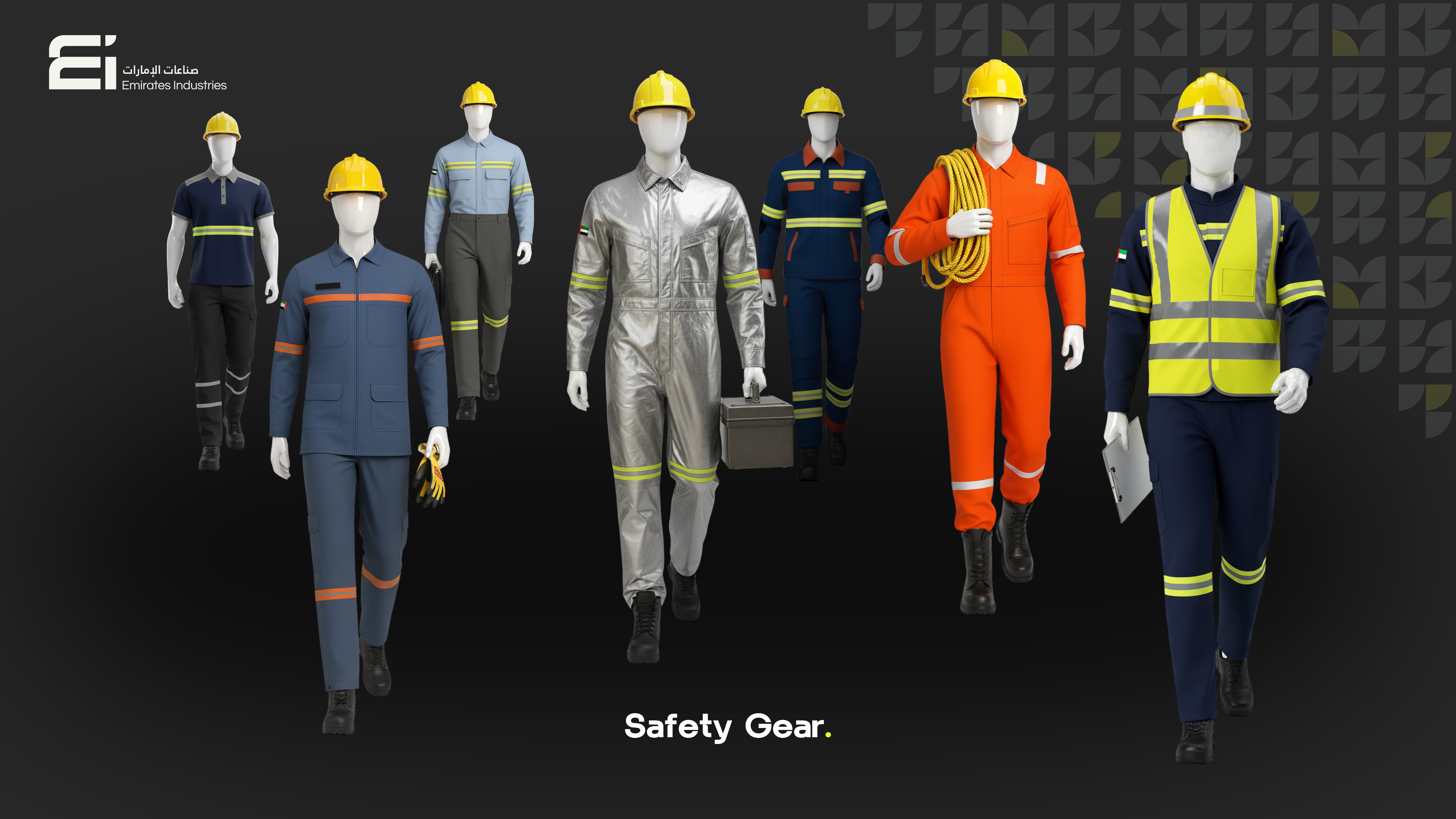
These uniforms are commonly used in industries where employees face physical risks, environmental hazards, or exposure to chemicals and machinery. Industrial workwear may include coveralls, high-visibility clothing, protective jackets, safety gloves, helmets, and specialized footwear.
The main purpose of industrial safety wear is to reduce the risk of workplace injuries and ensure employees can perform their duties safely while complying with occupational safety standards.
Why Industrial Uniforms & Safety Wear Are Important?
Industrial uniforms and safety gear serve multiple purposes beyond simply identifying employees. They are essential for maintaining safety, improving efficiency, and supporting workplace compliance.
Key reasons businesses invest in industrial safety wear include:
- Protection from workplace hazards such as chemicals, sparks, dust, and heavy equipment.
- Improved worker safety by reducing the risk of injuries and accidents.
- Compliance with workplace safety regulations and industry standards.
- Enhanced visibility for workers operating in low-light or high-traffic environments.
- Professional appearance and brand identity through standardized uniforms.
- Improved employee confidence and productivity in demanding work conditions.
When properly designed and implemented, industrial uniforms contribute significantly to workplace safety and operational reliability.
Types of Industrial Uniforms & Safety Wear
Industrial workplaces require different forms of protective clothing depending on the nature of the job, workplace hazards, and environmental conditions. From heavy manufacturing to construction sites and cold-storage facilities, specialized uniforms help ensure worker safety, comfort, and productivity.
Below are some of the most commonly used types of industrial uniforms and safety wear across various industries:
-
Coveralls and Overalls
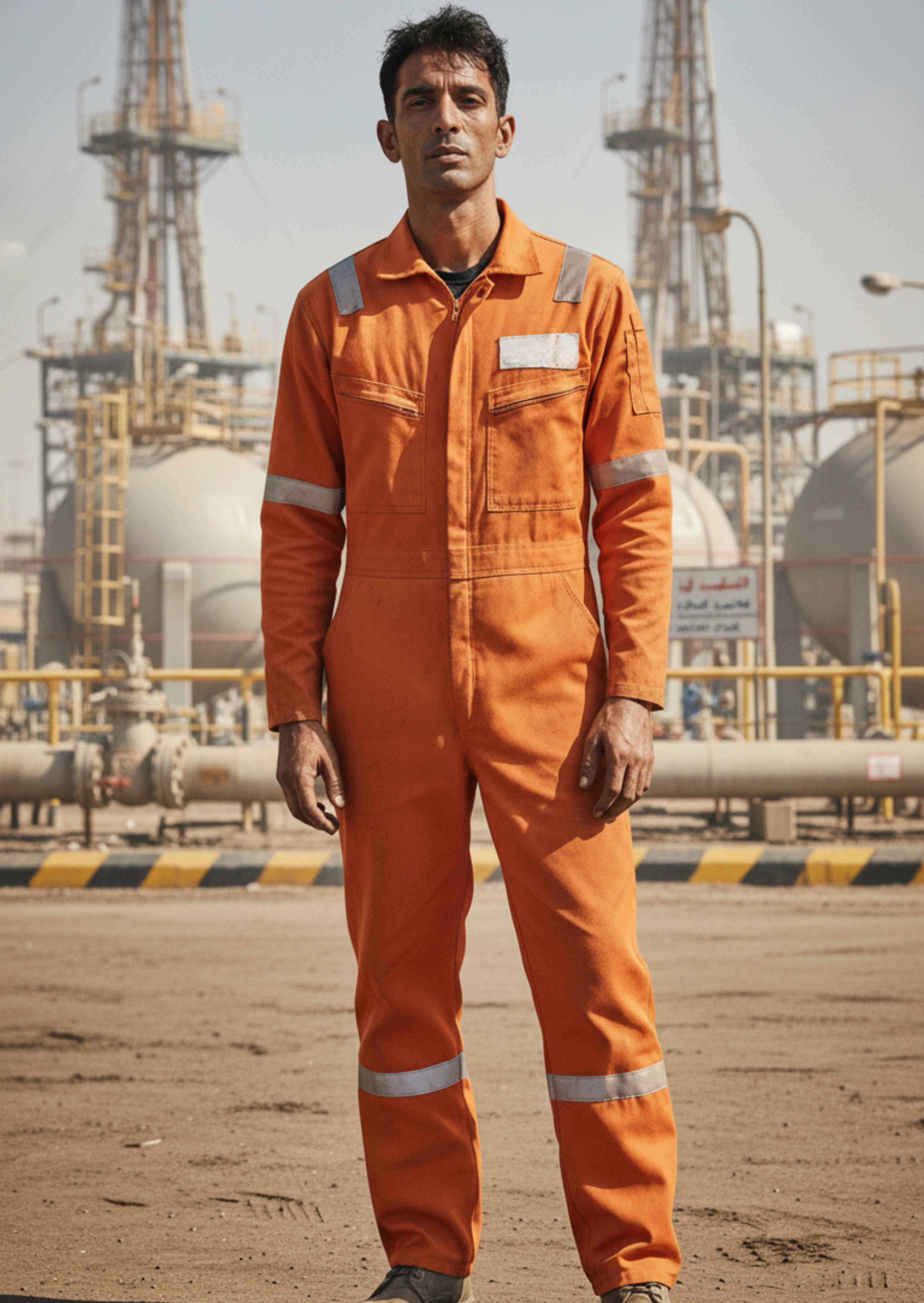
Coveralls and overalls are full-body garments designed to protect workers from dust, oil, grease, and other workplace contaminants. These one-piece uniforms are widely used in manufacturing plants, automotive workshops, maintenance operations, and construction sites. They provide extended coverage for the torso, arms, and legs, reducing the risk of exposure to workplace hazards.
-
High-Visibility Safety Clothing
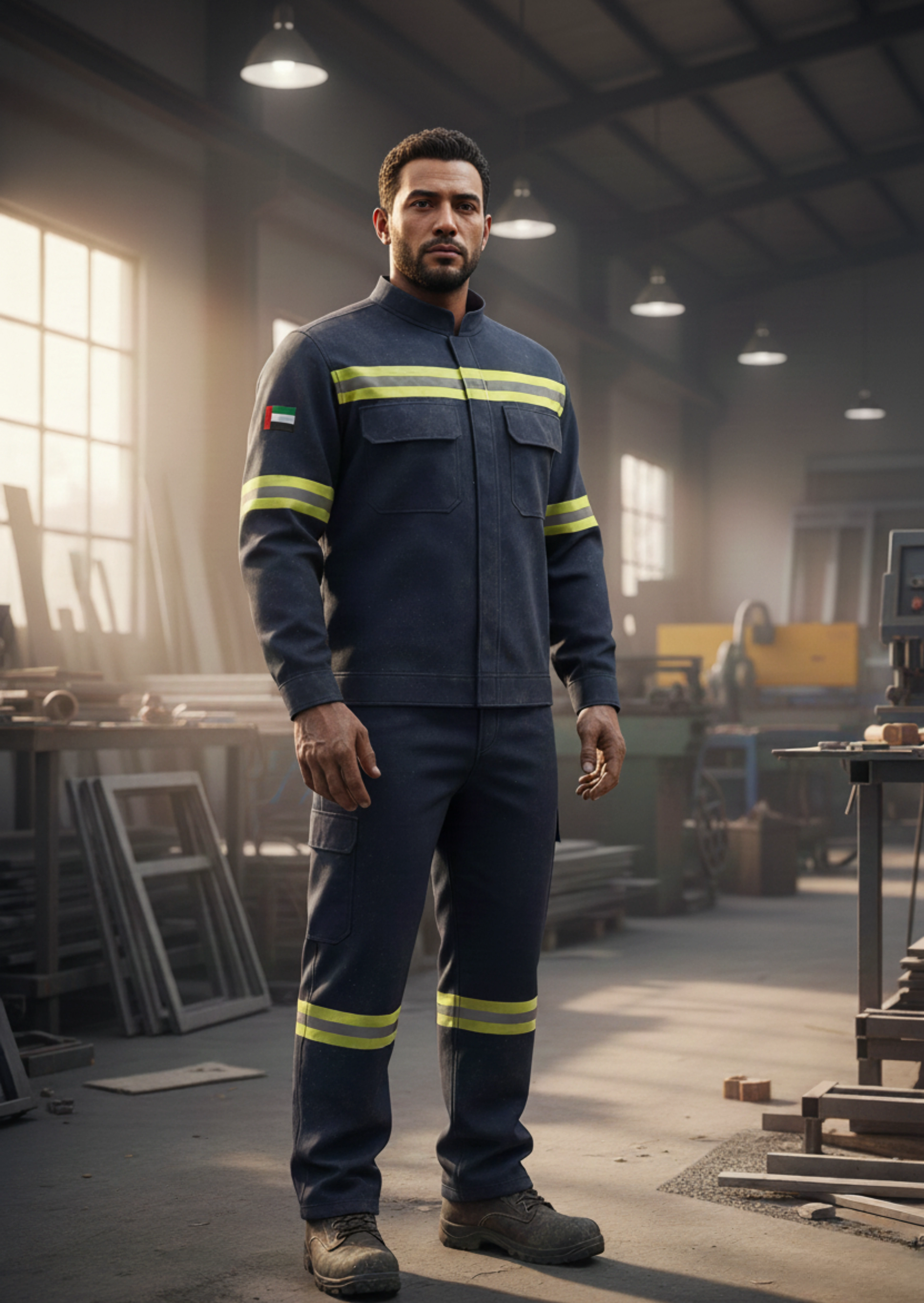
High-visibility clothing is essential for workers operating in environments where visibility is critical. These garments are usually made with bright fluorescent colors and reflective strips that make workers easily noticeable in low-light conditions or busy work areas. Hi-vis jackets, vests, and trousers are commonly used in road construction, logistics operations, airports, and large industrial facilities.
-
Flame-Resistant Protective Clothing
Flame-resistant (FR) garments are specially engineered to protect workers from heat, sparks, and potential fire hazards. These uniforms are commonly used in industries such as oil and gas, welding, electrical maintenance, and chemical processing. The materials used in FR clothing are designed to resist ignition and reduce the spread of flames, helping protect workers from serious injuries.
-
Industrial Work Shirts and Pants
Durable work shirts and industrial pants form the foundation of everyday workwear in many industries. These garments are typically made from strong cotton or polyester blends that can withstand frequent washing and demanding work conditions. Features such as reinforced stitching, multiple utility pockets, and flexible designs help workers move comfortably while performing physically intensive tasks.
-
Chemical-Resistant Protective Clothing
Certain industries involve exposure to hazardous substances such as chemicals, acids, or solvents. In such environments, workers require specialized protective garments designed to prevent harmful materials from contacting the skin. Chemical-resistant suits, aprons, gloves, and protective clothing help shield workers from spills and chemical exposure in laboratories, manufacturing plants, and chemical facilities.
-
Anti-Static and ESD Clothing
Electrostatic discharge (ESD) can damage sensitive electronic components and equipment. To prevent this risk, workers in electronics manufacturing, semiconductor production, and technology industries wear anti-static or ESD clothing. These garments are designed with conductive fibers that reduce static buildup and help maintain a controlled working environment.
-
Thermal and Cold Storage Protective Gear
Employees working in extremely cold environments such as refrigerated warehouses or cold storage facilities require insulated clothing to maintain body warmth and safety. Thermal jackets, insulated coveralls, gloves, and protective footwear are designed to protect workers from cold temperatures while allowing them to perform their tasks efficiently.
-
Industrial Safety Footwear
Proper footwear is an essential component of industrial safety gear. Safety shoes and boots are designed to protect workers from heavy objects, sharp materials, and slippery surfaces. Many industrial safety boots include steel or composite toe protection, slip-resistant soles, and electrical hazard resistance to ensure maximum protection in hazardous environments.
-
Hand and Head Protection
In addition to uniforms, workers often require protective equipment for their hands and head. Industrial gloves are available in various materials such as leather, cut-resistant fabrics, and heat-resistant materials to suit different applications. Hard hats and protective helmets are also widely used in construction, engineering, and industrial sites to protect workers from falling objects and impact hazards.
Key Features of High-Quality Industrial Workwear
High-quality industrial uniforms are designed to balance protection, durability, and comfort. Businesses should consider several key features when selecting industrial safety clothing.
Important features include:
- Durable fabrics capable of withstanding heavy industrial use.
- Breathable fabrics that help maintain comfort during extended working hours.
- Reinforced seams and durable stitching help industrial uniforms withstand heavy use over time.
- Ergonomic design that allows ease of movement.
- Weather-resistant or flame-resistant coatings depending on industry requirements.
- Reflective strips or bright safety colors: Help improve visibility in hazardous work environments.
These features ensure that workers remain protected while maintaining productivity and comfort during their daily tasks.
Industries Require Specialised Uniforms & Safety Wear
Various industries rely on industrial uniforms and safety wear to protect employees from workplace hazards and maintain safety standards. Different work environments require specialized protective clothing designed to handle specific risks.
- Construction and Engineering: Workers on construction sites require high-visibility clothing, protective helmets, and durable uniforms to stay safe around heavy equipment and challenging working conditions.
- Oil, Gas, and Petrochemical Industries: These sectors require flame-resistant and anti-static clothing to protect workers from fire hazards, sparks, and exposure to hazardous materials.
- Manufacturing and Industrial Production: Factory workers often wear durable coveralls and workwear designed to provide protection from machinery, heat, and chemical exposure.
- Logistics and Warehousing: High-visibility uniforms and comfortable workwear help workers remain visible and safe in busy warehouse and transportation environments.
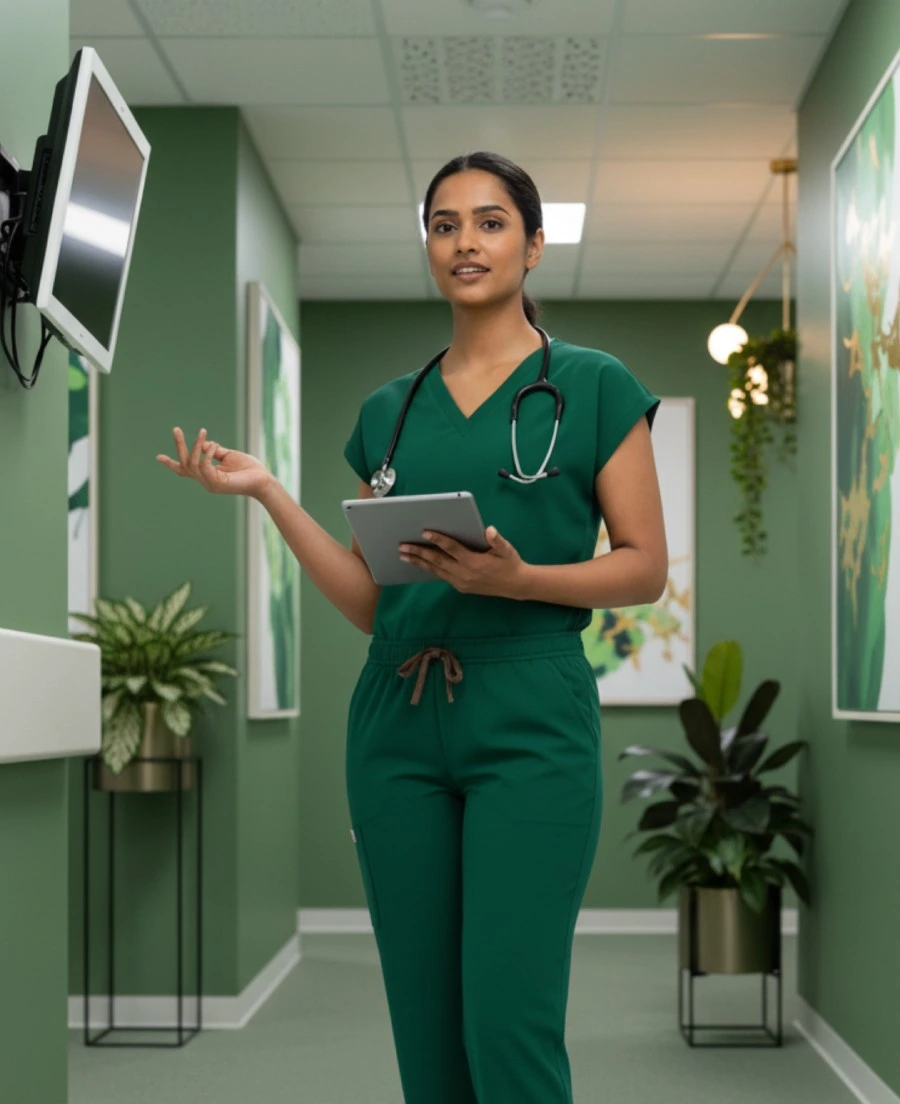
- Healthcare and Medical Facilities: Medical staff use uniforms such as scrubs and lab coats to maintain hygiene standards and ensure easy identification.
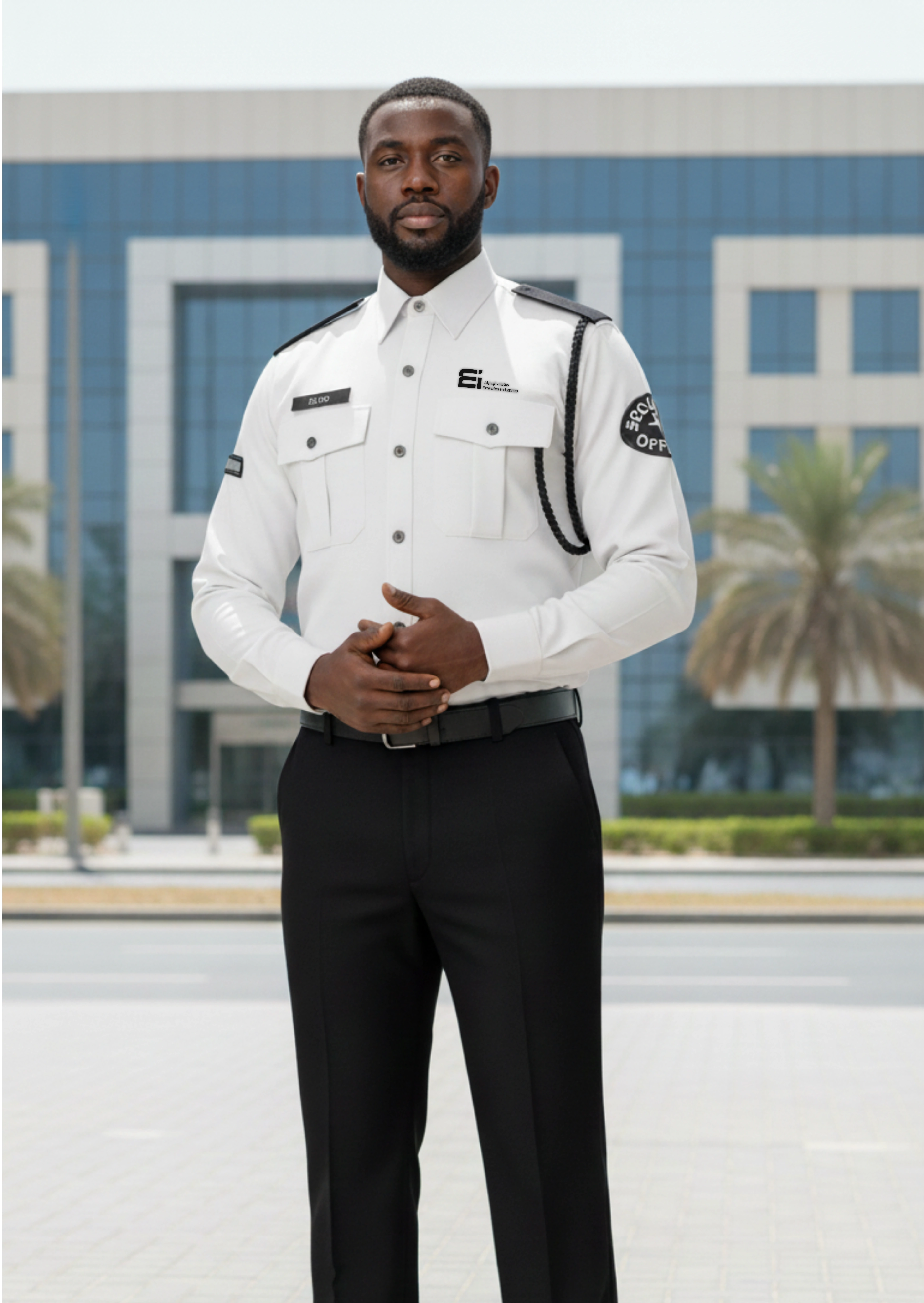
- Security and Public Services: Security personnel, firefighters, and sanitation workers rely on durable uniforms and protective gear designed for visibility and safety in demanding environments.
Materials Used in Industrial Uniforms & Safety Wears
The materials used in industrial workwear play a crucial role in determining durability, comfort, and safety performance.
Common fabrics used in industrial uniforms include:
- Cotton Blends: Breathable and comfortable for general work environments.
- Polyester Fabrics: Durable and resistant to wrinkles and shrinkage.
- Flame-Resistant Materials: Designed for high-temperature environments.
- Anti-Static Fabrics: Used in industries where static electricity poses a risk.
- Water-resistant materials: Ideal for work in outdoor and damp environments.
Selecting the right material ensures workers remain protected while maintaining comfort during long work hours.
Customization Options Offered by Customized Uniform Suppliers in Dubai
Modern industrial uniforms are most effective when they are designed to match the practical needs of workers and the operational requirements of each organization. Leading customized uniform suppliers in Dubai provide tailored solutions that combine safety, comfort, and professional branding.
Some of the most valuable customization features businesses look for include:
- Company Branding and Identification
Uniforms can include embroidered logos, printed company names, or role identification to maintain brand visibility and professional appearance.
- Department-Based Color Coding
Different colors or trim variations can help easily distinguish departments, teams, or job functions within large industrial operations.
- Functional Storage Options
Additional pockets or tool loops can be integrated into uniforms to allow workers to carry essential tools and equipment conveniently.
- Reinforced Protection Areas
Reinforced panels around high-stress areas such as knees, elbows, and shoulders can improve durability for workers performing physically demanding tasks.
- Adjustable Closures and Safety Features
Features such as Velcro fastenings, secure buttons, or zipper placements can be designed to suit specific job roles and workplace safety requirements.
By working with experienced suppliers who offer customization capabilities, businesses can create uniforms that not only protect workers but also improve comfort, functionality, and brand identity in the workplace.
Cost Factors to Consider When Investing in Industrial Uniforms
Industrial uniforms and safety wear should be viewed as a long-term investment rather than just a one-time purchase. Understanding the overall cost involved helps businesses plan better and manage uniform programs more efficiently.
Initial Expenses
- Cost per uniform or garment
- Shipping and distribution charges
- Customization or branding costs
Ongoing Operational Costs
- Laundry or professional cleaning services
- Periodic replacement of worn uniforms
- Storage and inventory management
Tips to Optimize Uniform Costs
- Choose durable fabrics that last longer in demanding work environments
- Partner with reliable local suppliers to reduce delivery and logistics expenses
- Establish proper care and maintenance practices to extend garment lifespan
Safety Standards and Compliance for Industrial Workwear
Industrial uniforms and safety wear must comply with recognized safety regulations to ensure proper protection in hazardous workplaces. These standards help garments provide protection against risks such as heat, flames, chemicals, and low visibility while supporting workplace safety compliance.
International Safety Standards
Industrial workwear is often designed according to widely recognized global standards, including:
- ISO 11612 - Standard for protective clothing against heat and flame exposure.
- EN ISO 20471 - High-visibility clothing standards.
- NFPA 2112 - Requirements for flame-resistant garments.
- ASTM Standards - Testing methods for durability and performance of industrial textiles.
UAE and Regional Safety Regulations
Industrial uniforms used in the UAE must also follow local safety requirements, such as:
- UAE Ministry of Human Resources (MOHRE) workplace safety regulations.
- Dubai Municipality safety guidelines for construction and industrial sites.
- Industry-specific safety policies in sectors such as oil and gas.
Reliable safety uniform suppliers typically provide documentation confirming fabric certification and compliance with applicable safety standards.
Benefits of Investing in Industrial Safety Wear
Investing in high-quality industrial uniforms and safety wear offers several benefits for businesses and employees.
These benefits include:
- Enhanced workplace safety by reducing the risk of accidents and injuries.
- Improved regulatory compliance with occupational safety standards.
- Higher productivity as employees feel safer and more comfortable.
- Professional corporate identity through standardized uniforms.
- Reduced long-term costs by preventing workplace accidents and equipment damage.
Providing proper safety gear demonstrates a company’s commitment to worker well-being and responsible operations.
How to Choose the Right Industrial Safety Uniform Suppliers UAE?
Choosing reliable safety uniform suppliers UAE is essential for businesses that want to maintain workplace safety and meet industry standards. A dependable supplier ensures that uniforms are durable, compliant with safety requirements, and suitable for demanding industrial environments.
When selecting safety uniform suppliers in UAE, businesses should consider the following factors:
- Industry Experience: Suppliers with experience in industrial workwear understand the safety requirements of different sectors.
- Customization Options: The ability to design uniforms based on specific job roles, hazards, and company branding.
- Quality Materials: High-quality fabrics and strong stitching ensure uniforms can withstand heavy daily use.
- Safety Compliance: Uniforms should meet recognized workplace safety regulations and protective standards.
- Production Capacity and Delivery: Reliable suppliers should be able to handle bulk orders and deliver uniforms on time.
Working with professional safety uniform suppliers helps businesses provide employees with protective clothing that improves safety, comfort, and overall workplace efficiency.
Why Choose Emirates Industries LLC for Industrial Uniforms & Safety Wear in Dubai
Businesses looking for reliable industrial uniforms and safety wear can partner with Emirates Industries, one of the UAE’s well-established uniform manufacturers based in Dubai. With decades of experience and advanced manufacturing capabilities, the company delivers high-quality uniform solutions for multiple industries.
Key reasons to choose Emirates Industries include:
- 48+ Years of Industry Experience: Trusted by organizations across aviation, healthcare, hospitality, oil & gas, education, retail, security, and government sectors.
- Designed & Manufactured in the UAE: All uniforms are created and manufactured at the company’s Al Quoz facility in Dubai, ensuring strong quality control and efficient delivery timelines.
- In-House Design & Development: An in-house design team creates uniforms customized to specific job roles, brand requirements, and workplace conditions.
- Advanced Manufacturing Facility: A 32,000 sq. ft. production facility with hundreds of sewing machines and skilled employees capable of producing thousands of garments daily.
- Customized Uniform Solutions: From fabric selection and technical trims to branding and fit adjustments, uniforms are designed for durability, comfort, and performance.
With strong manufacturing expertise and a commitment to quality, Emirates Industries helps businesses provide uniforms that enhance workplace safety, brand identity, and operational efficiency.
Emerging Trends in Industrial Uniforms & Safety Wear
Industrial workwear continues to evolve as new technologies and sustainability practices reshape how safety uniforms are designed and manufactured. Modern organizations are increasingly looking for uniforms that combine safety, comfort, and advanced functionality.
Some of the key trends influencing the future of industrial uniforms include:
- Smart Fabric Technology: Advanced textiles are being developed with integrated technologies that can monitor factors such as temperature, worker fatigue, and environmental conditions. These innovations help improve worker safety and allow organizations to better monitor workplace conditions.
- Digital Tracking and Inventory Management: Technologies such as RFID tags and digital tracking systems are increasingly used in uniforms to help companies manage inventory, track uniform distribution, and streamline uniform management programs.
- Sustainable and Eco-Friendly Materials: Many manufacturers are adopting environmentally responsible practices, including the use of recycled fabrics, sustainable materials, and production methods that reduce water consumption and waste.
- Lightweight High-Performance Fabrics: New-generation workwear fabrics are designed to provide strong protection while remaining lightweight and breathable. These materials help workers stay comfortable and productive, especially in hot or demanding industrial environments.
- Improved Fit and Inclusive Design: Modern industrial uniforms are being designed with better sizing options and ergonomic cuts to accommodate different body types. Well-fitting uniforms improve mobility, comfort, and overall workplace safety.
Frequently Asked Questions
1. What are industrial uniforms?
Industrial uniforms are protective clothing designed for workers in industries such as manufacturing, construction, logistics, and maintenance. These garments protect employees from workplace hazards while ensuring comfort and durability.
2. What is the difference between workwear and safety wear?
Workwear refers to clothing used during work activities, while safety wear specifically includes protective garments and equipment designed to protect workers from hazards.
3. Which industries require industrial safety uniforms?
Industries such as construction, oil and gas, manufacturing, logistics, chemical processing, and maintenance commonly require industrial safety uniforms.
4. What materials are used in industrial uniforms?
Industrial uniforms are often made from cotton blends, polyester fabrics, flame-resistant materials, anti-static fabrics, and waterproof materials depending on the safety requirements.
5. Why are high-visibility uniforms important?
High-visibility clothing improves worker safety by making employees easier to see in environments with moving vehicles, machinery, or low lighting conditions.
Partner with Reliable Industrial Uniforms & Safety Wear Suppliers UAE
Industrial uniforms and safety wear play a vital role in protecting employees and maintaining safe operations across various industries. By investing in high-quality protective clothing, businesses can reduce workplace risks, improve compliance with safety regulations, and create safer working environments.
Choosing the right uniforms involves understanding workplace hazards, selecting durable materials, and working with experienced manufacturers who can deliver reliable solutions.
With decades of manufacturing expertise, Emirates Industries LLC provides high-quality industrial uniforms designed for durability, comfort, and workplace safety. Organizations looking for dependable uniform solutions can rely on Emirates Industries for customized workwear that supports safety, professionalism, and operational efficiency.
 قطاع المؤسسات التعليمية


 قطاع الرعاية الصحية

 قطاع الضيافة


 قطاع النفط والغاز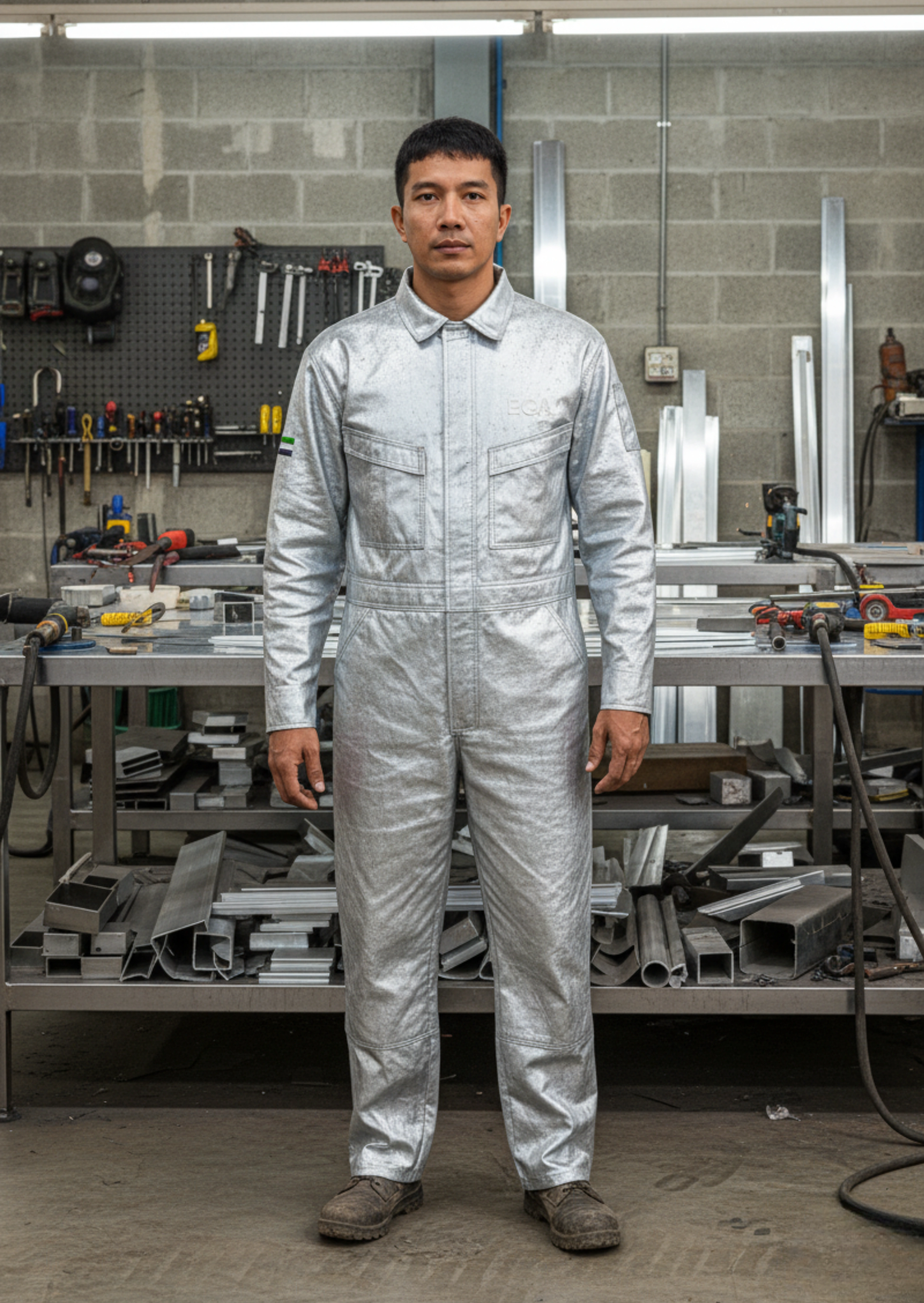
 القطاع الحكومي