12 NOV 2026
School uniforms are worn regularly throughout the academic year, often enduring long school days, outdoor activities, sports, frequent washing and everyday wear. Choosing durable materials can help parents reduce replacement costs while ensuring children remain comfortable at school.
However, not all school uniform fabrics perform equally. Some materials are known for their strength and resistance to creasing, while others are valued for their softness, breathability and comfort. The best choice depends on the garment, the child's daily activities, the local climate and the school's uniform requirements.
In this guide, we explore common school uniform fabrics, the factors that affect their durability and practical ways to help uniforms last longer.
Durability is an important consideration when selecting school uniforms because children wear these garments repeatedly throughout the school year. Shirts, trousers, skirts, pinafores and sportswear may experience considerable friction, stretching and frequent washing.
Choosing good-quality materials can offer several benefits:
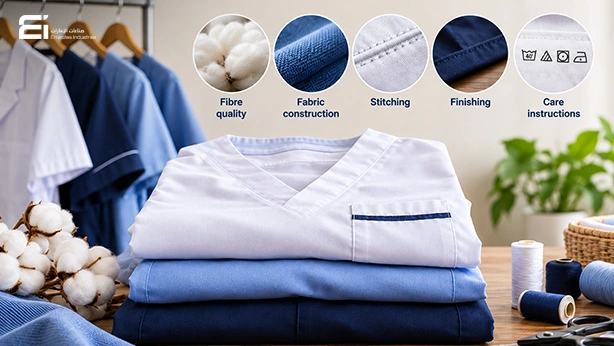
Durability should not be judged by fabric thickness alone. A uniform's durability depends on fibre quality, fabric construction, stitching, finishing and the care methods used.
Different materials offer different advantages. Understanding their characteristics can help parents and schools choose suitable options for everyday uniforms.
Polyester is a synthetic fibre commonly used in school uniform fabrics. It is valued for its resistance to wrinkles, relatively quick drying and ability to retain its shape.
Polyester fabrics can be suitable for trousers, skirts, jackets and certain sportswear garments. They may also be blended with other fibres to balance durability and comfort.
Advantages:
Things to consider: Polyester may feel less breathable than some other fabrics, depending on the construction and blend. The quality of the fabric and garment still matters, so polyester content alone does not guarantee long-lasting performance.
2. Cotton: Comfort and Breathability
Cotton is a natural material valued for its soft texture and ability to allow air to circulate. It is commonly used for school shirts and other garments worn directly against the skin.
Cotton can be a practical choice for children who need comfortable clothing throughout the school day. However, its durability varies according to fibre quality, fabric construction and garment finishing.
Advantages:
Things to consider: Cotton may wrinkle more readily than polyester and can shrink if washed or dried incorrectly. Frequent washing can also impact a uniform's colour and shape, depending on the fabric type and how it is cared for.
Cotton-polyester blends bring together the properties of both fibres. Cotton can contribute softness and breathability, while polyester can help improve wrinkle resistance, shape retention and drying time.
The effectiveness of blended fabrics varies based on the proportion of each fibre, the fabric's construction and its overall quality.
Advantages:
Things to consider: Not every blend performs the same way. Check the fabric composition, stitching, feel and care instructions before deciding whether it is suitable for a particular uniform.
Twill describes a type of fabric weave rather than a fibre. It is recognised by its characteristic diagonal pattern and is commonly used in garments that need a structured finish.
Depending on the fibres and construction, twill fabrics can be suitable for school trousers, skirts, shorts and other garments that experience frequent movement and friction.
Advantages:
Things to consider: Twill can be made from cotton, polyester or blended fibres, so its performance depends on the actual material and construction rather than the weave alone.
Sports uniforms and physical education clothing have different requirements from regular classroom garments. These items may need to manage moisture, allow movement and withstand repeated washing.
Polyester-based performance fabrics are commonly used for sportswear because they can dry quickly and offer useful shape retention. However, durability depends on the fabric's construction, seams, finishing and intended use.
When choosing sports uniforms, look for materials that allow comfortable movement, suit the activity and can be maintained according to the manufacturer's instructions.
Even a suitable fabric may wear out quickly if the garment is poorly constructed or incorrectly maintained. Consider these factors when assessing a uniform's quality.
Look beyond the fibre name on the label.The fabric's density, yarn quality, construction and finishing all influence its overall performance. A well-made garment using an appropriate fabric may last longer than a poorly made garment of a similar composition.
Check the stitching around the shoulders, side seams, pockets, waistbands and other areas that experience frequent movement. Even stitching and secure seams can help reduce premature damage.
Reinforced stitching may be particularly useful in areas subject to repeated pulling or friction, such as trouser pockets and knee areas.
School uniforms often need to maintain a consistent appearance after frequent washing. Fabric quality, dyeing and finishing can influence how well colours hold over time.
Follow the garment's washing instructions and avoid excessive heat or unsuitable cleaning products that may contribute to fading.
Pilling occurs when small fibre balls develop on the surface of a fabric. Abrasion refers to wear caused by repeated rubbing against other surfaces.
Children's uniforms may experience friction around the elbows, knees, thighs, cuffs and backpack contact points. Choosing suitable fabric construction and following proper care instructions can help manage this type of wear.
A uniform that is too tight may experience extra strain around the seams, while an excessively loose garment may be uncomfortable or unsuitable for school activities.
Choosing the correct size helps children move comfortably and may reduce unnecessary strain on the garment. For guidance, read our school uniform sizing guide to learn how to measure a child and assess the fit of different uniform items.
Choosing a long-lasting fabric is just one factor in increasing a uniform's lifespan. Proper care and everyday handling are equally important.
Always follow the garment's recommended washing and drying guidelines. Different fabrics and blends may require different care routines. Using the correct washing temperature and drying method helps maintain the fabric's quality, shape and colour.
Avoid overloading the washing machine, as this may prevent garments from being cleaned properly. Separate colours when necessary and use a suitable detergent. Turn garments inside out when appropriate to help reduce surface friction and fading.
High washing, drying or ironing temperatures may damage some fabrics, cause shrinkage or affect their finish. Follow the temperature settings specified on the garment's care label.
Loose buttons, small tears and unravelled seams can become larger problems if ignored. Fixing small damages quickly can help extend the uniform's usable life.
Keeping multiple uniform sets allows you to rotate them, reducing wear on each garment. Allowing garments to be washed and dried properly between uses can also support better maintenance.
Make sure uniforms are thoroughly cleaned and fully dried before putting them away. Use suitable hangers or folded storage to help garments retain their shape and remain ready for use.
Before purchasing school uniforms, consider the following checklist:
Not necessarily. Price alone does not determine durability. A higher-priced uniform may use better materials or construction, but this should be assessed rather than assumed.
Compare the fabric composition, stitching, finishing, fit and care requirements. Consider how frequently the garment will be worn and whether it is suitable for the child's daily activities.
A uniform that offers a good balance of quality, comfort, maintenance and price may provide better value over time than one selected on price or fabric thickness alone.
Which fabric is best for long-lasting school uniforms?
There is no single best fabric for every uniform. Polyester and cotton-polyester blends can offer useful durability and shape retention, while good-quality cotton may be preferred for comfort and breathability. The most suitable choice depends on the garment, fabric construction and intended use.
Are cotton or polyester school uniforms more durable?
Polyester generally offers good wrinkle resistance and shape retention, while cotton is valued for softness and breathability. Actual durability depends on fibre quality, fabric construction, garment finishing and care. Comparing the complete garment is more useful than relying on fibre type alone.
Do cotton-polyester blends last longer?
Cotton-polyester blends can provide a practical balance of comfort, wrinkle resistance and shape retention. However, the blend ratio and manufacturing quality influence performance, so a blend is not automatically more durable than every pure-fibre fabric.
How can I prevent school uniforms from fading?
Follow the washing instructions, separate colours when necessary, avoid excessive heat and use suitable detergents. Proper washing and drying can help preserve a uniform's colour and appearance.
How often should school uniforms be replaced?
There is no fixed replacement schedule. Replace a uniform when it no longer fits properly, has damage that cannot be repaired, fails to meet school requirements or becomes unsuitable for comfortable daily use. Regular inspection can help identify wear before it becomes a bigger issue.
Durable school uniforms begin with choosing suitable materials, checking garment construction and following the correct care instructions. Cotton, polyester, blended fabrics and twill constructions each offer different benefits, so the right choice depends on the garment's purpose and expected use.
By considering fabric quality, stitching, fit and maintenance together, parents and schools can make more informed decisions and help uniforms remain comfortable and presentable for longer.
Explore our school uniform buying guide for more information on choosing school uniforms and the factors to consider before making a purchase.
 Schools
A school uniform is more than a dress code, it shapes behavior, unity, and discipline. Ei delivers well-fitted, breathable, and durable uniforms for students and staff alike. Designed with identity in mind and built to withstand the energy of young learners.



 Healthcare
In healthcare, movement is constant and hygiene is non-negotiable. Ei provides uniforms that are breathable, antibacterial, made for long hours on your feet. We ensure comfort without compromise so your team can focus on what matters: care



 Hospitality
From guest-facing roles to operational teams. With breathable fabrics, refined silhouettes, and easy-care design, we ensure your team feels confident and looks the part — day in, day out



 Oil & Gas
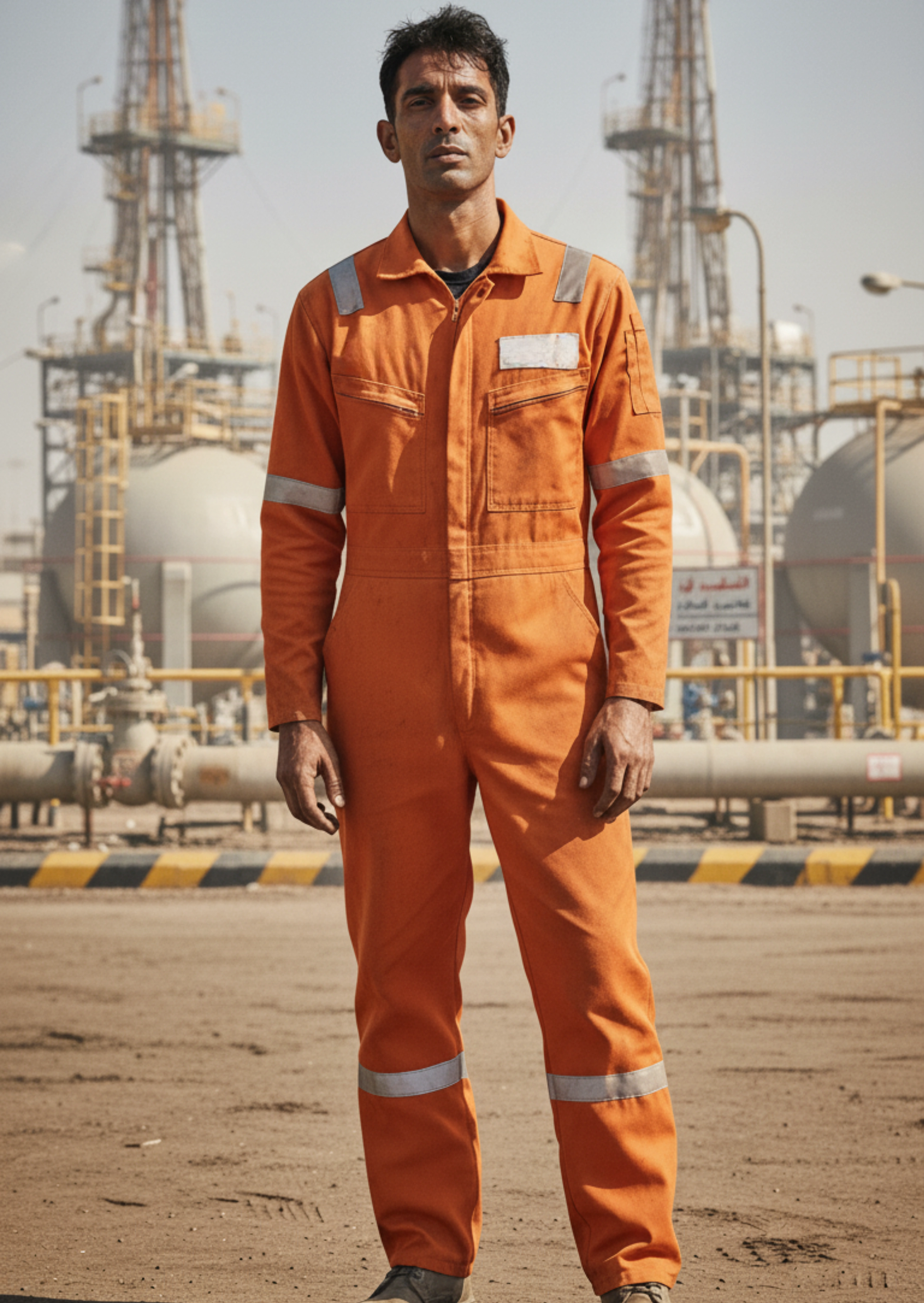
In oil and gas, failure isn’t an option. Ei delivers flame-resistant, anti-static, and durable uniforms engineered to meet strict safety regulations and harsh climate demands. Designed for long shifts, rough terrain, and critical tasks, our gear holds up where it matters most — in the field.
 Government
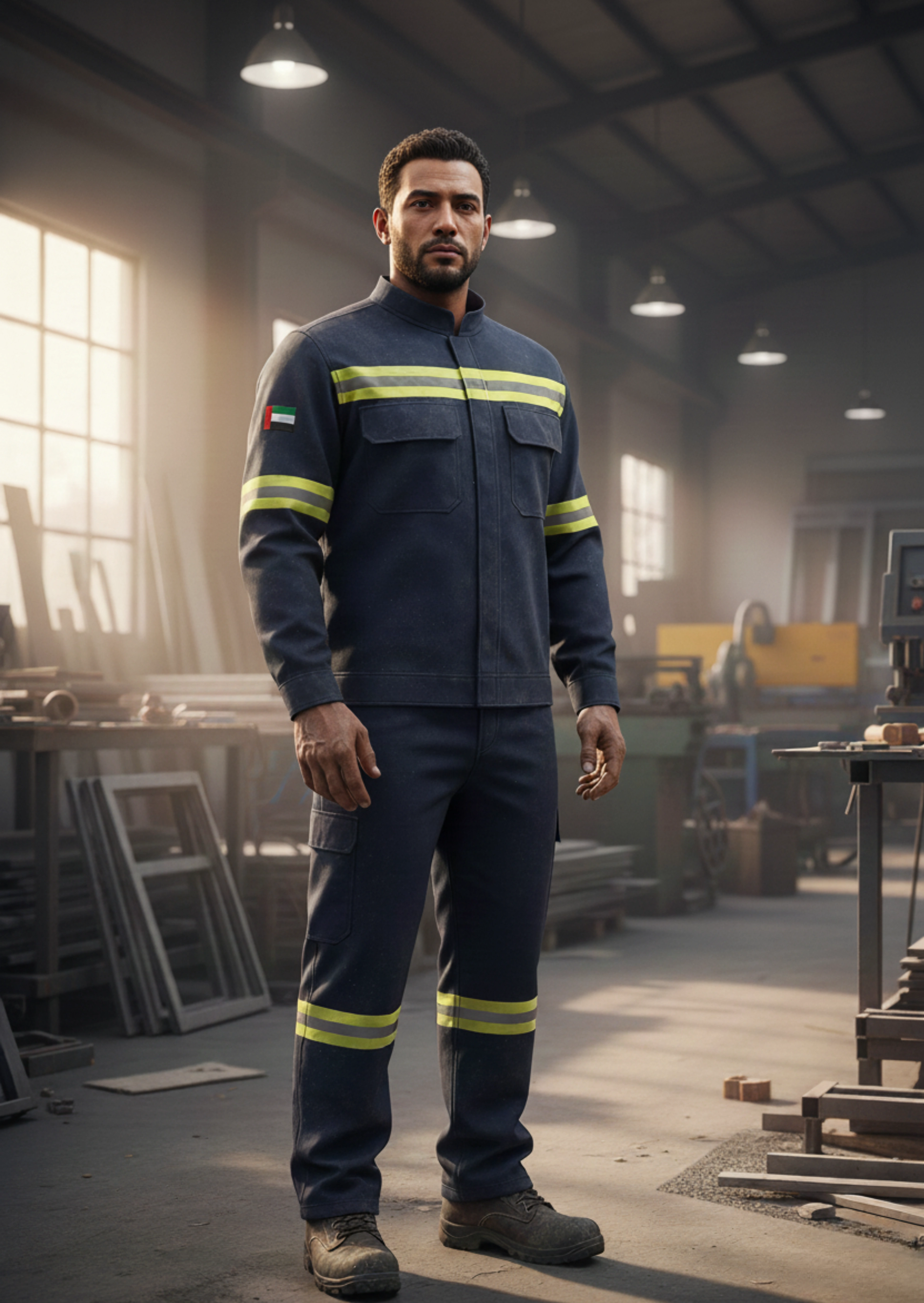
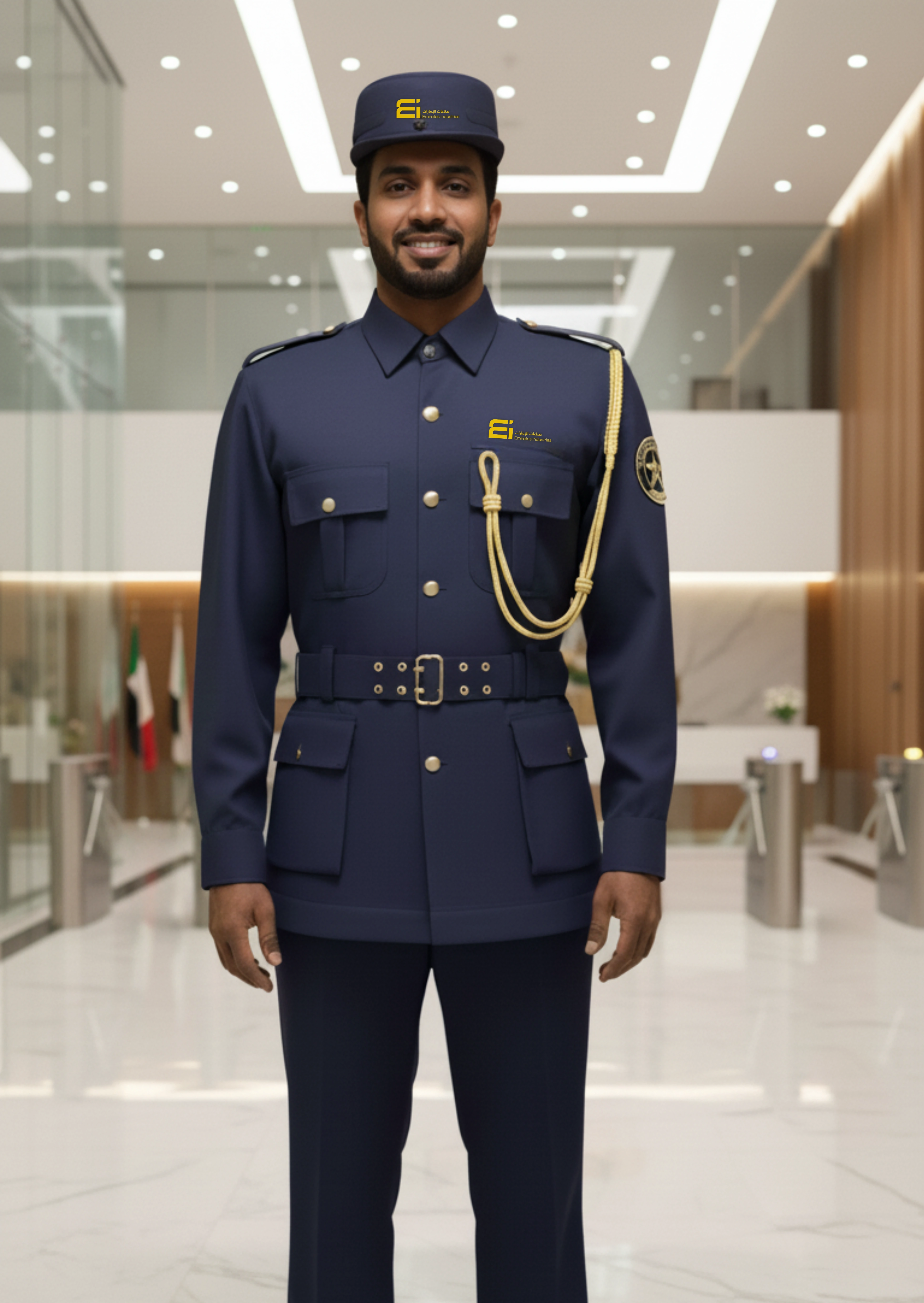
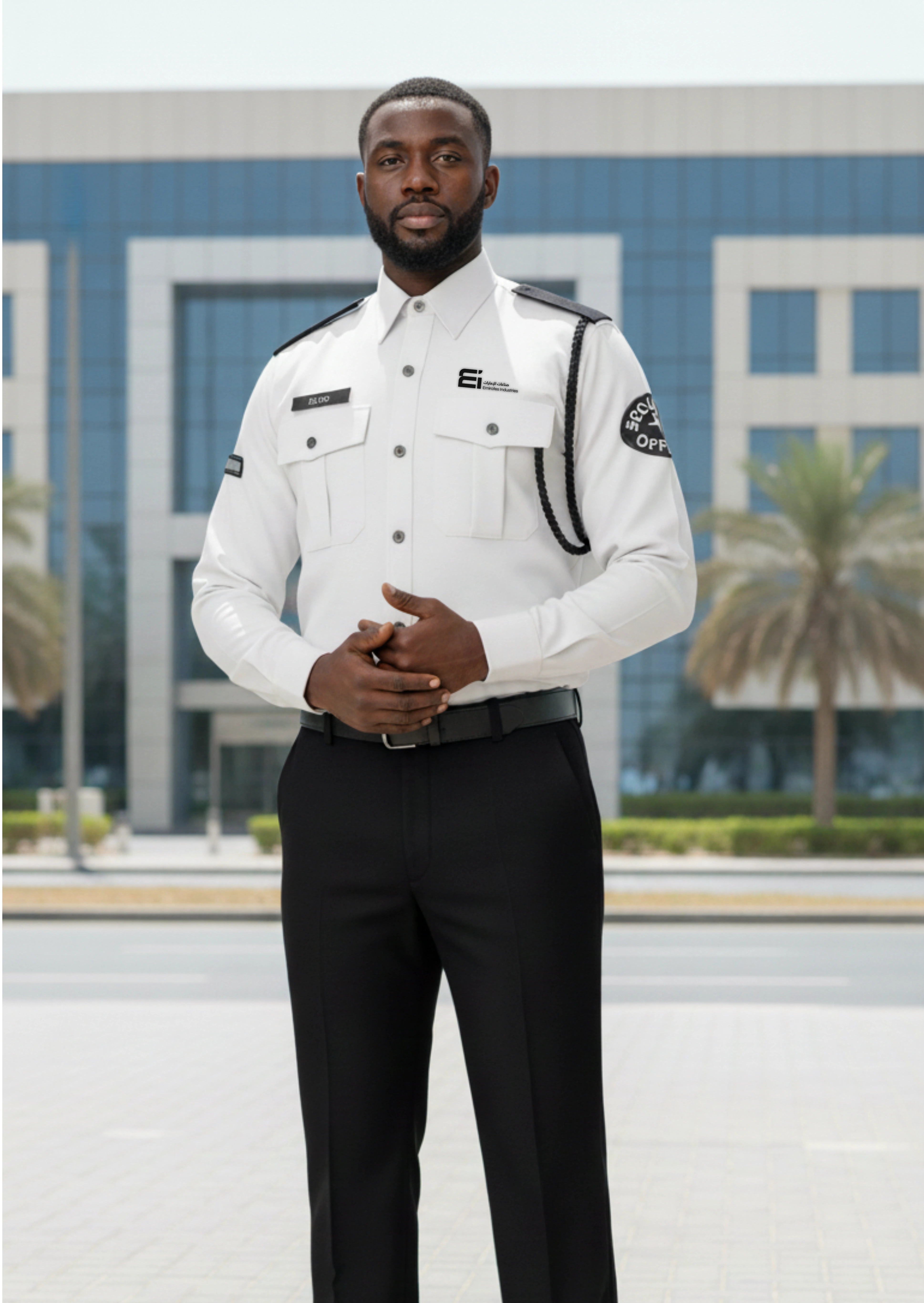
Public service uniforms carry the weight of representation. Ei creates clean, structured, regulation-compliant attire that reflects authority, reliability, and respect. We offer scalable solutions that uphold dignity in every detail.

The primary focus, supplying uniforms for students, staff, and administration.
Medical scrubs, lab coats, and PPE for hospitals and clinics