٠١ مارس ٢٠٢٦
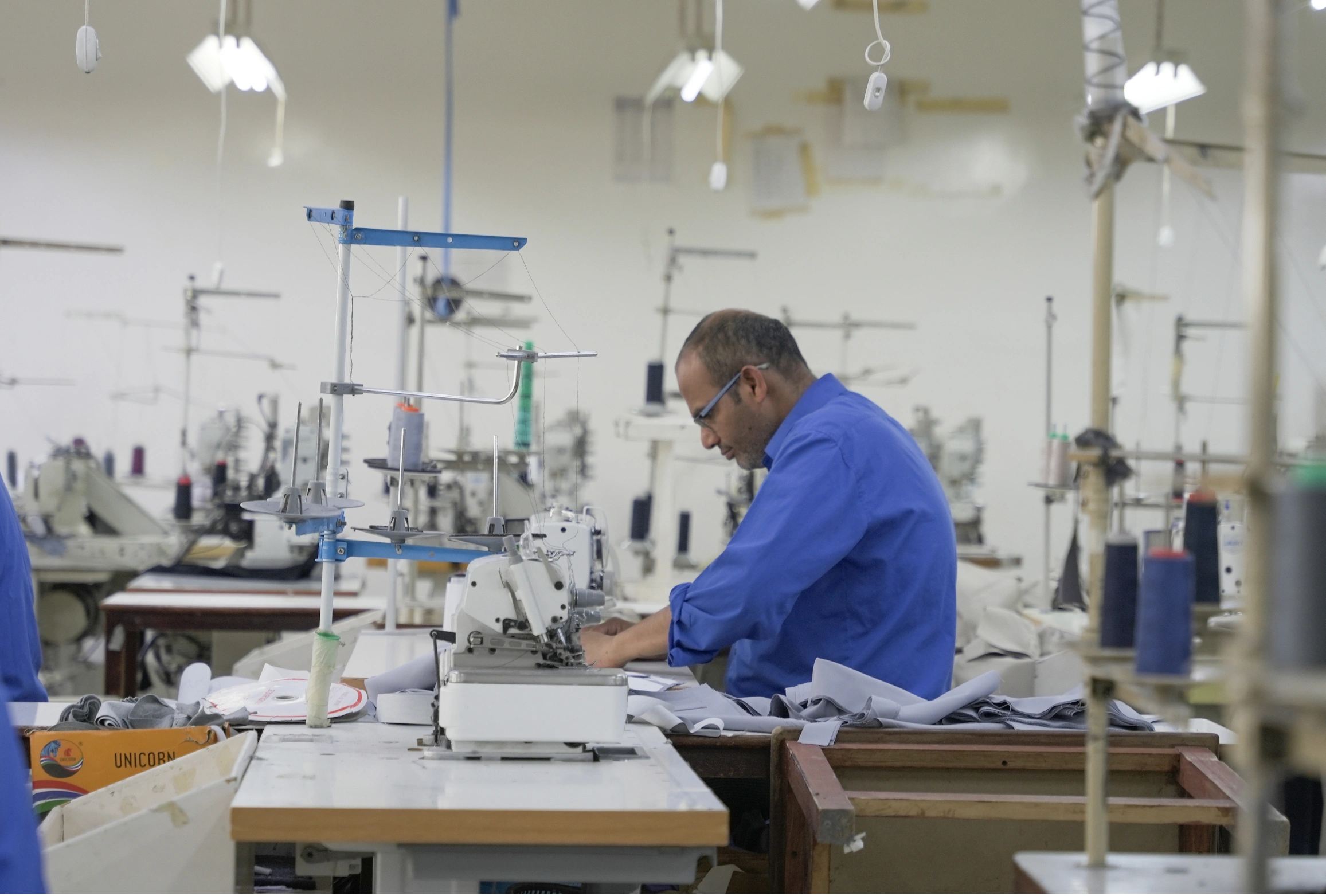
Uniforms play an essential role in shaping a company’s professional image, workplace safety, and employee comfort. Across the UAE, businesses in industries such as construction, healthcare, hospitality, manufacturing, education, and logistics rely on high-quality uniforms to maintain operational standards and brand identity.
However, selecting the right supplier is not just about finding a company that can stitch garments. A reliable uniform provider must understand safety regulations, climate conditions, fabric performance, and customization requirements. Choosing the wrong supplier often leads to uncomfortable clothing, poor durability, repeated replacement costs, and compliance risks.
This guide explains how to evaluate and choose the best uniform suppliers in the UAE so your business can receive durable, compliant, and comfortable workwear.
Uniforms are daily-use workwear. Employees may wear them for 8-12 hours in high temperatures, dusty environments, or physically demanding roles. Poorly manufactured uniforms can cause discomfort, reduced productivity, and even workplace hazards.
A professional supplier ensures:
The right partner does more than supply clothing - they support operational efficiency.
Many companies choose suppliers based only on price. This often leads to hidden costs.
Common mistakes include:
Low prices initially can result in higher long-term expenses.
Before finalizing a supplier, ask:
A professional supplier will confidently answer all.
Working with an experienced supplier provides:
A uniform program should be treated as a business investment rather than a simple purchase.
The UAE workplace environment includes:
Therefore, uniforms must balance safety, comfort, and durability.
When evaluating vendors, prioritize experience, reliability, and industry understanding rather than price alone. A dependable uniform supplier supports your company’s branding, employee well-being, and compliance needs.
Selecting the best uniform suppliers in the UAE requires careful evaluation of quality, safety compliance, customization capability, and long-term reliability. Businesses should request samples, review previous work, and ensure the supplier understands their industry requirements.
A trusted supplier becomes a long-term partner who helps maintain professional standards, employee comfort, and operational efficiency.
Companies seeking consistent and durable uniforms should always choose providers with proven experience and strong quality control processes. Investing in the right supplier today prevents repeated replacement costs and workplace issues in the future.
Typically every 6-12 months depending on work conditions and fabric durability.
Costs vary based on fabric, quantity, and branding, but bulk orders usually reduce pricing.
Breathable cotton-polyester blends and moisture-wicking materials work best.
Sectors such as construction, manufacturing, and oil & gas typically mandate protective workwear that meets safety standards.
Samples allow businesses to check fabric comfort, fitting, and durability before bulk production.
 قطاع المؤسسات التعليمية
إنه ليس مجرد زي مدرسي، بل زي يعزز الإنتماء والإنضباط. تقدم لكم EI زيأ مدرسيأ مريحا، بتفصيل مميز، قابل للتتنفس، ومتين لكل من الطلاب والكوادر التعليمية. زي المدارس في EI هوية واضحة، راحة تدوم، وزيّ يواكب طاقة التعلّم للمتعلمين.



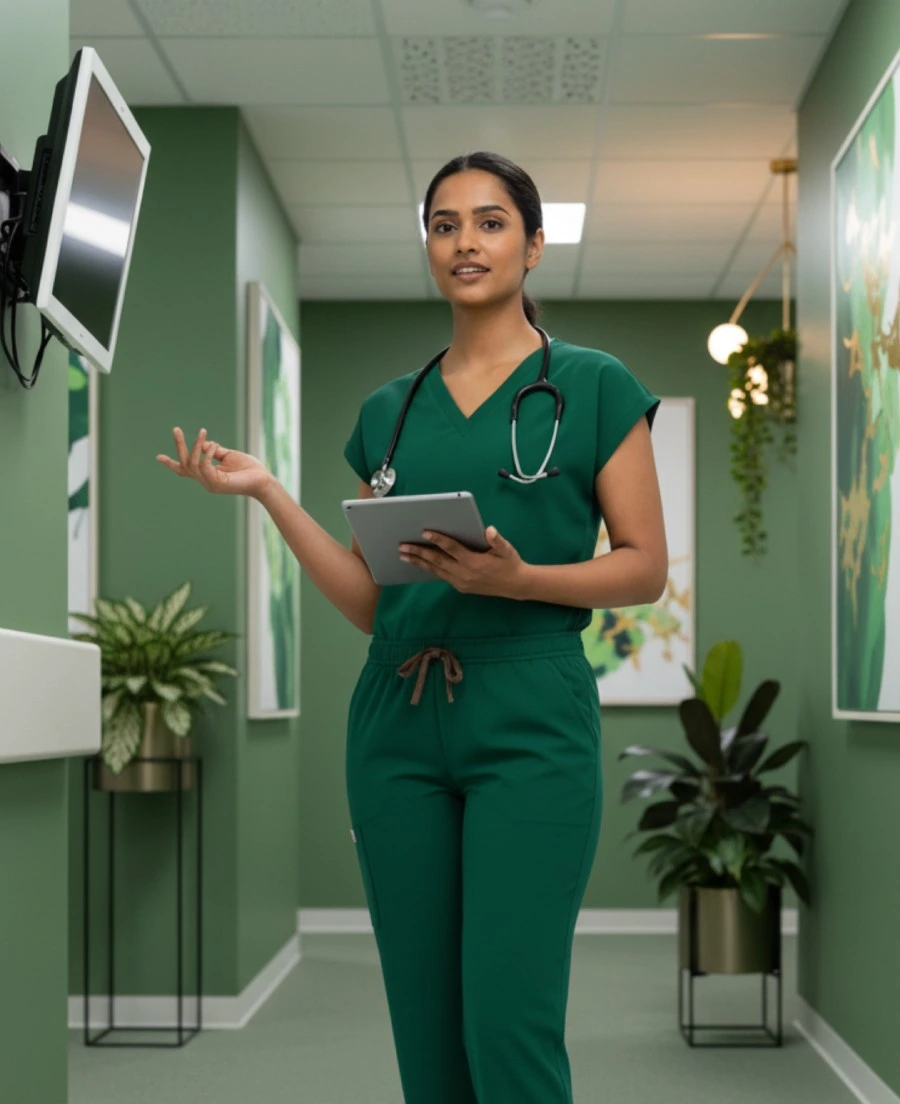
 قطاع الرعاية الصحية
في قطاع الرعاية الصحية، الحركة لاتتوقف والمعايير الصحية أولوية لا تقبل المساومة. توفر لكم EI أزياءا طبية مريحة، قابلة للتنفس، مضادة للبكتيريا، ومناسبة لساعات العمل الطويلة. نضمن راحتكم حتى يتمكن فريقكم من التركيز على العناية الطبية.


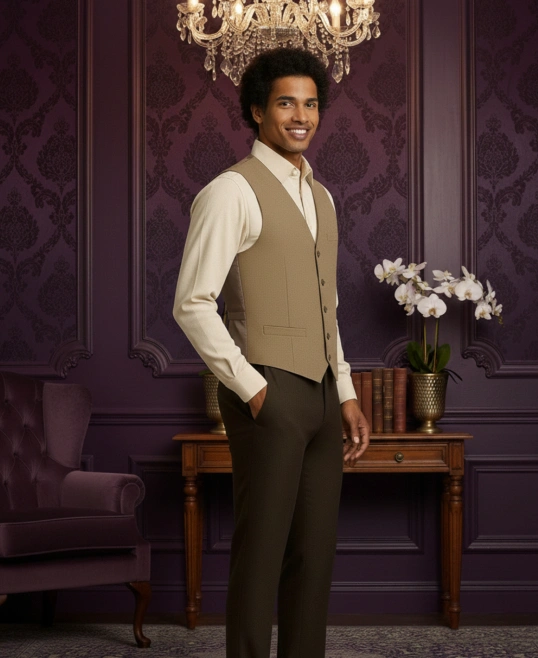
 قطاع الضيافة
من فرق إستقبال الضيوف إلى فرق العمليات. نوفر لكم أقمشة قابلة للتنفس، وتصاميم أنيقة سهلة العناية، كما نضمن أن يشعر فريقكم بالثقة ويبدو بمظهر مثالي — يومًا بعد يوم.
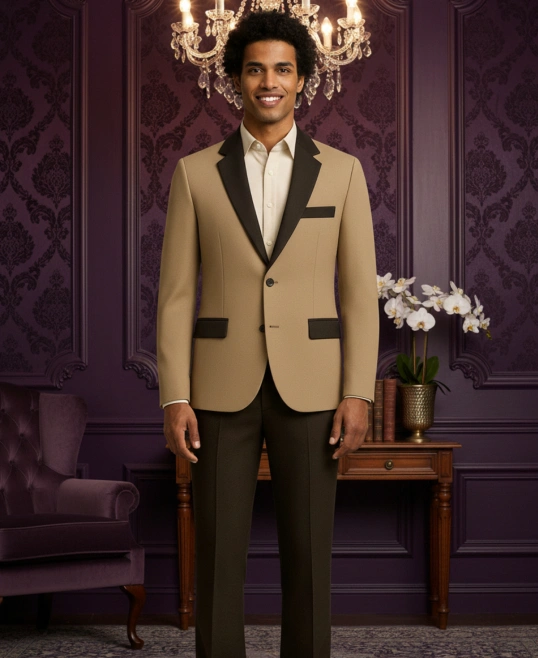
 قطاع النفط والغاز
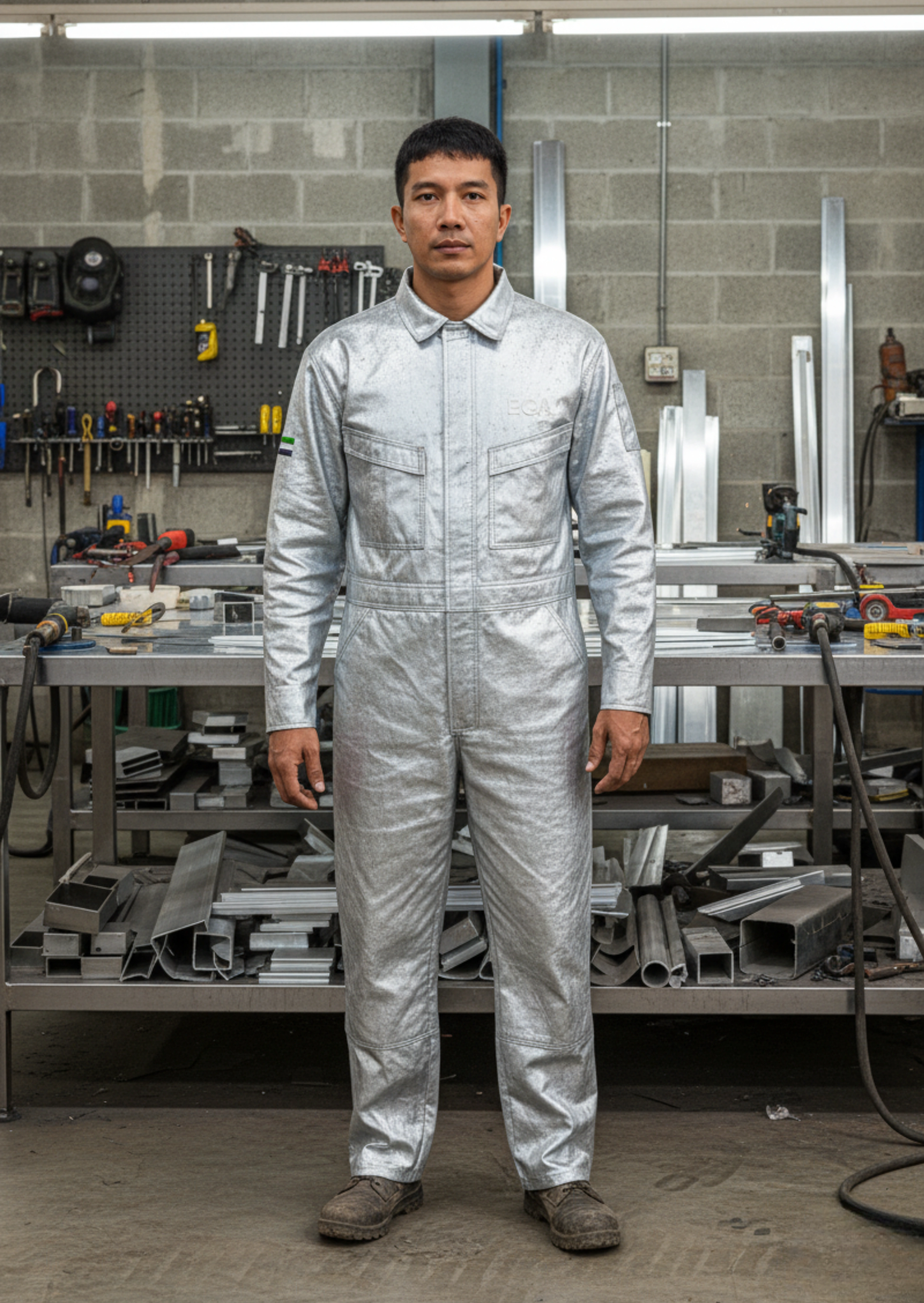
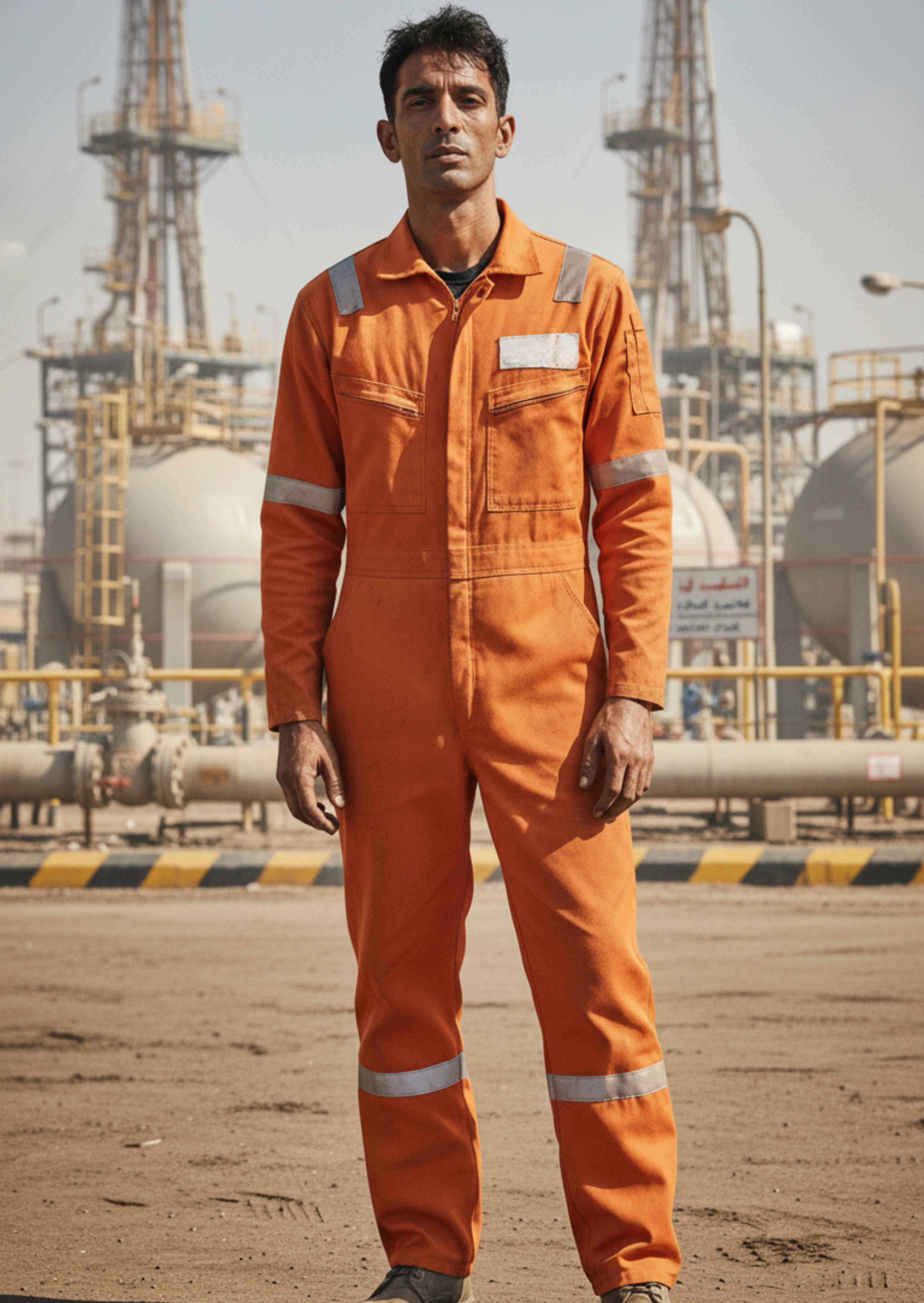
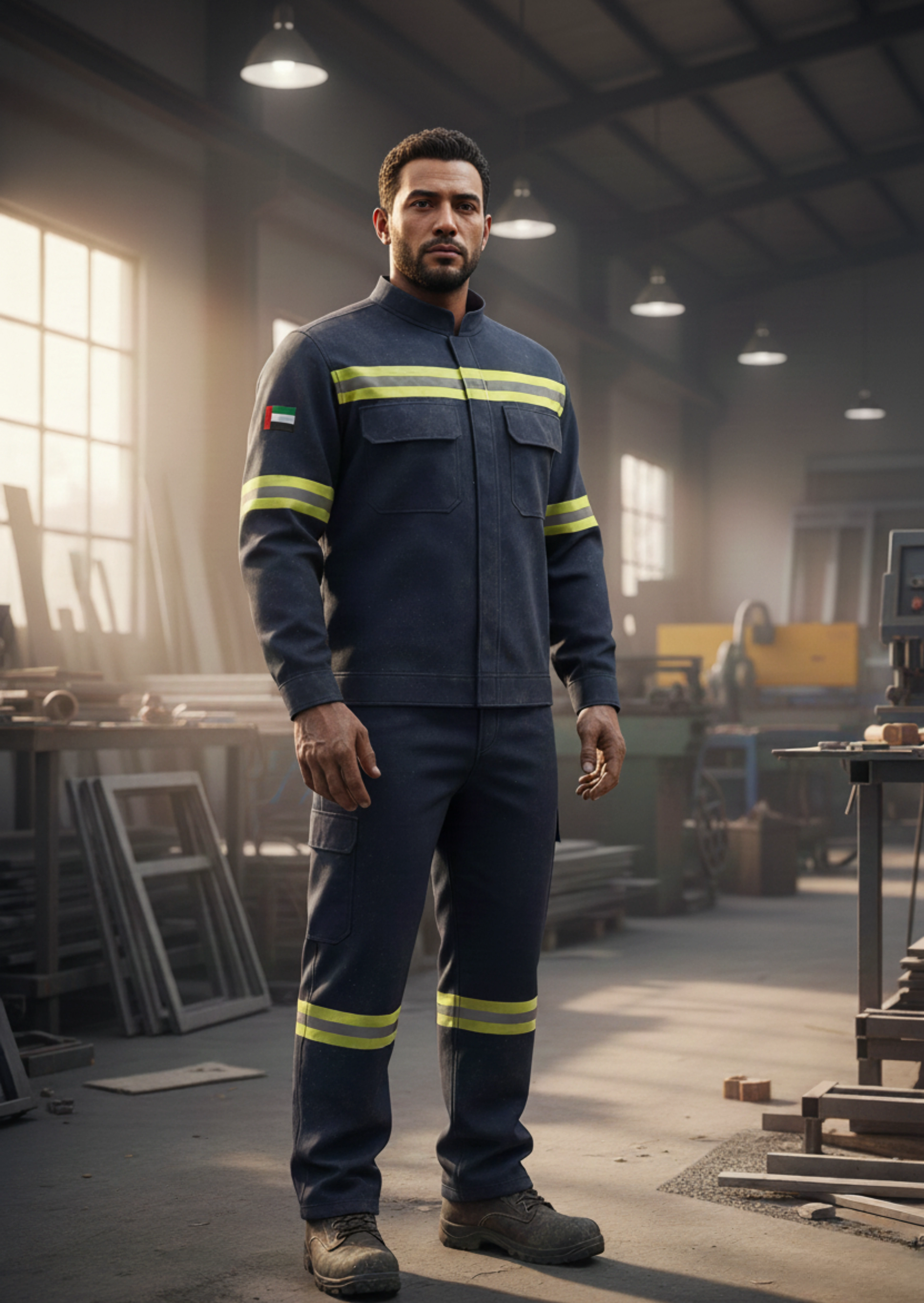
في قطاع النفط والغاز، الخطأ ليس خيارا. لذلك، تقدم لكم EI أزياءا مقاومة للإشتعال، مضادة للكهرباء الساكنة، متينة، مصممة بمعايير عالمية لتلبي متطلبات السلامة في الأجواء القاسية. أزياء صُممت لتصمد لساعات العمل الطويلة والظروف الوعرة والمهام الحساسة، لتبقى معك حيث تحتاجها فعلاً… في قلب الميدان.
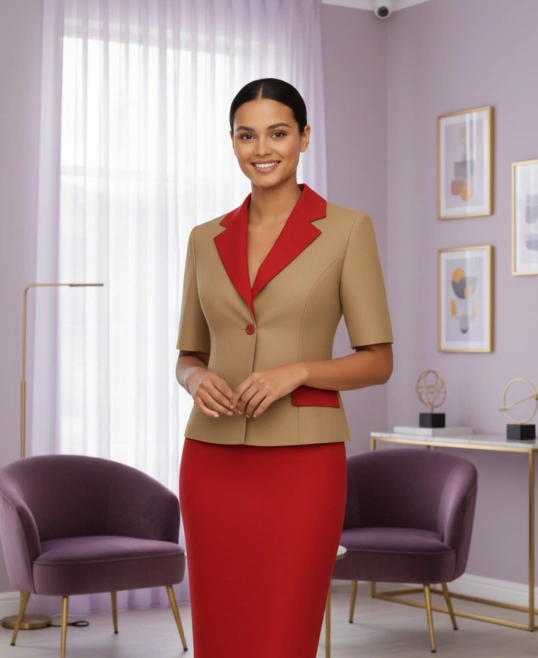
 القطاع الحكومي
تحمل أزياء القطاع الحكومي مسؤولية تمثيل الجهة التي ترتديها. لذا، تقدم لكم EI ملابس رسمية دقيقة، متقنة، ومتوافقة مع المعايير المعتمدة التي تعكس السلطة، المصداقية والإحترام. في EI، نوفر لكم حلولاً مرنة تحافظ على الهيبة في كل تفصيلة.
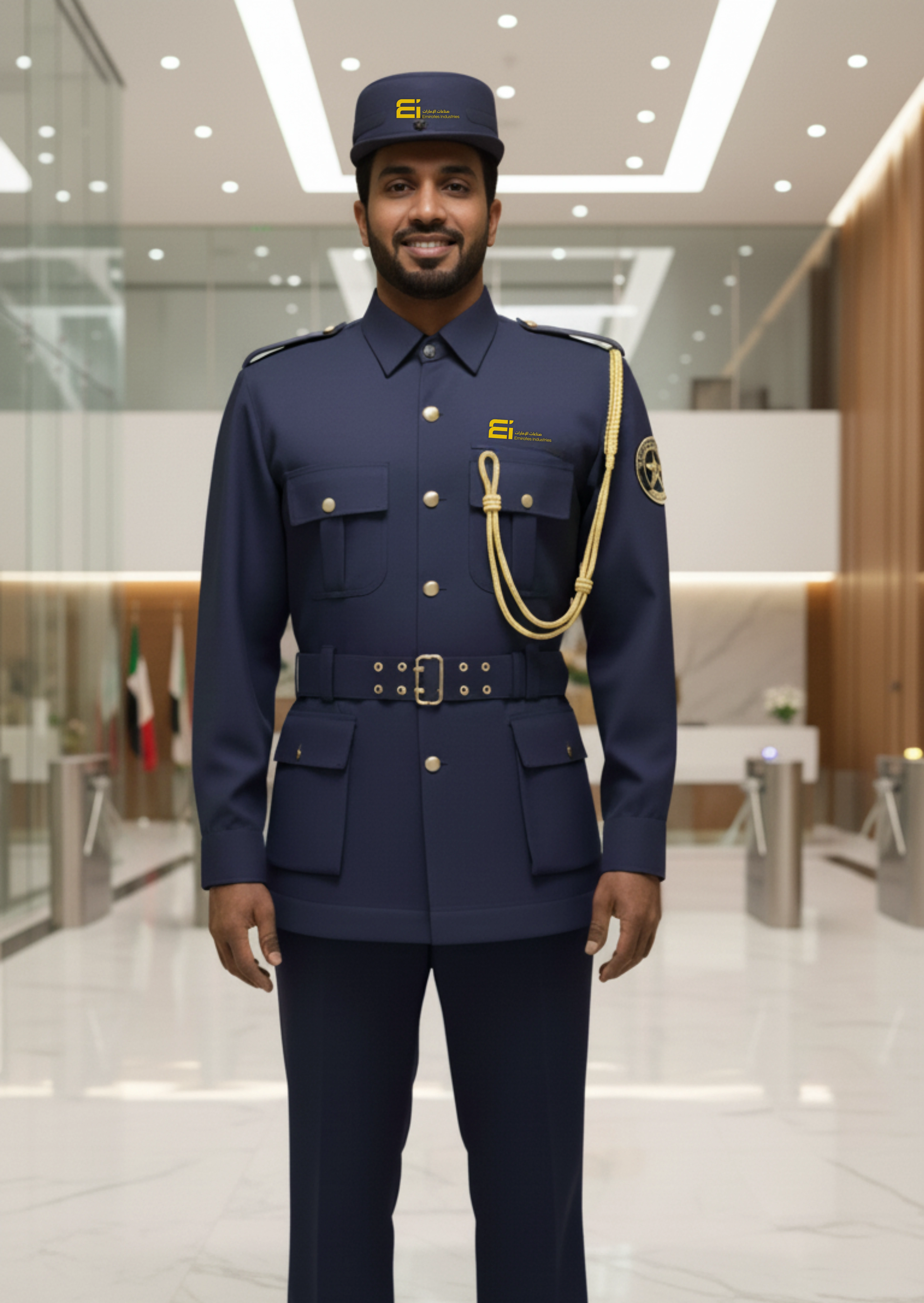

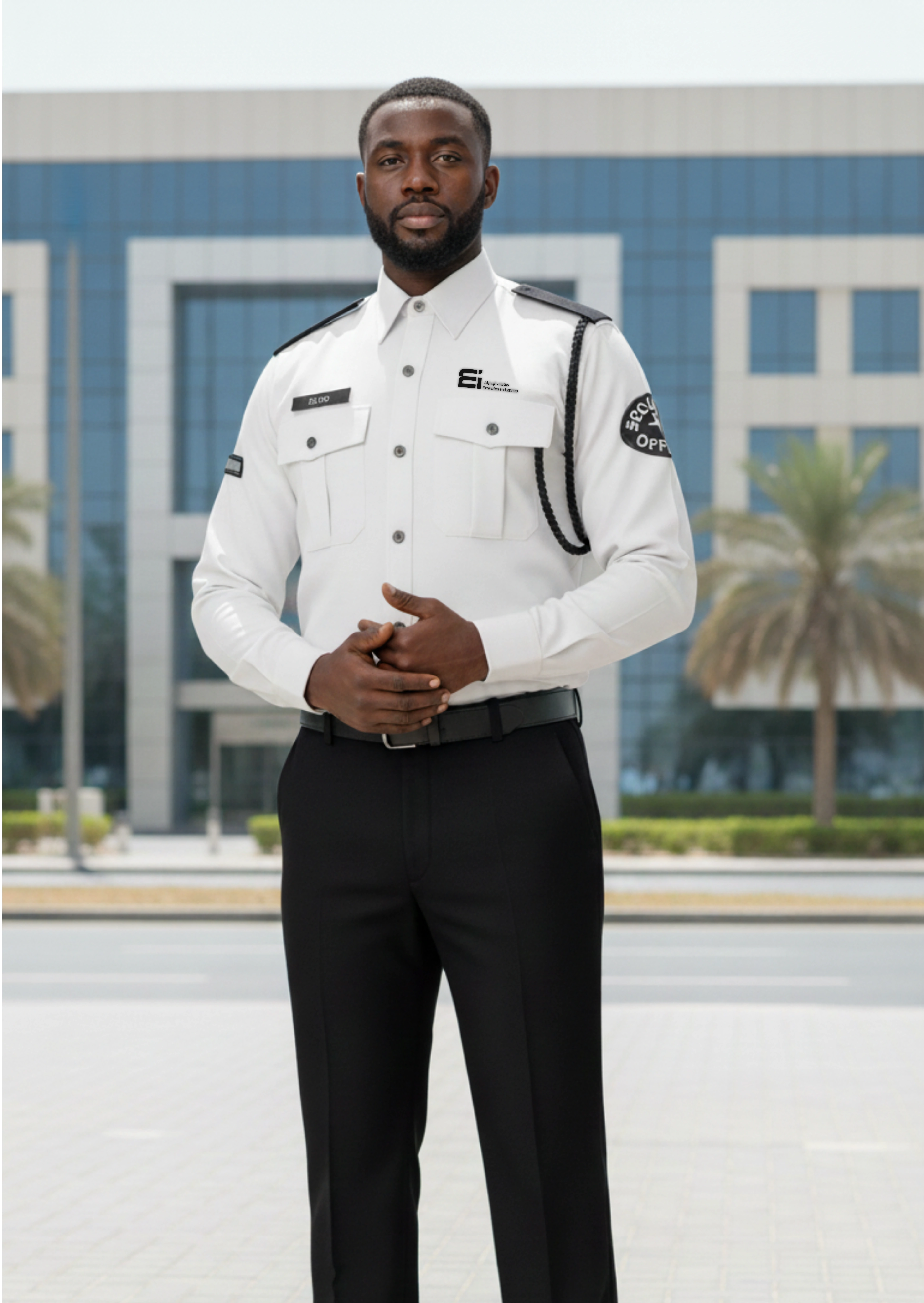
The primary focus, supplying uniforms for students, staff, and administration.
Medical scrubs, lab coats, and PPE for hospitals and clinics
