01 MAR 2026
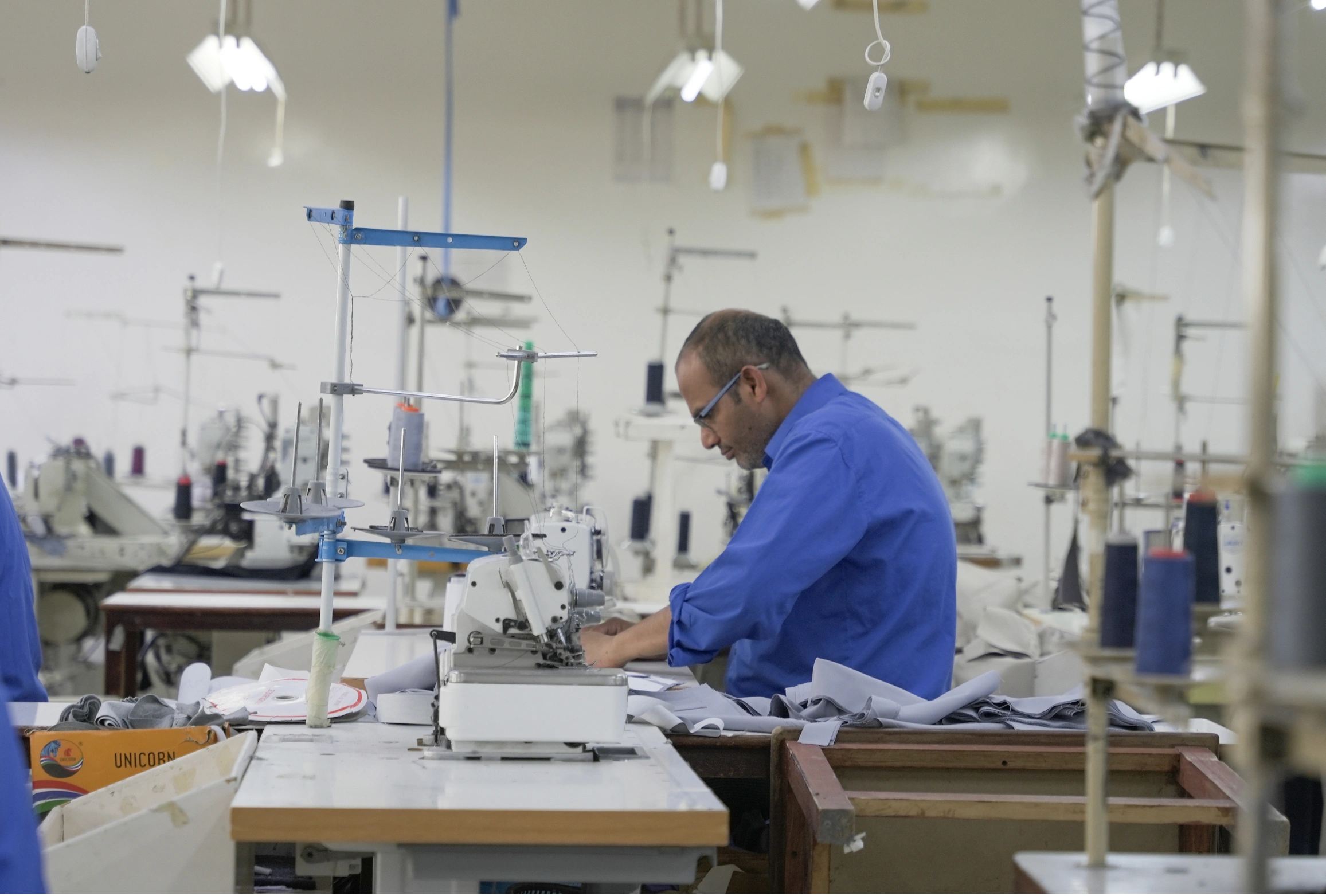
Uniforms play an essential role in shaping a company’s professional image, workplace safety, and employee comfort. Across the UAE, businesses in industries such as construction, healthcare, hospitality, manufacturing, education, and logistics rely on high-quality uniforms to maintain operational standards and brand identity.
However, selecting the right supplier is not just about finding a company that can stitch garments. A reliable uniform provider must understand safety regulations, climate conditions, fabric performance, and customization requirements. Choosing the wrong supplier often leads to uncomfortable clothing, poor durability, repeated replacement costs, and compliance risks.
This guide explains how to evaluate and choose the best uniform suppliers in the UAE so your business can receive durable, compliant, and comfortable workwear.
Uniforms are daily-use workwear. Employees may wear them for 8-12 hours in high temperatures, dusty environments, or physically demanding roles. Poorly manufactured uniforms can cause discomfort, reduced productivity, and even workplace hazards.
A professional supplier ensures:
The right partner does more than supply clothing - they support operational efficiency.
Many companies choose suppliers based only on price. This often leads to hidden costs.
Common mistakes include:
Low prices initially can result in higher long-term expenses.
Before finalizing a supplier, ask:
A professional supplier will confidently answer all.
Working with an experienced supplier provides:
A uniform program should be treated as a business investment rather than a simple purchase.
The UAE workplace environment includes:
Therefore, uniforms must balance safety, comfort, and durability.
When evaluating vendors, prioritize experience, reliability, and industry understanding rather than price alone. A dependable uniform supplier supports your company’s branding, employee well-being, and compliance needs.
Selecting the best uniform suppliers in the UAE requires careful evaluation of quality, safety compliance, customization capability, and long-term reliability. Businesses should request samples, review previous work, and ensure the supplier understands their industry requirements.
A trusted supplier becomes a long-term partner who helps maintain professional standards, employee comfort, and operational efficiency.
Companies seeking consistent and durable uniforms should always choose providers with proven experience and strong quality control processes. Investing in the right supplier today prevents repeated replacement costs and workplace issues in the future.
Typically every 6-12 months depending on work conditions and fabric durability.
Costs vary based on fabric, quantity, and branding, but bulk orders usually reduce pricing.
Breathable cotton-polyester blends and moisture-wicking materials work best.
Sectors such as construction, manufacturing, and oil & gas typically mandate protective workwear that meets safety standards.
Samples allow businesses to check fabric comfort, fitting, and durability before bulk production.
 Schools
A school uniform is more than a dress code, it shapes behavior, unity, and discipline. Ei delivers well-fitted, breathable, and durable uniforms for students and staff alike. Designed with identity in mind and built to withstand the energy of young learners.



 Healthcare
In healthcare, movement is constant and hygiene is non-negotiable. Ei provides uniforms that are breathable, antibacterial, made for long hours on your feet. We ensure comfort without compromise so your team can focus on what matters: care



 Hospitality
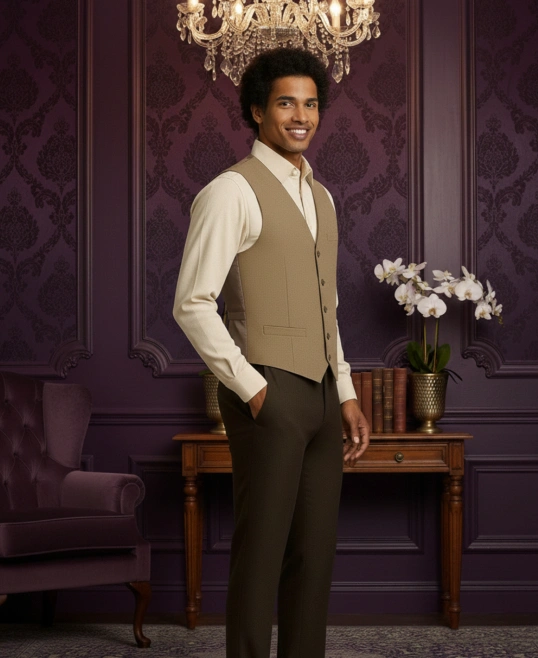
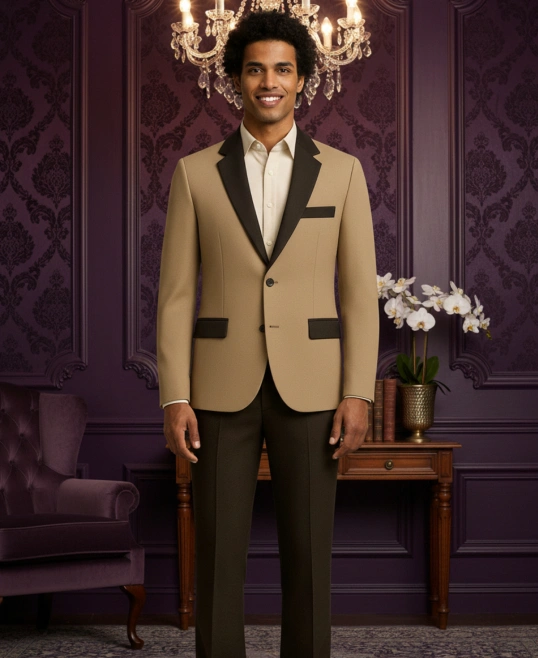
From guest-facing roles to operational teams. With breathable fabrics, refined silhouettes, and easy-care design, we ensure your team feels confident and looks the part — day in, day out

 Oil & Gas
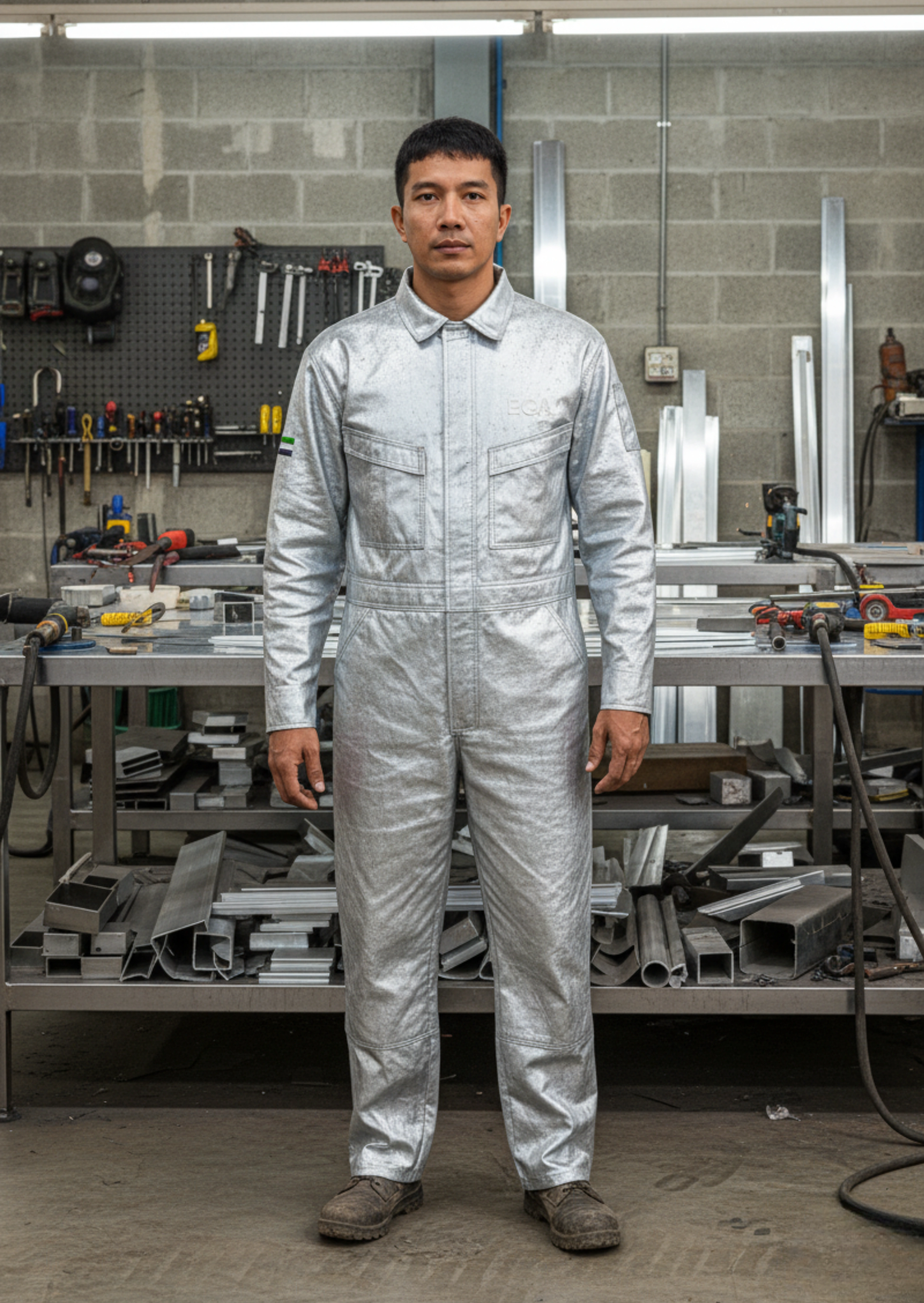
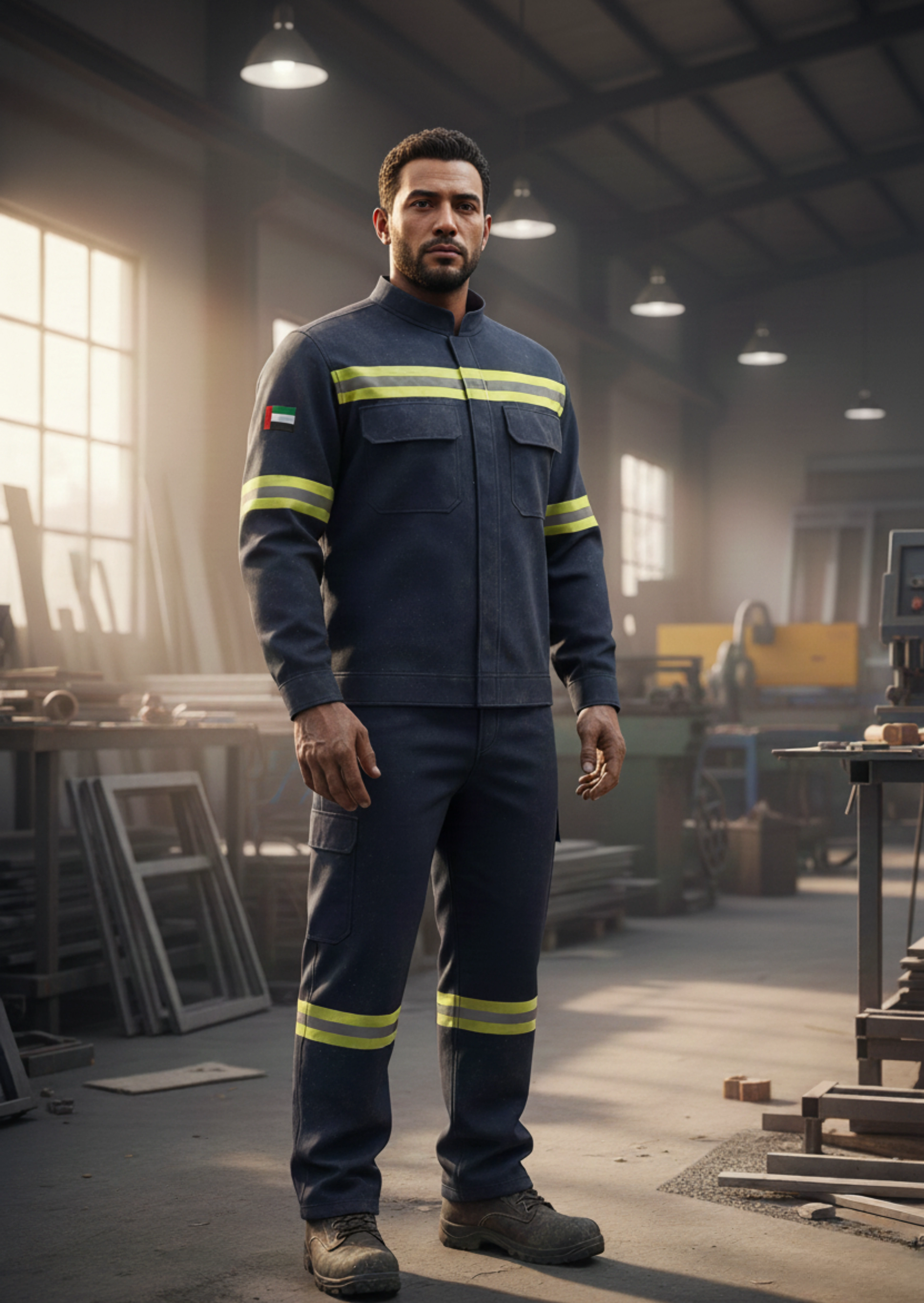
In oil and gas, failure isn’t an option. Ei delivers flame-resistant, anti-static, and durable uniforms engineered to meet strict safety regulations and harsh climate demands. Designed for long shifts, rough terrain, and critical tasks, our gear holds up where it matters most — in the field.

 Government
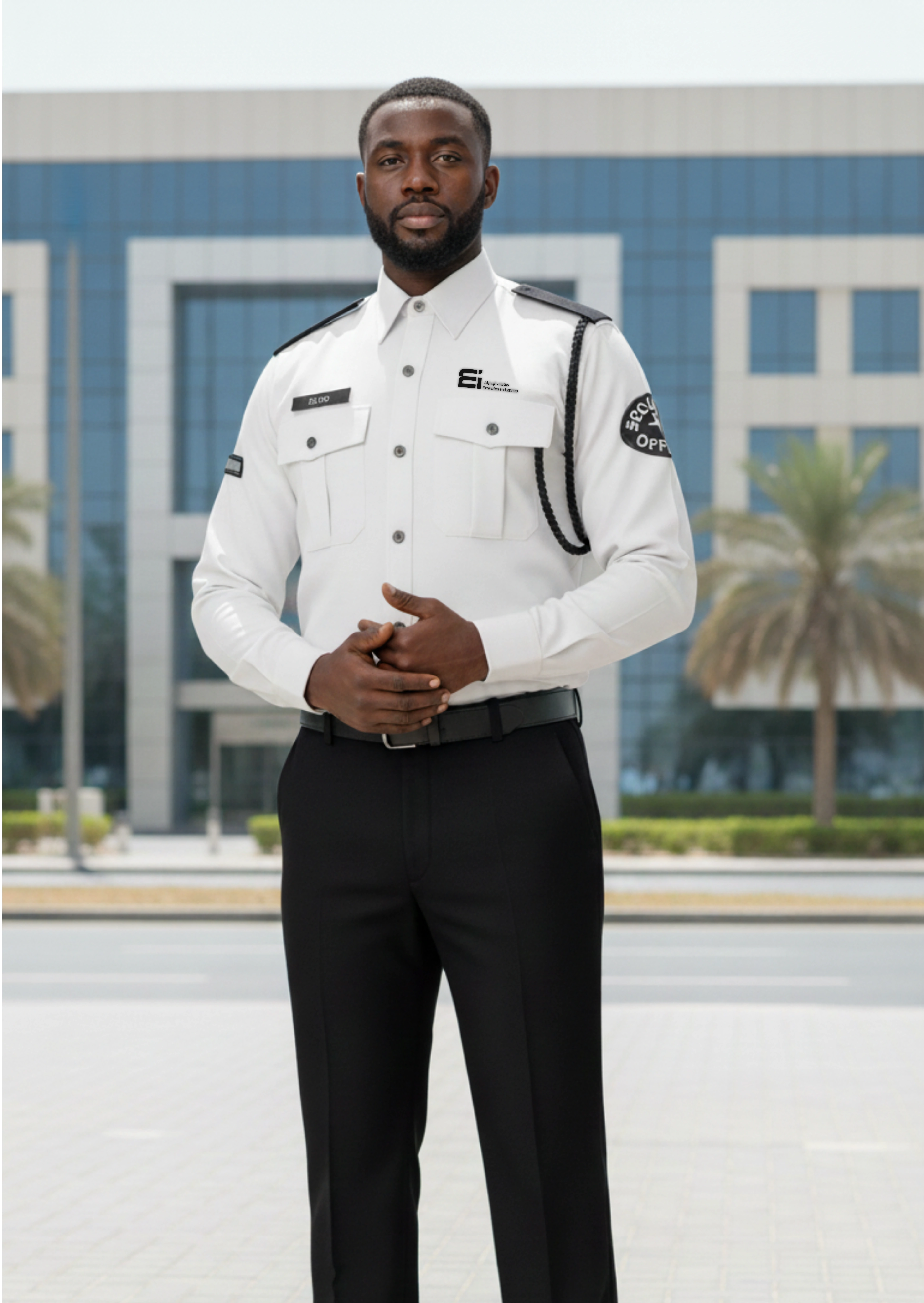
Public service uniforms carry the weight of representation. Ei creates clean, structured, regulation-compliant attire that reflects authority, reliability, and respect. We offer scalable solutions that uphold dignity in every detail.


The primary focus, supplying uniforms for students, staff, and administration.
Medical scrubs, lab coats, and PPE for hospitals and clinics
