17 APR 2026
The demand for high-quality industrial workwear is growing rapidly across the UAE. From energy sector operations to construction sites, coveralls are crucial for worker protection and compliance with safety requirements.
Choosing the right coverall manufacturers and uniforms in UAE is not just about price, it’s about durability, safety, comfort, and long-term reliability. This guide will give you a clear understanding to help you choose the right option.
Coveralls are full-body protective garments designed to cover the torso, arms, and legs in a single piece. They are an essential part of Personal Protective Equipment (PPE) used across various industries to protect workers from workplace hazards.
Unlike regular workwear, coveralls provide complete protection by minimizing exposed areas of the body. They are specifically engineered to withstand harsh working conditions while ensuring comfort, durability, and flexibility during long working hours.
Coveralls are designed to protect workers from multiple risks, including:
Modern coveralls are manufactured with advanced features to enhance safety and usability:
Industries in the UAE, such as construction, oil & gas, and manufacturing, typically operate under challenging conditions, with high temperatures and hazardous job sites.
Coveralls help:
Overall, coveralls are not just uniforms; they are a critical safety investment for businesses aiming to protect their workforce and meet industry standards.
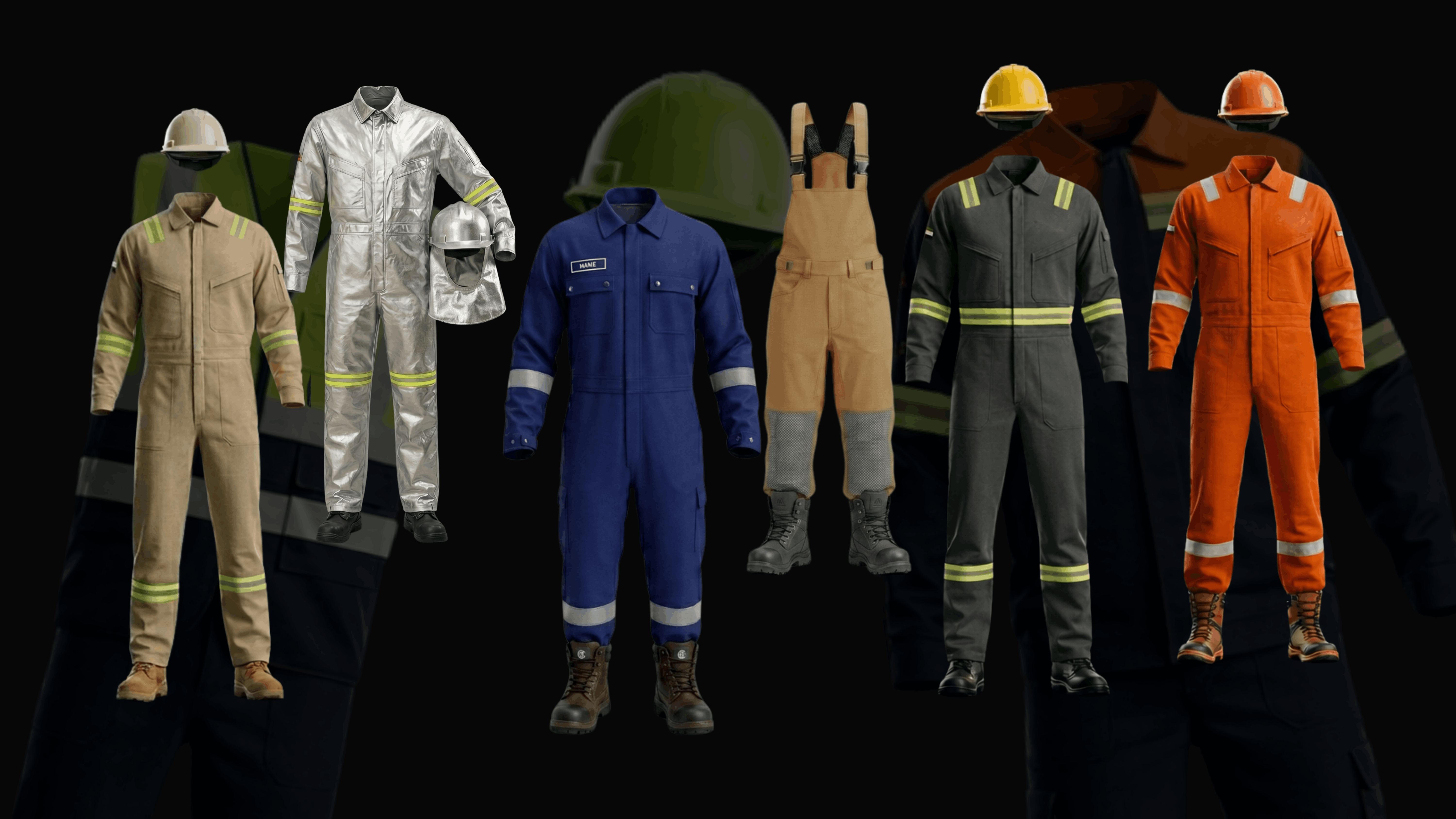
Coveralls are available in a wide range of types, each designed to address specific workplace hazards and environmental conditions. From lightweight disposable options to heavy-duty industrial garments, choosing the right type depends on the level of protection required and the nature of the job.
Disposable coveralls are lightweight, single-use garments typically made from materials like polypropylene or microporous fabric. They are ideal for low-risk tasks such as cleaning, painting, and laboratory work, where protection from dust, dirt, and minor splashes is required. These are widely used in environments where hygiene and contamination control are important.
Flame-resistant coveralls are specially engineered to protect against fire hazards, sparks, and arc flashes. In industries such as oil & gas, welding, and electrical services, these coveralls are designed using flame-resistant or treated fabrics to lower burn hazards and ensure worker safety.
Designed for hazardous environments, chemical-resistant coveralls provide a protective barrier against liquids, toxic chemicals, and biological agents. They are typically made from materials such as PVC, neoprene, or laminated fabrics, making them suitable for laboratories, chemical plants, and industrial cleaning operations.
High-visibility coveralls are essential for workers operating in low-light or high-traffic environments. Featuring bright colors like fluorescent yellow or orange along with reflective strips, they improve visibility and reduce the risk of accidents on construction sites, roadwork zones, and logistics operations.
These coveralls are designed to provide warmth and protection in cold environments. With insulated linings, they are commonly used in cold storage facilities, outdoor construction during winter, and refrigerated transport operations, ensuring both safety and comfort.
Industrial coveralls, often made from durable cotton or polyester blends, are designed for general-purpose use. They protect against oil, grease, dirt, and minor abrasions, making them ideal for mechanics, technicians, and manufacturing workers who require both durability and ease of movement.
Coveralls are essential in:
Each industry requires specific types of protective clothing based on risk exposure.
Coveralls are widely used across multiple industries in the UAE to ensure worker safety, hygiene, and regulatory compliance. Their application varies depending on the level of risk and work environment.
Common Uses of Coveralls:
Coveralls play a crucial role in maintaining a safe and controlled working environment, especially in high-risk industries.
Investing in high-quality coveralls offers multiple advantages for both employers and workers.
Major Benefits:
Overall, coveralls are not just protective gear; they contribute to operational efficiency and a workplace safety culture.
The effectiveness of coveralls largely depends on the materials used in their manufacturing. Different fabrics offer varying levels of protection, durability, and comfort.
Selecting the right material depends on:
Choosing the appropriate fabric ensures maximum protection, longevity, and worker satisfaction.
The cost of coveralls in the UAE can vary significantly depending on several factors, such as material, safety features, and order quantity. Understanding these factors helps businesses make cost-effective purchasing decisions.
Bulk orders typically reduce the per-unit cost, making them more economical for companies.
Proper maintenance of industrial coveralls is essential to extend their lifespan, maintain safety performance, and reduce replacement costs. Poor care can damage fabric properties, especially in specialized coveralls like flame-resistant or chemical-protective garments.
Selecting the right coverall manufacturer in the UAE requires more than just comparing prices. Businesses should evaluate suppliers based on quality standards, industry expertise, customization capabilities, and reliability to ensure long-term safety and performance.
Always choose manufacturers that meet both UAE and international safety regulations. This ensures the coveralls provide the required level of protection in high-risk environments.
Look for:
The material used plays a critical role in both protection and comfort, especially considering the UAE’s hot climate.
Key considerations:
Different industries require different levels of protection. A reliable manufacturer should understand the specific safety needs of your sector.
For example:
Top manufacturers offer flexible customization to align with your operational and branding needs.
This may include:
Timely delivery is crucial, especially for large projects or ongoing operations.
Make sure the manufacturer can:
Working with a manufacturer that offers a wide range of coveralls ensures you can source everything from a single supplier.
Look for availability of:
When looking for reliable coverall manufacturers in UAE, Emirates Industries LLC stands out due to:
Selecting the right manufacturer ensures:
Poor-quality coveralls can lead to safety risks and frequent replacements.
Choosing the right coverall manufacturers in UAE is essential for ensuring safety, compliance, and operational efficiency. By focusing on quality, certifications, and supplier reliability, businesses can make a smart investment in protective workwear.
For companies looking for dependable solutions, Emirates Industries LLC offers a perfect balance of quality, customization, and affordability.
The best material depends on usage. FR-treated cotton is ideal for fire hazards, while polyester blends offer durability and comfort.
Look for quality, certifications, customization options, and experience in your industry.
Yes, many industries require PPE, including coveralls, to comply with safety regulations.
Prices vary based on material and quantity, but bulk orders significantly reduce costs.
Yes, most manufacturers in UAE offer full customization including branding and sizing.
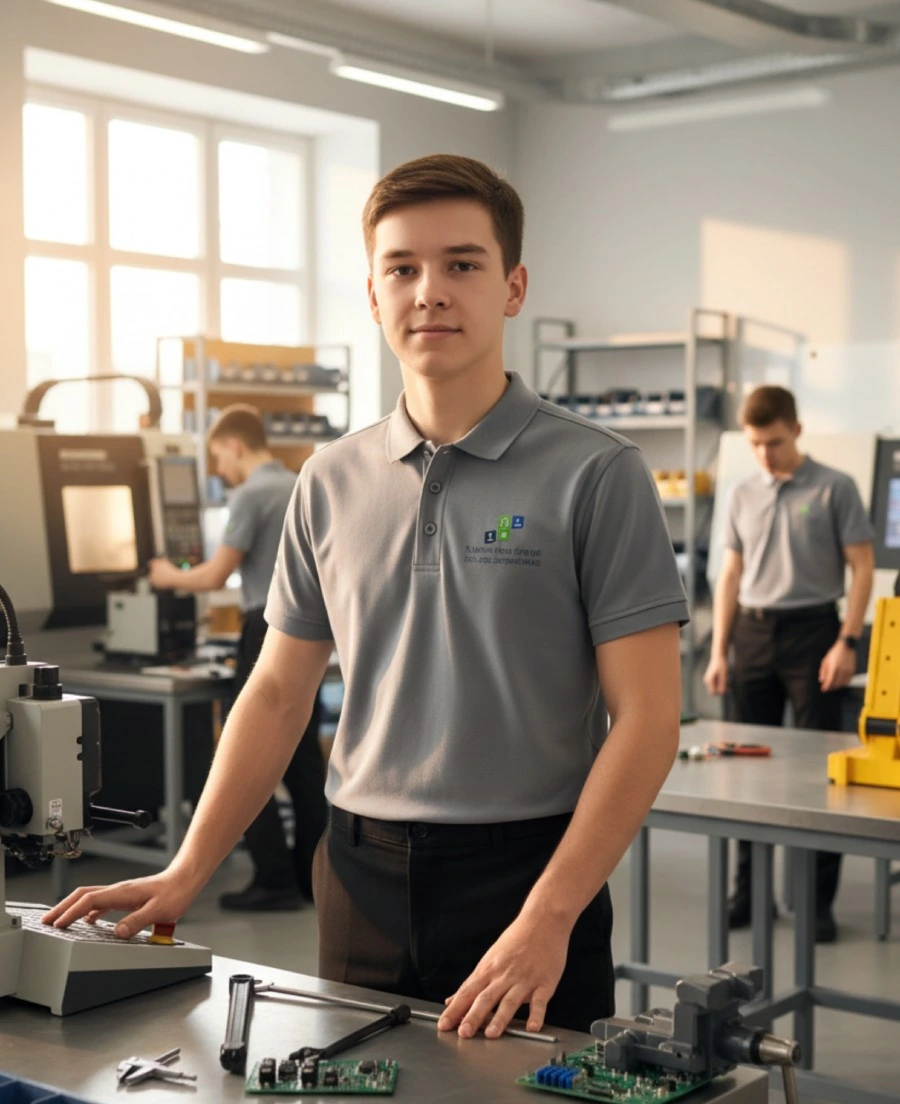
 Schools
A school uniform is more than a dress code, it shapes behavior, unity, and discipline. Ei delivers well-fitted, breathable, and durable uniforms for students and staff alike. Designed with identity in mind and built to withstand the energy of young learners.


 Healthcare
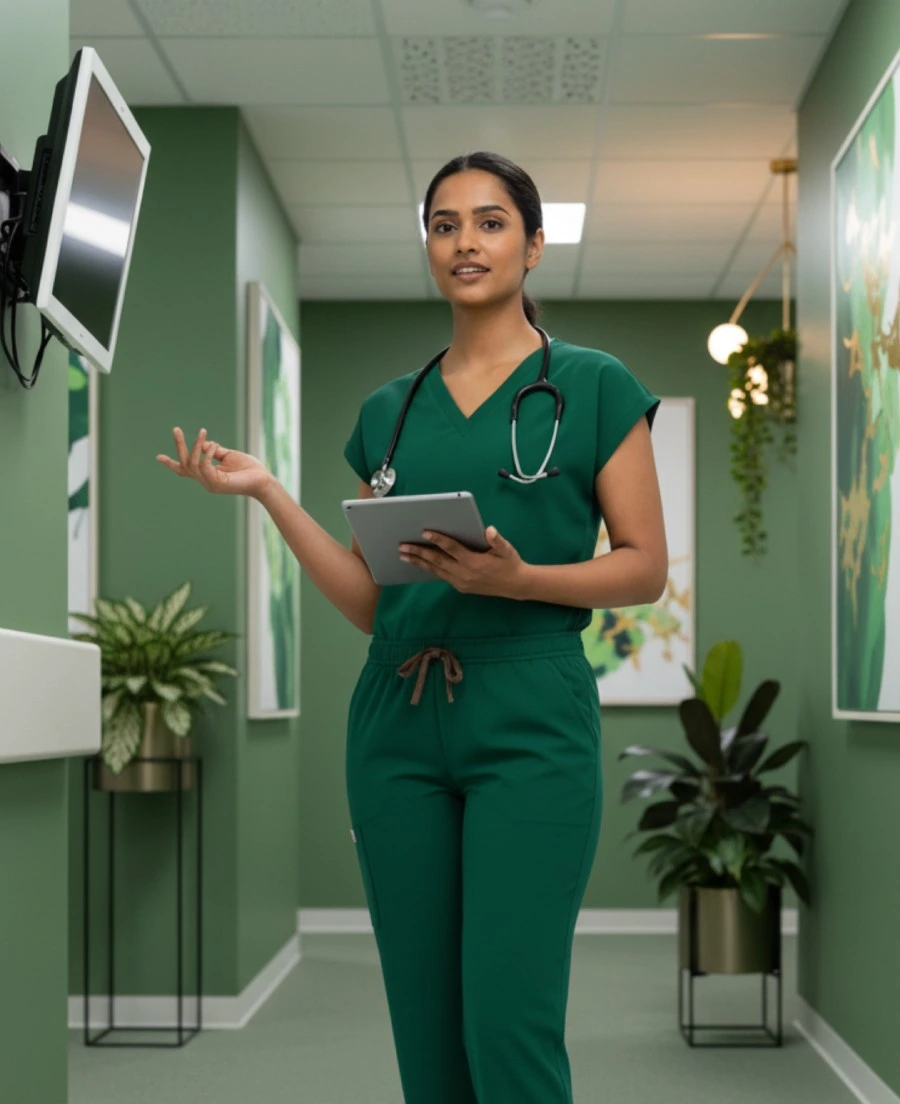
In healthcare, movement is constant and hygiene is non-negotiable. Ei provides uniforms that are breathable, antibacterial, made for long hours on your feet. We ensure comfort without compromise so your team can focus on what matters: care


 Hospitality
From guest-facing roles to operational teams. With breathable fabrics, refined silhouettes, and easy-care design, we ensure your team feels confident and looks the part — day in, day out



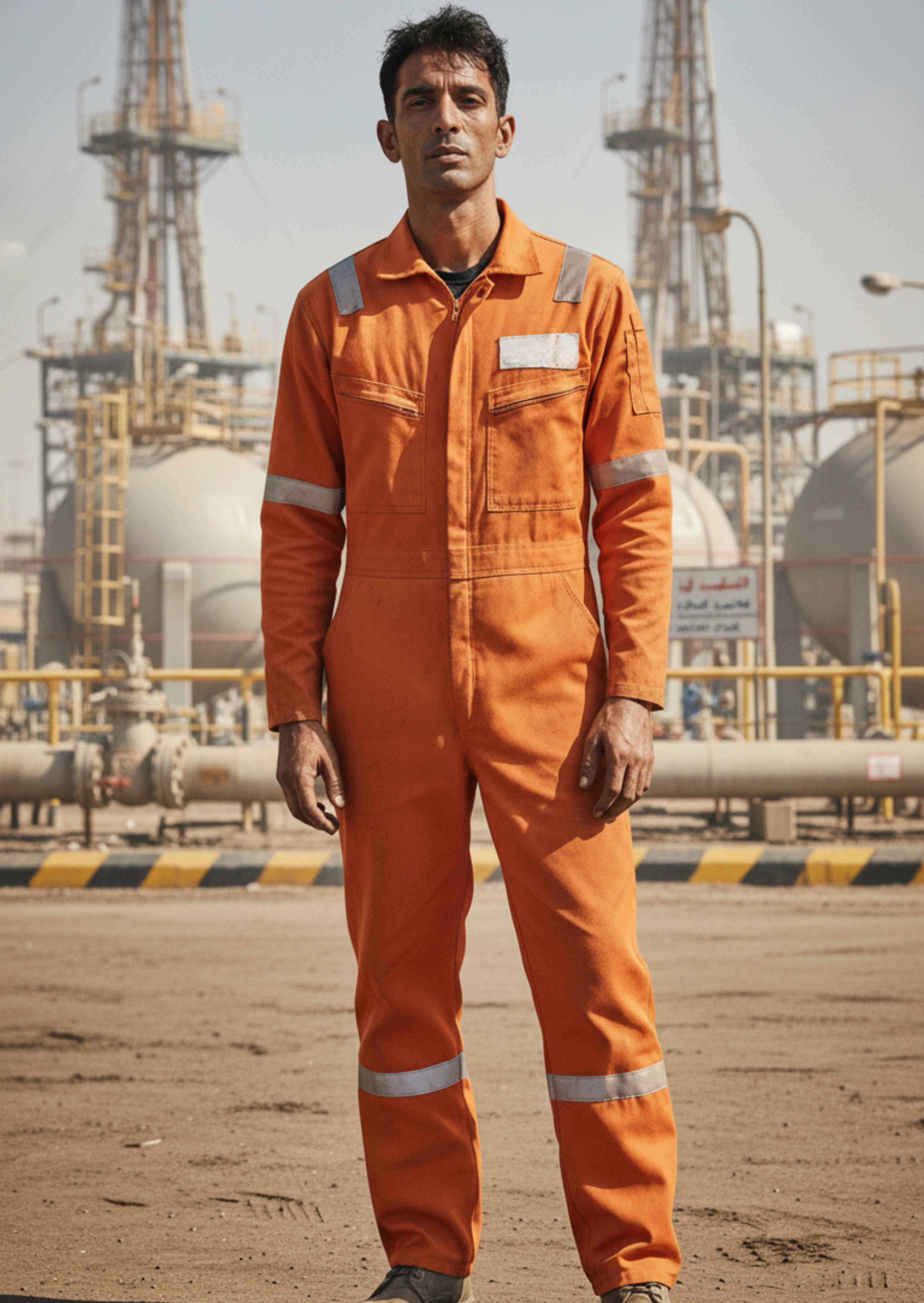
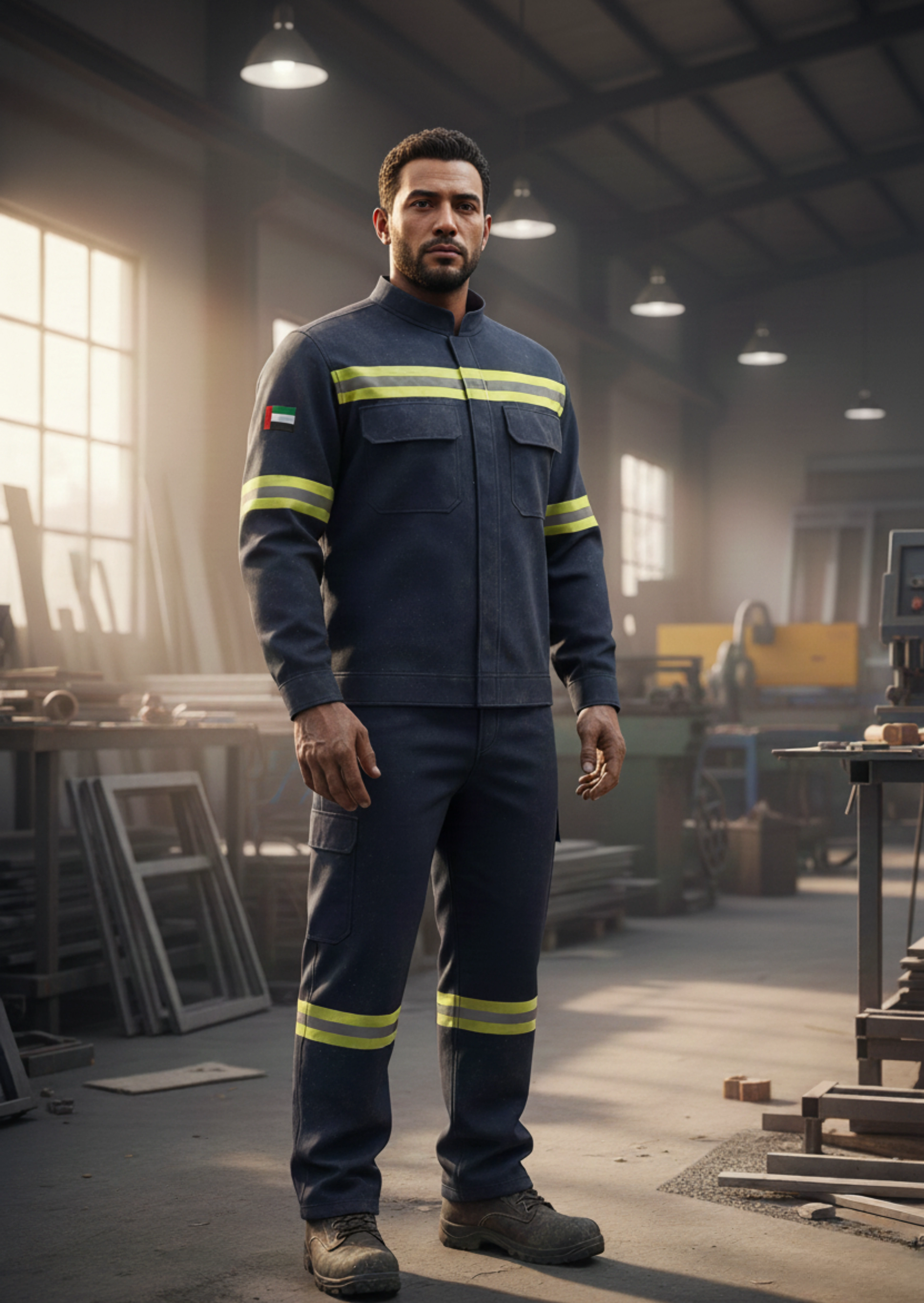
 Oil & Gas
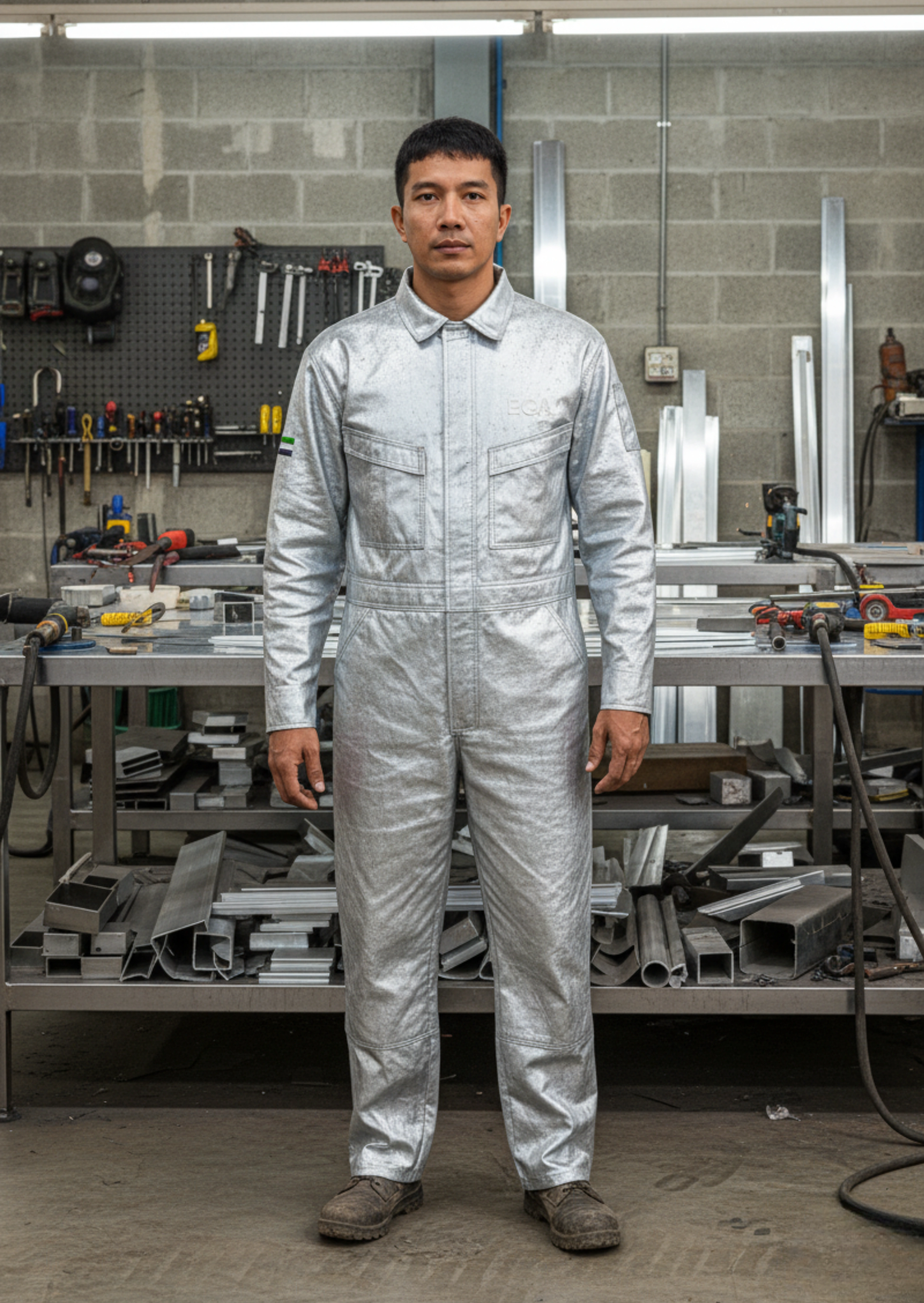
In oil and gas, failure isn’t an option. Ei delivers flame-resistant, anti-static, and durable uniforms engineered to meet strict safety regulations and harsh climate demands. Designed for long shifts, rough terrain, and critical tasks, our gear holds up where it matters most — in the field.
 Government
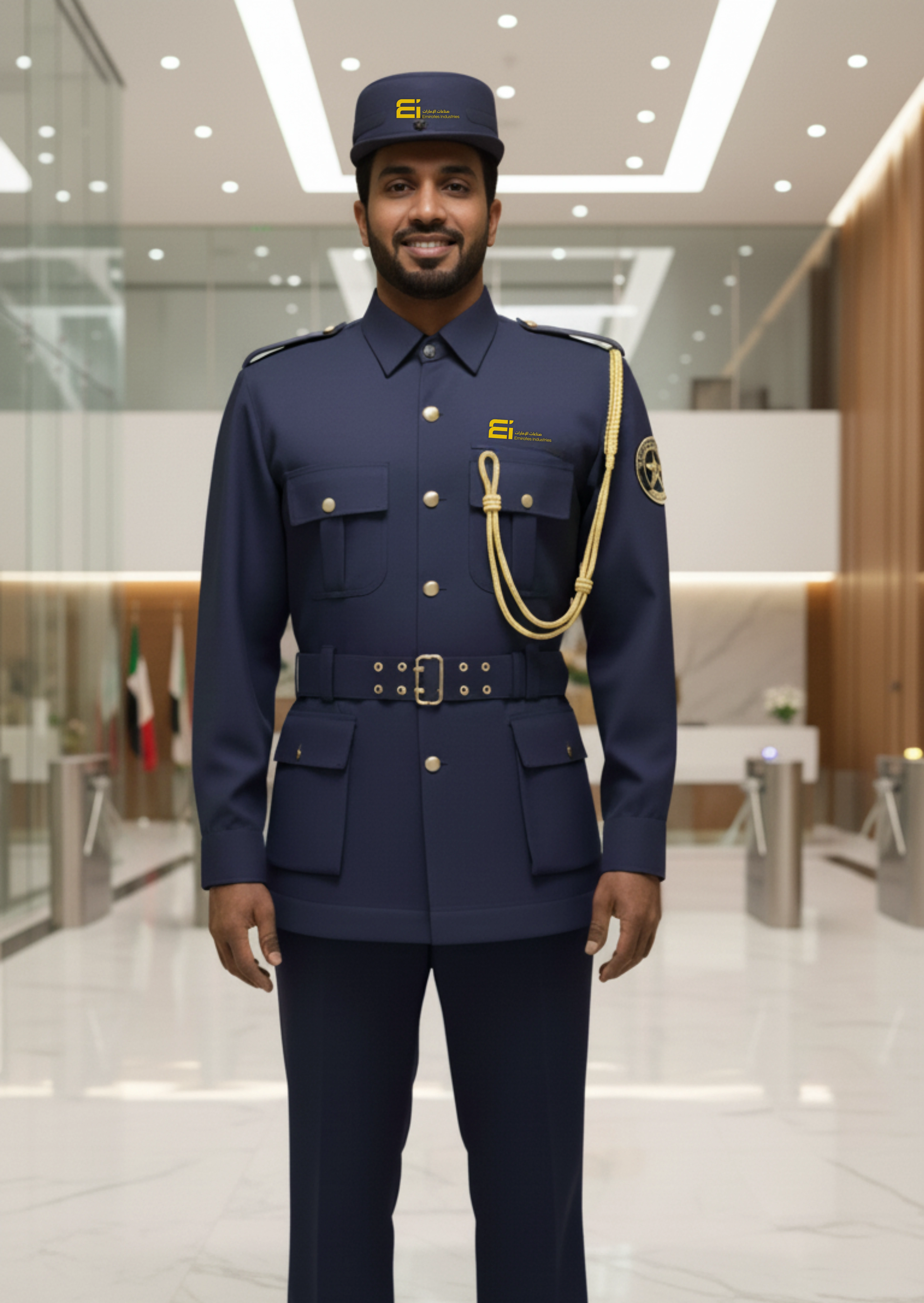
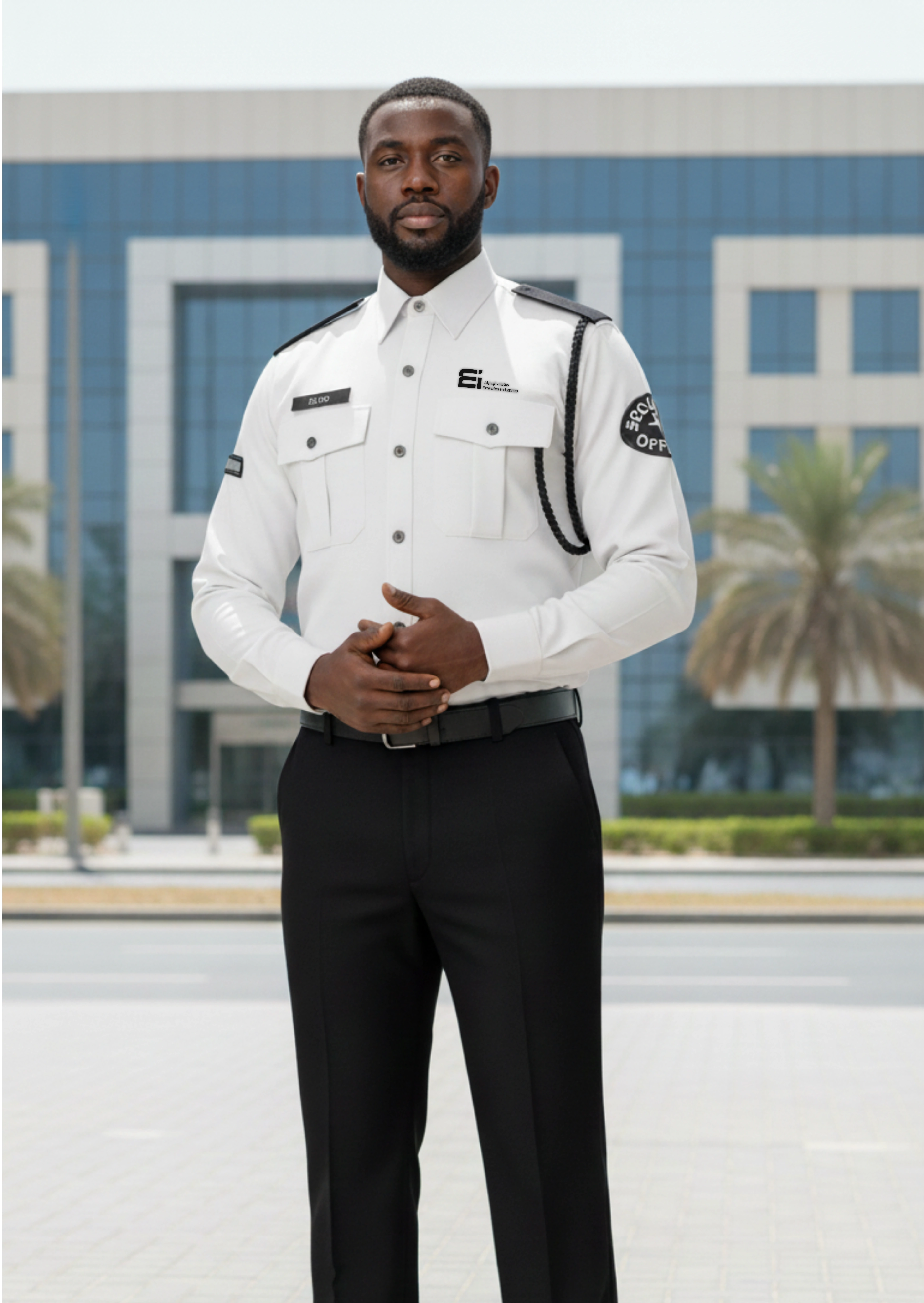
Public service uniforms carry the weight of representation. Ei creates clean, structured, regulation-compliant attire that reflects authority, reliability, and respect. We offer scalable solutions that uphold dignity in every detail.

The primary focus, supplying uniforms for students, staff, and administration.
Medical scrubs, lab coats, and PPE for hospitals and clinics
