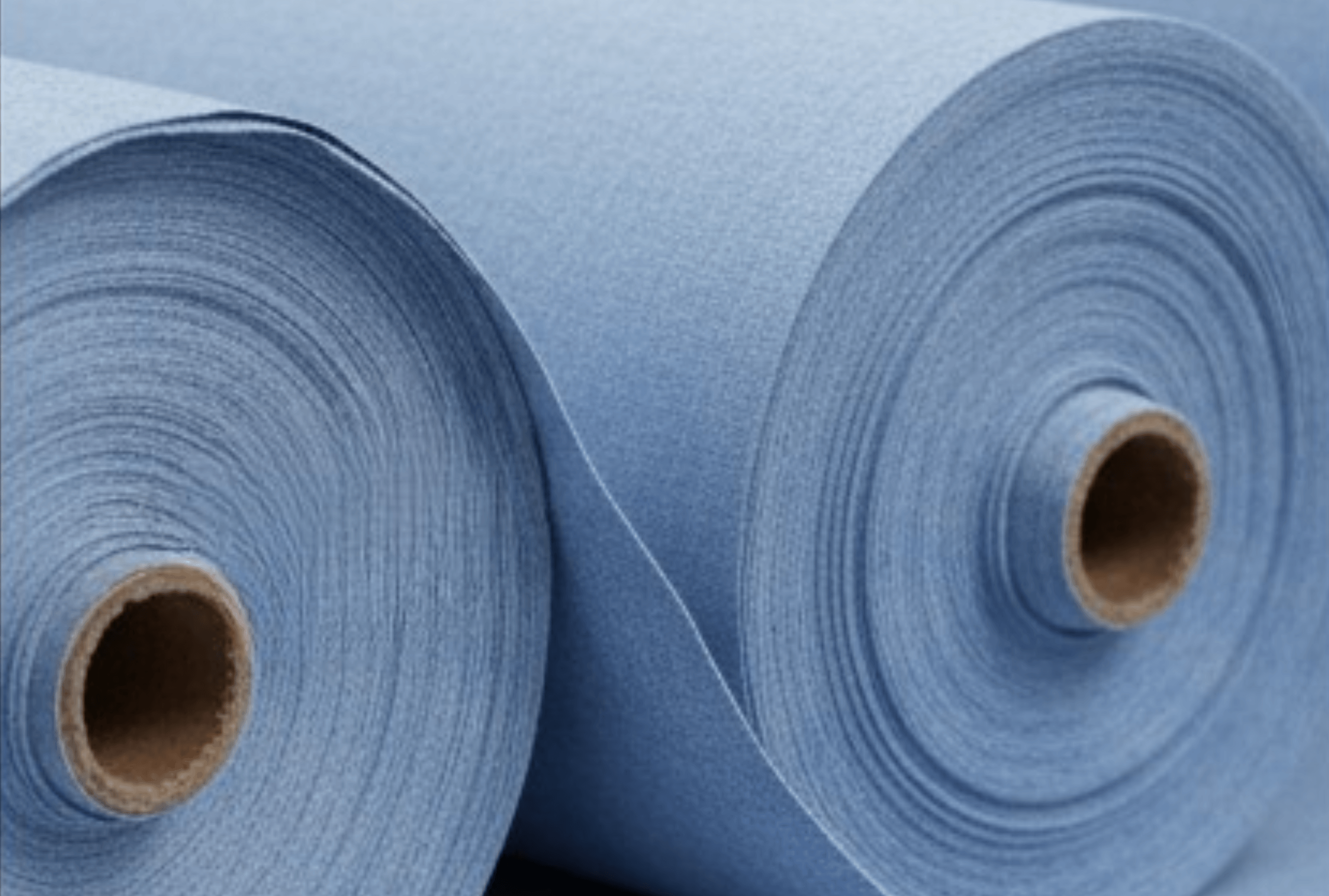
28 APR 2026
In high-risk sectors like oil & gas, construction, and manufacturing, ensuring worker safety is a primary concern. One of the most critical elements of workplace safety is fire retardant clothing, designed to protect workers from heat, flames, and potential burn injuries.
With the growing industrial sector in the UAE, the demand for reliable fire retardant clothing suppliers has increased significantly. Choosing the right supplier is essential not only for compliance but also for ensuring long-term safety and performance.
This guide covers everything you need to know, from types and standards to how to choose the best fire retardant clothing suppliers in UAE.
Fire retardant clothing (FR clothing) is specially designed protective wear that resists ignition and prevents the spread of flames. It helps minimize burn injuries by either self-extinguishing or slowing down combustion.
Unlike regular workwear, FR clothing is made from treated or inherently flame-resistant fabrics that provide protection in hazardous environments.
In high-risk work environments, exposure to heat, flames, and electrical hazards can occur without warning. Fire retardant clothing plays a vital role in protecting workers by acting as a critical layer of defense against sudden fire-related incidents.
Unlike regular workwear, FR clothing is specifically designed to limit flame spread, reduce heat transfer, and provide crucial seconds for safe escape, significantly lowering the risk of serious injuries.
FR clothing helps shield workers from flash fires, sparks, and electrical arc flashes, reducing direct exposure to extreme heat.
These garments are designed to resist ignition and prevent melting, minimizing the extent of burn injuries compared to standard fabrics.
Fire retardant materials are engineered to stop burning once the ignition source is removed, preventing flames from spreading further.
In unexpected situations, such as explosions or equipment failure, FR clothing provides valuable protection and escape time.
Using certified FR clothing helps organizations meet international safety standards and workplace compliance requirements.
When employees feel protected, they can focus better on their tasks, leading to increased efficiency and safer work practices.
Fire retardant clothing is designed to reduce the risk of burn injuries by resisting ignition, slowing down flame spread, and minimizing heat transfer to the skin. It works through specialized fabric technology that reacts differently when exposed to heat and flames.
Several industries across the UAE are legally and operationally required to provide fire retardant clothing to their workers. This is driven both by UAE Ministry of Human Resources regulations and international standards mandated by major operators such as ADNOC, DEWA, and others.
Fire retardant clothing is essential across multiple industries:
Fire retardant clothing is available in different forms and materials, each designed to meet the specific safety needs of various industries and working conditions. The right type depends on the level of risk, work environment, and required comfort.
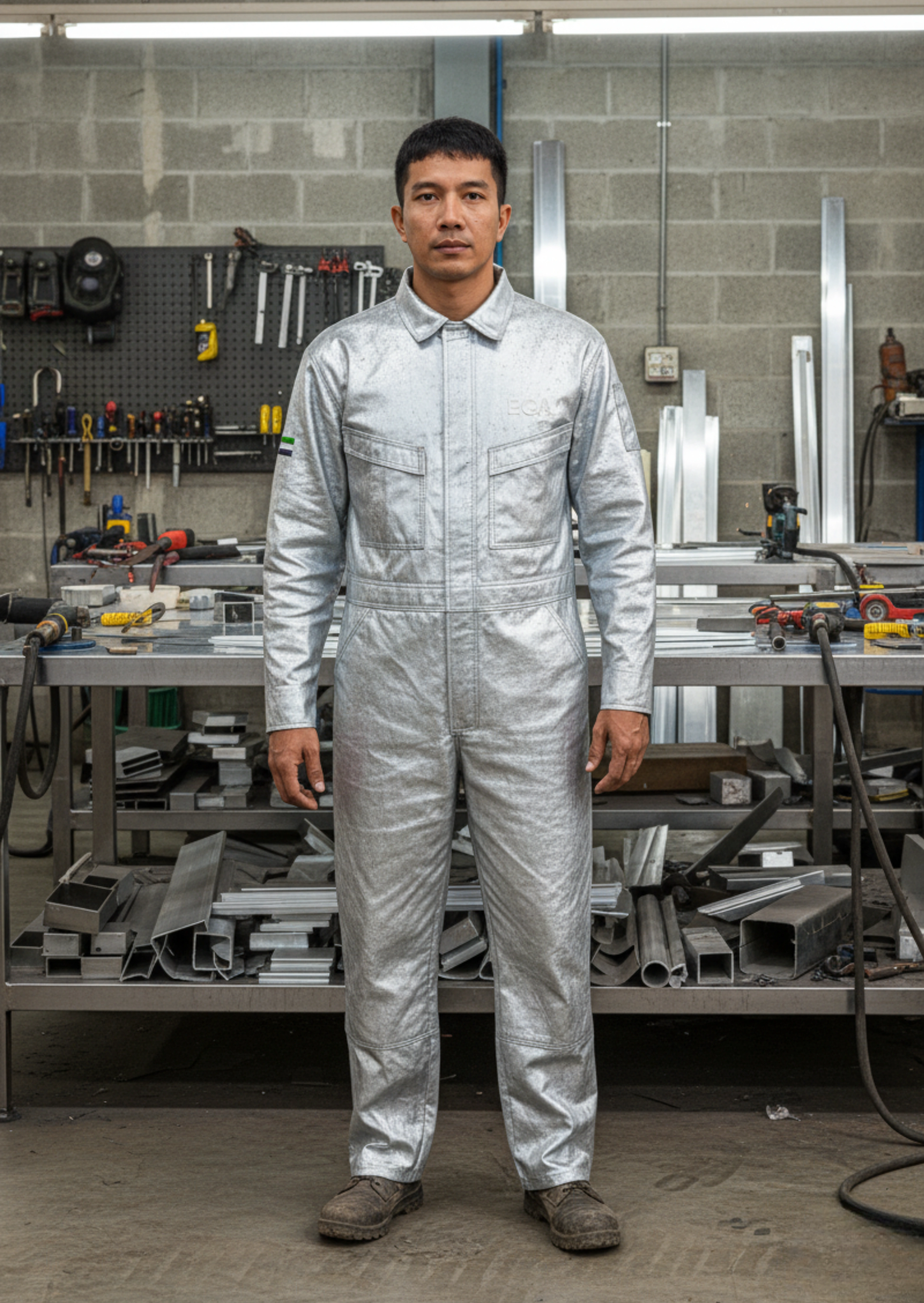
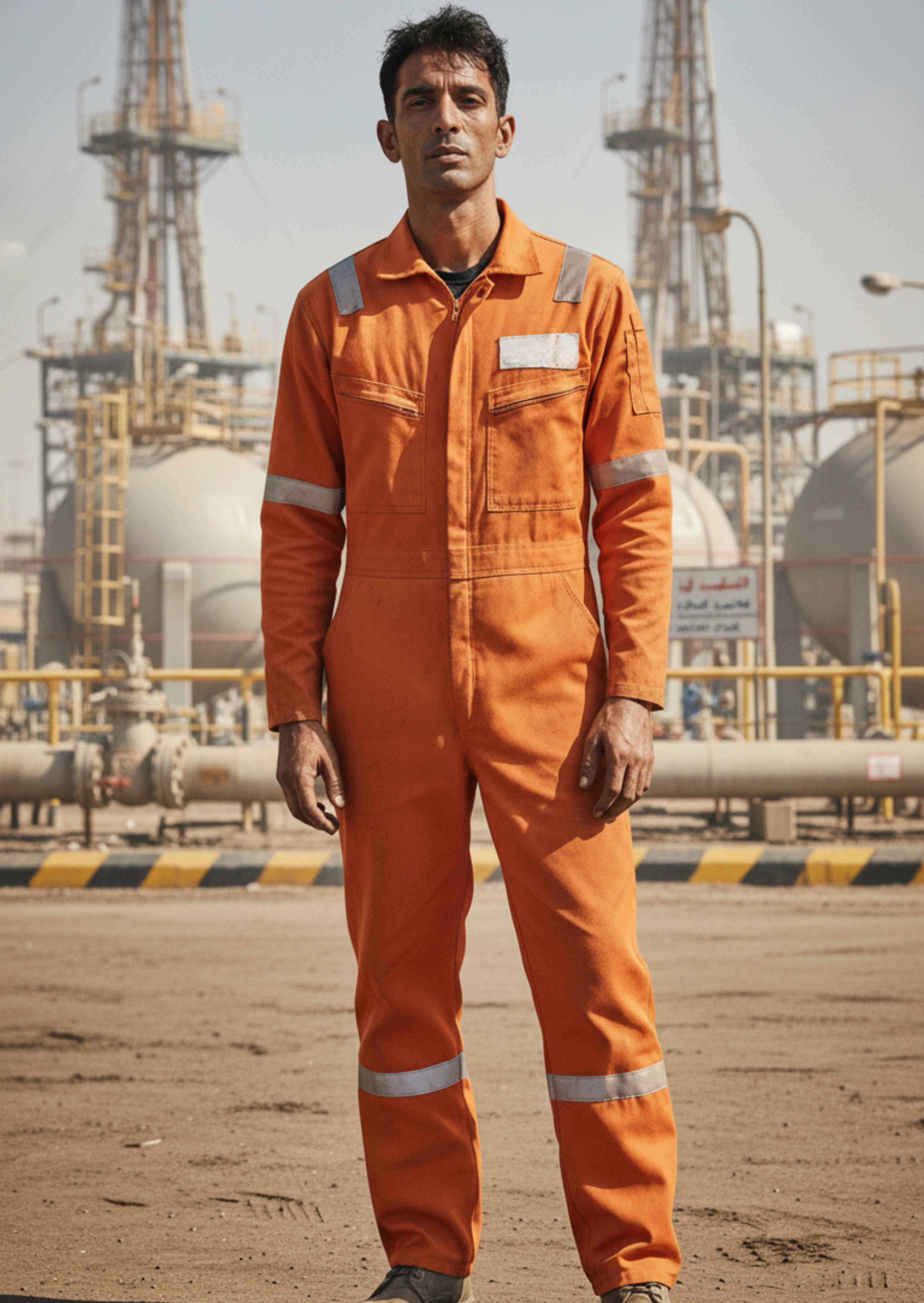
FR coveralls offer complete body protection and are commonly used in high-risk sectors like oil & gas, petrochemicals, and heavy manufacturing. They offer continuous coverage, reducing the chances of exposure to flames, sparks, and heat.
These are ideal for daily industrial wear, offering flexibility and comfort while maintaining protection. Commonly used by electricians, technicians, and maintenance workers, they allow ease of movement without compromising safety.
Designed for additional protection, especially in outdoor or cold environments, FR jackets protect workers from both weather conditions and fire hazards. They are often layered over other FR garments.
FR lab coats are used in controlled environments such as laboratories and chemical facilities. They provide lightweight protection against minor fire risks and chemical exposure.
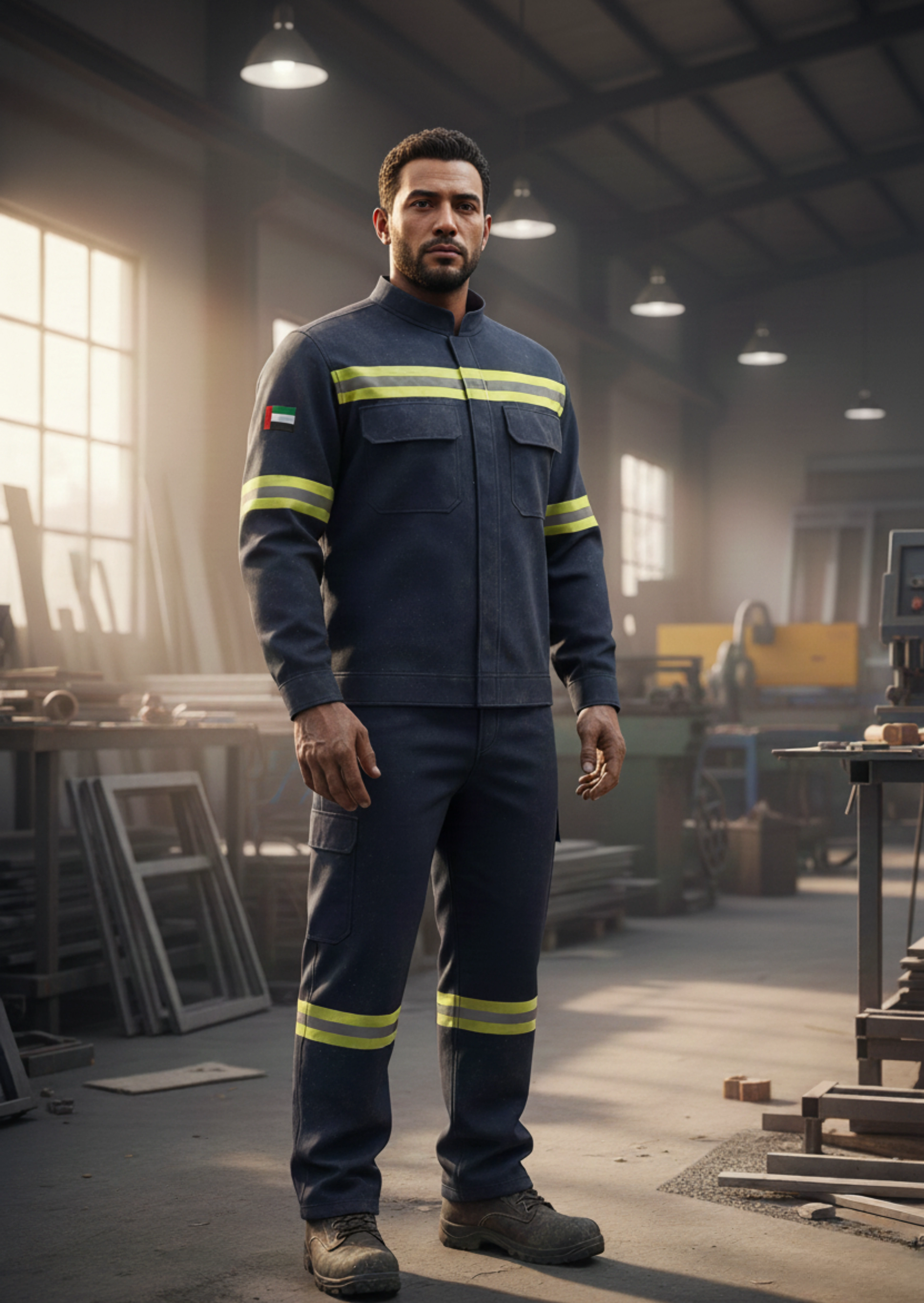
These garments combine flame resistance with reflective elements, making them essential for workers in low-visibility environments such as construction sites, roadwork, and night operations.
These fabrics are naturally resistant to fire due to their fiber composition. Their protective properties are permanent and do not wash out, making them highly reliable for long-term use.
Regular fabrics like cotton are treated with special chemicals to provide flame resistance. They are often more breathable and cost-effective, suitable for general industrial use.
Some materials are enhanced with protective coatings or blended with flame-resistant fibers to improve durability, heat resistance, and performance in demanding conditions.
Selecting the right type of fire retardant clothing ensures:
Compliance with international standards is critical when selecting FR clothing. Common Standards:
These certifications ensure that the clothing meets safety and performance requirements.
When selecting FR clothing, consider the following:
Not all fire retardant clothing suppliers are equal. Choosing the wrong supplier can result in non-compliant garments, worker safety risks, failed audits, and significant financial liability. Here are the most important factors to evaluate before placing an order.
Any reputable fire retardant clothing supplier in the UAE should be able to provide full traceability for their garment fabric test reports, garment certifications, and compliance declarations. Ask for these before you commit to a purchase.
FR clothing requirements differ significantly between oil and gas, construction, and electrical utilities. A supplier with sector-specific knowledge will understand the nuance of what your workers need and what auditors will check.
Businesses operating in the UAE often require branded FR workwear with company logos, custom colours, and specific sizing for diverse, multicultural workforces. A supplier with in-house design and manufacturing capability, like Emirates Industries, can deliver compliant, customised garments at scale.
Working with a locally based fire retardant clothing supplier in the UAE means faster lead times, easier communication, and the ability to conduct in-person quality checks. It also ensures alignment with local regulations and cultural requirements.
Whether you need 50 garments for a small site crew or 5,000 uniforms for a large contractor workforce, your supplier should be able to scale consistently without compromising quality or delivery timelines.
FR garments have a service life. A good supplier will advise you on inspection schedules, replacement timelines, and care procedures, helping you maintain compliance long after the initial order.
Working with a trusted supplier ensures:
Emirates Industries LLC is a Dubai-based specialist in high-performance safety workwear and industrial uniforms, serving sectors including oil and gas, construction, manufacturing, hospitality, and government. With a focus on precision manufacturing, regulatory compliance, and custom branding, We offer a complete solution for businesses that need FR clothing that works in the field and in the audit room.
Key Advantages:
Selecting the wrong supplier can compromise both safety and long-term costs. Avoid these common mistakes when choosing fire retardant clothing suppliers:
Opting for the cheapest option may lead to poor-quality garments that wear out quickly or fail to provide adequate protection. Always focus on value, durability, and compliance, not just cost.
Failing to verify certifications such as NFPA, ISO, or EN standards can result in non-compliant clothing that does not meet workplace safety requirements.
Low-quality fabrics may lose their fire-resistant properties over time. Always assess material strength, heat resistance, and wash durability before purchasing.
An inexperienced supplier may lack industry knowledge and fail to meet specific safety needs. Choose a supplier with proven expertise in industrial safety clothing.
Poorly fitted or generic clothing can reduce comfort and efficiency. Ensure the supplier offers proper sizing, customization, and branding options.
For large projects or organizations, unreliable delivery can disrupt operations. Always confirm the supplier’s ability to handle bulk orders and meet deadlines consistently.
Support doesn’t end after purchase. A good supplier should provide guidance, replacements, and ongoing support when needed.
Avoiding these mistakes ensures you choose a supplier that delivers high-quality, compliant, and reliable fire retardant clothing, ultimately protecting both your workforce and your business.
This is one of the most commonly misunderstood distinctions in workplace safety. These terms are frequently used interchangeably, but they have distinct meanings. Understanding the difference will help you choose the right garment and stay compliant with UAE and international safety regulations.
Feature |
Fire Retardant Clothing |
Flame Resistant Clothing |
| Protection Type | Chemically treated to delay ignition | Inherently resistant, no chemical treatment needed |
| Fabric Base | Any fabric treated post-production | Nomex, Kevlar, modacrylic- built-in protection |
| Durability | Protection may reduce after repeated washing | Protection lasts the lifetime of the garment |
| Cost | Generally lower upfront | Higher upfront, lower long-term cost |
| Best For | Budget-sensitive projects, short-term use | Oil & gas, high-risk industrial environments |
| UAE Standard | EN ISO 11612 (treated fabrics) | NFPA 2112, EN ISO 11611, EN 1149-5 |
For most high-risk environments in the UAE, particularly oil and gas, petrochemicals, and electrical utilities, inherently flame resistant clothing is the industry standard. It offers consistent, durable protection that does not degrade with washing or regular wear.
For lower-risk or budget-sensitive applications such as short-term site work, treated fire retardant clothing can be a practical and cost-effective solution, provided it meets relevant certification requirements.
Fire retardant clothing is not a commodity purchase; it is a safety-critical decision that affects the lives of your workers and the compliance status of your business. Whether you operate in the UAE's oil and gas sector, on a major infrastructure project, or in a manufacturing facility, the right FR clothing supplier will provide certified products, reliable supply, and the expertise to help you stay compliant. Emirates Industries LLC is committed to delivering fire retardant clothing that meets international standards, fits your workforce, and represents your brand with precision.
Contact our team directly to discuss your FR clothing requirements. We offer free consultations, sample garments, and scalable supply for businesses of all sizes.
Fire retardant clothing protects workers from heat, flames, and burns in hazardous environments. It helps prevent ignition and can self-extinguish, lowering the risk and severity of injuries in sectors such as oil & gas, construction, and electrical work.
Not exactly. Fire retardant clothing is chemically treated, while flame-resistant clothing is made from inherently resistant fibers.
Industries such as oil & gas, construction, manufacturing, and electrical sectors require FR clothing.
Yes. Modern FR clothing is designed to be breathable and comfortable for extended use.
Lifespan depends on fabric and usage. Treated FR clothing typically lasts 12-24 months, while inherently FR garments can last 5+ years with proper care.
No. It must be washed as per manufacturer instructions. Avoid bleach, dry cleaning, and harsh chemicals to maintain fire-resistant properties.
ATPV (Arc Thermal Protective Value) measures heat protection. Higher ratings provide better protection against arc flash hazards.
Common materials include Nomex, Kevlar, modacrylic blends, and FR-treated cotton, offering different levels of protection and comfort.
FR clothing is a type of PPE specifically designed to protect against fire and heat hazards.
 Schools
A school uniform is more than a dress code, it shapes behavior, unity, and discipline. Ei delivers well-fitted, breathable, and durable uniforms for students and staff alike. Designed with identity in mind and built to withstand the energy of young learners.



 Healthcare
In healthcare, movement is constant and hygiene is non-negotiable. Ei provides uniforms that are breathable, antibacterial, made for long hours on your feet. We ensure comfort without compromise so your team can focus on what matters: care



 Hospitality
From guest-facing roles to operational teams. With breathable fabrics, refined silhouettes, and easy-care design, we ensure your team feels confident and looks the part — day in, day out



 Oil & Gas
In oil and gas, failure isn’t an option. Ei delivers flame-resistant, anti-static, and durable uniforms engineered to meet strict safety regulations and harsh climate demands. Designed for long shifts, rough terrain, and critical tasks, our gear holds up where it matters most — in the field.
 Government
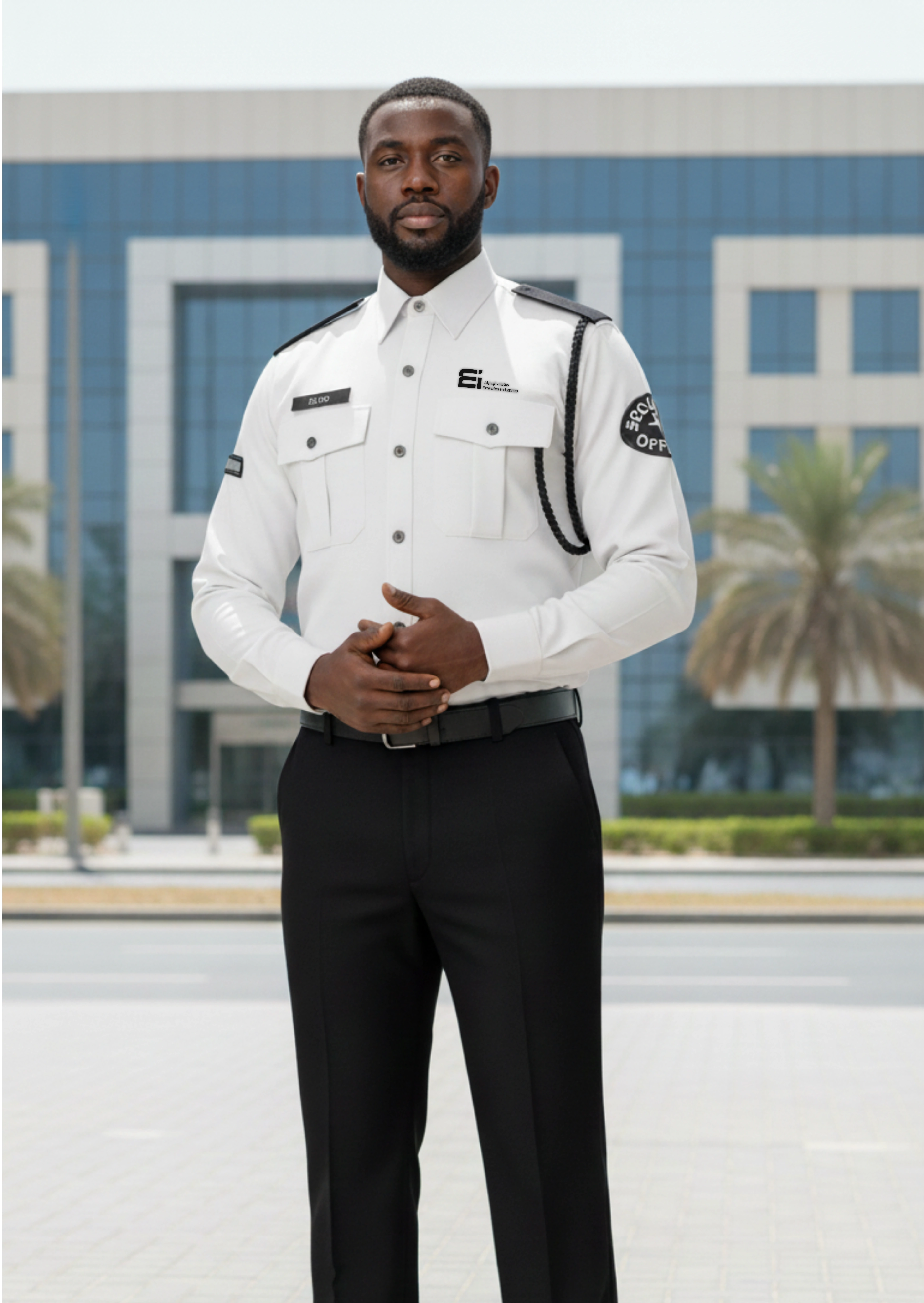
Public service uniforms carry the weight of representation. Ei creates clean, structured, regulation-compliant attire that reflects authority, reliability, and respect. We offer scalable solutions that uphold dignity in every detail.


The primary focus, supplying uniforms for students, staff, and administration.
Medical scrubs, lab coats, and PPE for hospitals and clinics