
17 SEP 2026
Healthcare uniforms play an important role in creating a professional, hygienic, and organized environment across hospitals, clinics, laboratories, pharmacies, dental practices, and other medical facilities. In Dubai, healthcare organizations also need to consider the UAE's warm climate, long working hours, frequent laundering, staff mobility, branding requirements, and the different responsibilities of healthcare professionals when selecting uniforms.
Choosing healthcare uniforms is therefore about more than selecting a particular colour or design. The right uniform programme should combine comfort, functionality, durability, professional appearance, easy maintenance, and consistency across departments.
For hospitals and medical facilities planning to purchase uniforms in bulk, working with an experienced healthcare uniform manufacturer or supplier can also make it easier to standardize designs, fabrics, colours, sizing, branding, and future reorders.
This guide explains the key factors hospitals, clinics, and medical facilities should consider when choosing healthcare uniforms in Dubai.
Healthcare uniforms are workwear designed for professionals and support teams working in healthcare environments. Unlike a single type of clinical garment, healthcare uniforms can include a wide range of apparel designed for different roles, departments, and workplace requirements.
Depending on the facility and job role, healthcare uniforms may include:
The exact combination depends on the type of healthcare facility, its departments, staff responsibilities, branding requirements, and operational needs.
For organizations specifically looking for information about medical scrubs, it is useful to consider scrubs as one component of a broader healthcare uniform programme rather than treating the two terms as interchangeable.
Healthcare professionals can spend long hours working, moving between rooms, assisting patients, performing procedures, handling equipment, and completing administrative responsibilities. Their uniforms therefore need to support the practical demands of their work.
A well-planned healthcare uniform programme can help organizations achieve several objectives.
Healthcare workers may wear their uniforms for extended periods. Breathable, comfortable, and appropriately designed garments can make long working hours more manageable.
Consistent uniforms help present a professional image to patients and visitors. Coordinated colours, designs, and branding can also contribute to a more organized healthcare environment.
Different colours, designs, or uniform combinations can help patients and visitors identify healthcare professionals and support teams more easily.
Uniforms can incorporate an organization's logo, colours, embroidery, and other branding elements. This helps create consistency between the physical facility, staff appearance, and overall brand identity.
Standardized uniforms make it easier for organizations to manage staff apparel across multiple departments, branches, and locations.
Selecting durable fabrics, maintaining standardized specifications, and working with a supplier capable of supporting repeat orders can make long-term uniform management easier.
Healthcare facilities should evaluate uniforms based on both employee requirements and organizational needs. The following factors can help procurement teams make a more informed decision.
Dubai's warm climate makes fabric selection particularly important. Healthcare professionals may move between air-conditioned indoor environments, vehicles, outdoor areas, and different parts of a medical facility throughout the working day. A uniform that feels comfortable in one environment may not necessarily be suitable for all working conditions.
When evaluating fabrics, healthcare organizations should consider:
The goal should be to select a fabric that balances comfort with the practical requirements of healthcare work.
Healthcare employees can spend several hours wearing uniforms continuously. Breathable fabrics can help improve comfort by allowing better airflow and reducing the uncomfortable feeling associated with heat and moisture.
For facilities in Dubai, fabric selection should therefore be considered alongside the working environment and the amount of movement expected from each role.
There is no single healthcare uniform suitable for every employee.
A surgeon, laboratory technician, doctor, nurse, pharmacist, physiotherapist, receptionist, and housekeeping employee may have completely different responsibilities.
Before selecting uniforms, identify the requirements of each staff category.
For example:
Healthcare Role |
Potential Uniform Requirements |
| Doctors | Professional coats, clinical uniforms, customized workwear |
| Nurses | Comfortable clinical uniforms and practical workwear |
| Surgeons | Surgical or OT-specific apparel |
| Laboratory Staff | Lab coats and appropriate workwear |
| Pharmacists | Professional coats or customized uniforms |
| Dentists | Clinical uniforms and protective workwear |
| Physiotherapists | Flexible and comfortable uniforms |
| Reception Staff | Professional front-office uniforms |
| Housekeeping Staff | Durable and easy-care workwear |
| Support Teams | Role-specific uniforms designed for mobility and durability |
This role-based approach helps prevent organizations from selecting one generic uniform for employees with very different working requirements.
Healthcare workers frequently walk, bend, reach, sit, stand, and move quickly between different areas of a facility.
A uniform should therefore allow sufficient freedom of movement.
When evaluating designs, consider:
Comfort is especially important for employees working extended shifts.
A well-designed healthcare uniform should feel practical during everyday activities rather than simply looking professional when the employee is standing still.
Healthcare uniforms are often washed. This makes durability an important consideration when selecting uniforms for hospitals and clinics.
Procurement teams should evaluate how the fabric and garment construction perform after repeated washing.
Important considerations include:
A uniform that looks excellent when new but loses its shape or colour quickly may create higher replacement costs over time.
For large healthcare organizations, durability should therefore be evaluated as part of the total cost of ownership rather than only the initial purchase price.
Healthcare uniforms are also an extension of an organization's visual identity.
Hospitals and clinics can use uniforms to create consistency through:
For example, a healthcare organization may use different colours for nursing teams, laboratory staff, technicians, and support departments while maintaining consistent branding throughout the facility.
Off-the-shelf uniforms may not always match an organization's brand identity or operational requirements.
Customized healthcare uniforms can help organizations create a consistent appearance while accommodating specific requirements related to colour, design, sizing, branding, and staff roles.
Large hospitals can have dozens of departments and hundreds or thousands of employees.
A standardized colour-coding or uniform system can make it easier for patients and visitors to recognize different teams.
For example, an organization may assign specific uniform colours or design elements to:
The exact colour system should be based on the organization's own requirements.
The key is consistency.
Once a department-specific uniform system has been established, the same specifications should ideally be maintained across future orders.
A healthcare uniform programme needs to accommodate employees with different body types and preferences.
Before placing a large order, organizations should establish a clear sizing system.
Consider:
For bulk orders, it is advisable to finalize sizing specifications before production begins.
Providing samples to representatives from different employee groups can help identify fit issues before a large production run.
Healthcare organizations often want uniforms that clearly identify their staff and reinforce their brand.
Branding may include:
Before production, organizations should confirm:
A clear branding specification can reduce inconsistencies between different batches of uniforms.
Hospitals and clinics rarely purchase uniforms only once.
Staff join and leave organizations, uniforms require replacement, new departments open, and facilities may expand to additional locations.
For this reason, healthcare organizations should consider the supplier's ability to support ongoing uniform requirements.
Before choosing a supplier, ask:
A supplier capable of supporting long-term requirements can simplify uniform procurement considerably.
The supplier is just as important as the uniform itself.
Healthcare organizations should look beyond product photographs and advertised prices when evaluating potential suppliers.
Consider the supplier's:
For large hospitals and healthcare groups, the ability to maintain consistency across multiple production batches can be particularly important.
The terms "healthcare uniforms" and "medical scrubs" are sometimes used interchangeably, but they refer to different levels of the healthcare workwear category.
Healthcare uniforms may include:
Therefore, organizations planning a complete uniform programme should consider their requirements across departments rather than focusing exclusively on scrubs.
For detailed information about medical scrubs, including their types, fabrics, and selection considerations, healthcare organizations can explore a dedicated medical scrubs guide.
Different healthcare environments require different types of workwear.
Scrubs are widely used by clinical professionals because they offer practical designs suitable for active healthcare environments.
They can be customized according to colour, design, branding, and organizational requirements.
For organizations specifically looking for medical scrubs, Emirates Industries provides a dedicated medical scrubs range.
Doctor coats and lab coats can provide a professional appearance for physicians, laboratory personnel, pharmacists, and other healthcare professionals.
Important considerations include:
Operating theatre environments have specific apparel requirements.
Uniform designs should be selected according to the facility's procedures, hygiene protocols, and operational requirements.
Nursing uniforms need to balance comfort, mobility, durability, and professional appearance.
Because nurses may spend long periods moving between patients and departments, practical design and comfortable fabrics are especially important.
Laboratory personnel may require coats or customized uniforms appropriate for their work environment.
The design should reflect the organization's operational and safety requirements.
Pharmacy staff often have a patient-facing role and may require uniforms that combine professional presentation with comfort.
Branding and role identification can also be incorporated into pharmacy uniforms.
Dental professionals and physiotherapists may require uniforms designed around their specific working environments.
Physiotherapy teams, for example, may benefit from designs that provide greater freedom of movement.
Hospitals depend on many employees outside direct clinical roles.
Uniforms may also be required for:
These uniforms can be designed to differentiate teams while maintaining the organization's overall visual identity.
Instead of purchasing uniforms on an ad-hoc basis, hospitals and clinics can establish a structured uniform programme.
A typical process can include the following steps.
This approach helps healthcare organizations maintain consistency even when uniforms need to be reordered months or years later.
Before selecting healthcare uniforms, procurement teams can use the following checklist.
Requirement |
What to Evaluate |
| Fabric | Breathability, comfort, durability and maintenance |
| Climate | Suitability for Dubai's working conditions |
| Design | Functionality and professional appearance |
| Fit | Size range, comfort and mobility |
| Branding | Logo, embroidery and colour consistency |
| Departments | Role and department identification |
| Durability | Performance after repeated washing |
| Quantity | Initial and replacement requirements |
| Customization | Ability to modify designs and colours |
| Samples | Pre-production testing and approval |
| Production | Supplier's bulk manufacturing capability |
| Delivery | Lead times and logistics |
| Reordering | Ability to reproduce approved specifications |
| Quality | Consistency across production batches |
Before placing a large order, healthcare procurement teams should ask potential suppliers several practical questions.
Customization can be important when hospitals or clinics require specific colours, designs, branding, or departmental requirements.
Large facilities should confirm that the supplier has sufficient production capabilities to meet their requirements.
Sample approval allows organizations to evaluate fit, fabric, design, and branding before committing to a large order.
This is important for maintaining consistency when replacing uniforms or expanding the workforce.
Ask about fabric options, their characteristics, maintenance requirements, and suitability for the intended working environment.
For institutional orders, consistency between garments and production batches is important.
Confirm whether the supplier can provide logo embroidery, customized colours, trims, designs, sizing, and other requirements.
Healthcare organizations can source uniforms through different channels, including retailers, distributors, and manufacturers.
Working directly with an uniform manufacturer may offer advantages for organizations with larger or customized requirements.
Potential benefits include:
However, the right choice depends on the healthcare organization's order size, customization requirements, budget, timeline, and procurement process.
For hospitals and healthcare groups with recurring requirements, evaluating manufacturing capability can be particularly valuable.
When selecting a healthcare uniform partner, healthcare organizations should consider manufacturing capability, customization, product consistency, and the ability to support institutional requirements.
Emirates Industries offers healthcare-related apparel and clinical products with a focus on customized requirements for organizations.
Its capabilities can support healthcare organizations looking for solutions involving:
For organizations with specific uniform requirements, working with a manufacturer can provide an opportunity to develop garments according to their preferred specifications rather than relying solely on standard off-the-shelf designs.
When comparing different healthcare uniform options, organizations can use a simple decision framework:
Considering all of these factors together can help healthcare organizations choose uniforms that are suitable not only for today's workforce but also for future requirements.
What are healthcare uniforms?
Healthcare uniforms are workwear designed for employees working in hospitals, clinics, laboratories, pharmacies, dental practices, and other healthcare environments. They can include scrubs, lab coats, surgical wear, patient gowns, support staff uniforms, and other customized healthcare apparel.
What should I consider when choosing healthcare uniforms in Dubai?
Important considerations include fabric breathability, comfort, mobility, durability, frequent-washing performance, sizing, branding, customization, department identification, bulk production, and supplier reliability.
What fabric is suitable for healthcare uniforms in Dubai?
The most suitable fabric depends on the role and working environment. Healthcare organizations should generally evaluate breathability, comfort, durability, moisture management, ease of maintenance, shrinkage, and colour retention before making a selection.
Can healthcare uniforms be customized?
Yes. Healthcare uniforms can be customized according to an organization's requirements, including colours, designs, trims, sizing, logo embroidery, staff identification, and other branding elements.
Can hospitals order healthcare uniforms in bulk?
Yes. Hospitals, clinics, and healthcare groups can work with suppliers or manufacturers capable of handling institutional and bulk requirements. Before placing an order, organizations should confirm production capacity, lead times, quality-control processes, and future reorder capabilities.
Can different healthcare departments have different uniform colours?
Yes. Many organizations use different colours or design elements to help distinguish departments or staff categories. The colour system should be standardized within the organization to maintain consistency.
Are healthcare uniforms the same as medical scrubs?
No. Medical scrubs are one type of healthcare uniform. Healthcare uniforms are a broader category that can include scrubs, lab coats, surgical wear, patient gowns, pharmacy uniforms, laboratory uniforms, and uniforms for support teams.
How can I choose the right healthcare uniform supplier in Dubai?
Evaluate the supplier's manufacturing capabilities, customization options, fabric choices, sample-development process, bulk-order capacity, quality control, delivery capabilities, and ability to support future reorders.
Choosing the right healthcare uniforms is an important decision for hospitals, clinics, laboratories, pharmacies, dental practices, and other medical facilities. The ideal uniform should combine comfort, functionality, durability, professional appearance, and consistent branding while meeting the practical requirements of healthcare professionals.
For healthcare organizations in Dubai, factors such as breathable fabrics, ease of movement, frequent laundering, customization, department identification, and consistent sizing should be considered when developing a uniform programme. For larger facilities, choosing a reliable manufacturing partner is equally important to ensure consistent quality and support for future requirements.
At Emirates Industries, we understand that healthcare organizations have different uniform requirements depending on their departments, workforce, brand identity, and operational needs. Our healthcare apparel solutions can be customized to meet specific requirements, from fabric and colours to designs, trims, sizing, and logo embroidery.
Whether you are outfitting a hospital, clinic, laboratory, pharmacy, or other healthcare facility, our team can work with you to develop healthcare uniforms that align with your organization's requirements and professional standards.
Looking for customized healthcare uniforms in Dubai? Get in touch with Emirates Industries to discuss your uniform requirements, customization preferences, quantities, and production needs.
 Schools
A school uniform is more than a dress code, it shapes behavior, unity, and discipline. Ei delivers well-fitted, breathable, and durable uniforms for students and staff alike. Designed with identity in mind and built to withstand the energy of young learners.



 Healthcare
In healthcare, movement is constant and hygiene is non-negotiable. Ei provides uniforms that are breathable, antibacterial, made for long hours on your feet. We ensure comfort without compromise so your team can focus on what matters: care



 Hospitality
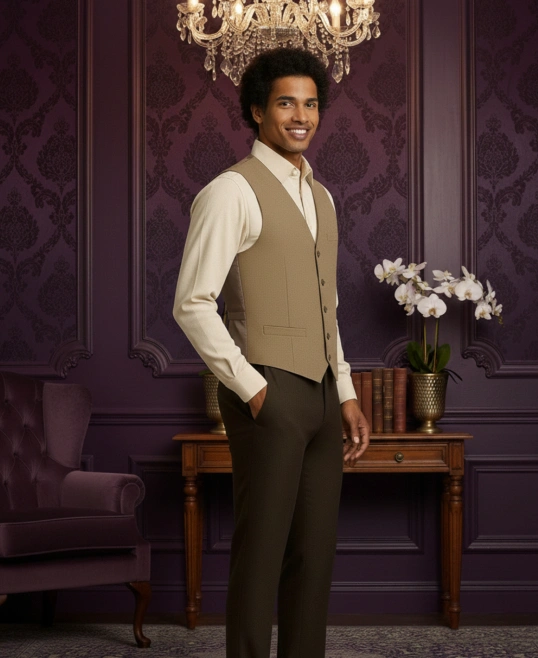
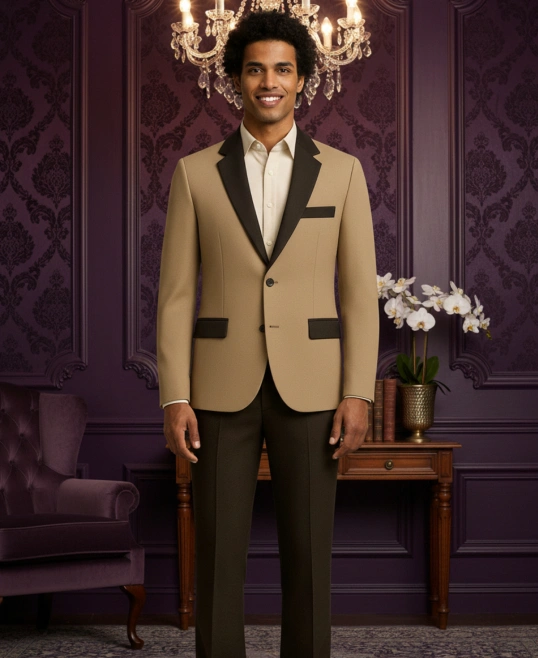
From guest-facing roles to operational teams. With breathable fabrics, refined silhouettes, and easy-care design, we ensure your team feels confident and looks the part — day in, day out

 Oil & Gas
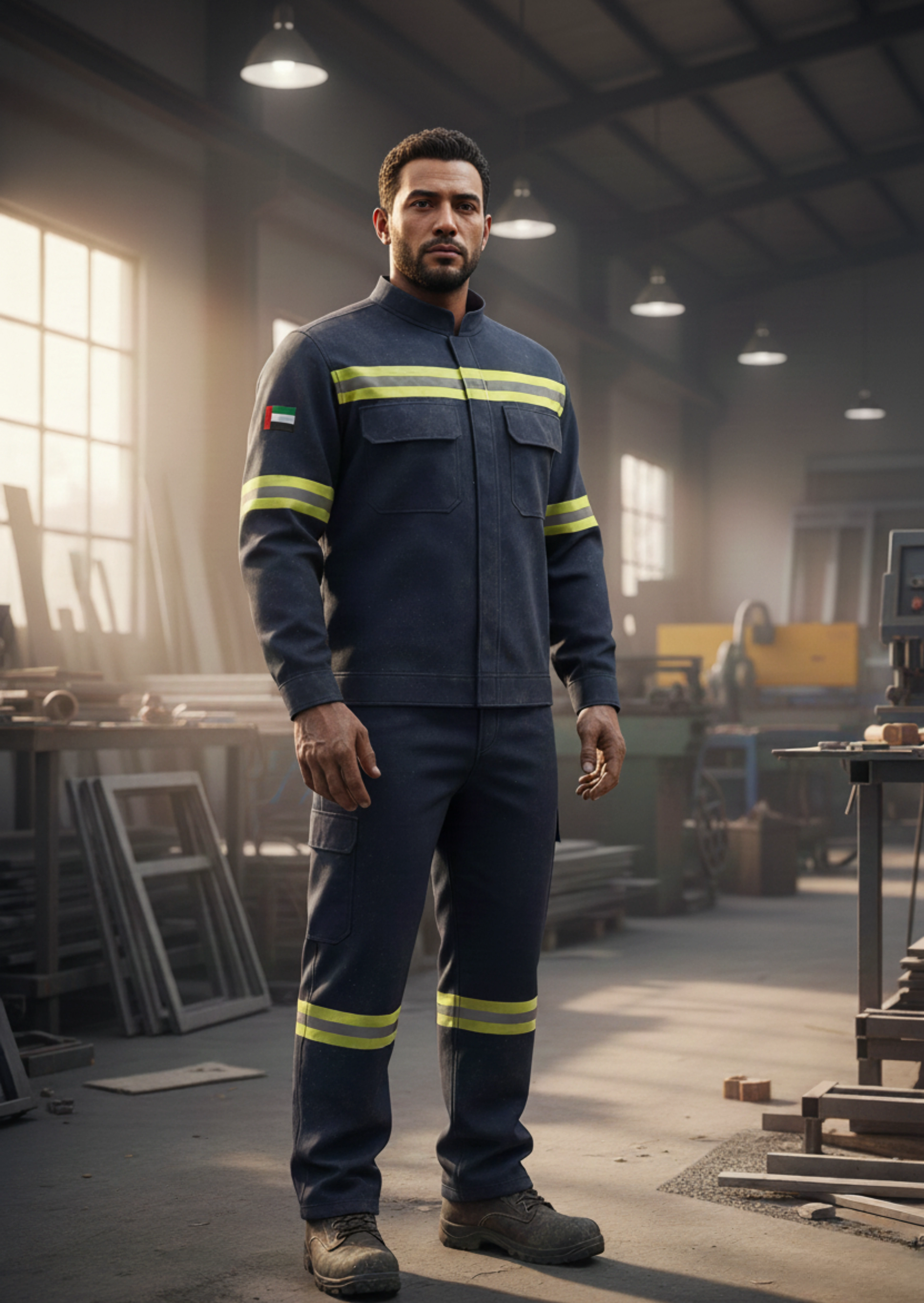
In oil and gas, failure isn’t an option. Ei delivers flame-resistant, anti-static, and durable uniforms engineered to meet strict safety regulations and harsh climate demands. Designed for long shifts, rough terrain, and critical tasks, our gear holds up where it matters most — in the field.


 Government
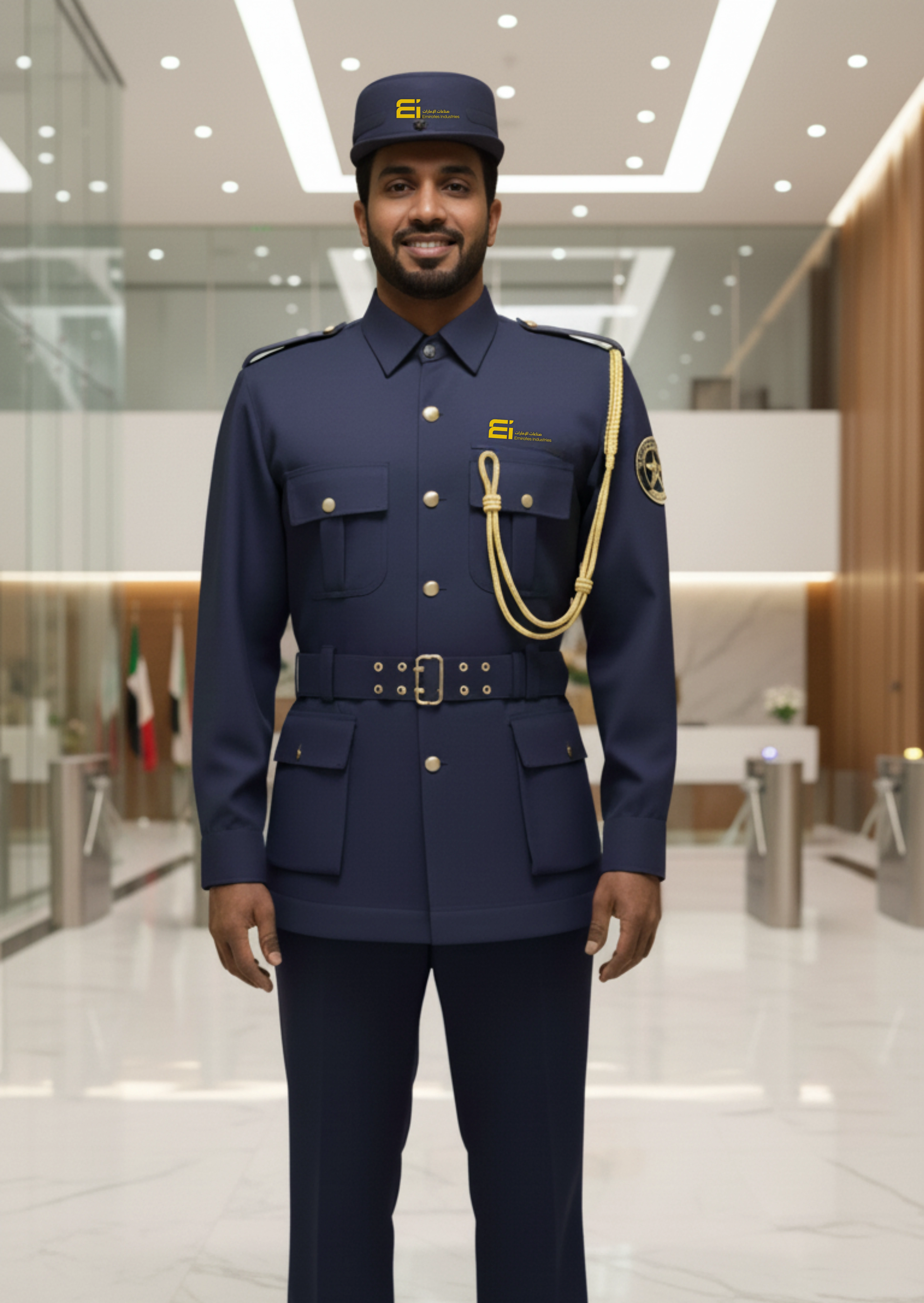
Public service uniforms carry the weight of representation. Ei creates clean, structured, regulation-compliant attire that reflects authority, reliability, and respect. We offer scalable solutions that uphold dignity in every detail.

The primary focus, supplying uniforms for students, staff, and administration.
Medical scrubs, lab coats, and PPE for hospitals and clinics