05 OCT 2026
A hotel uniform is more than a standard outfit worn by employees. It is part of the hotel's visual identity, influences how guests recognize different teams, and needs to support employees through long and often demanding working hours.
For hotels in Dubai, uniform planning also needs to account for the local working environment, different indoor and outdoor roles, frequent laundering, guest-facing standards, employee comfort and the operational requirements of each department.
This is why choosing a hotel uniform supplier in Dubai involves more than comparing garment prices. Hotels need a supplier that can understand different job functions, develop suitable designs, manage fabrics and sizing, coordinate samples, maintain production consistency and support future replacement orders.
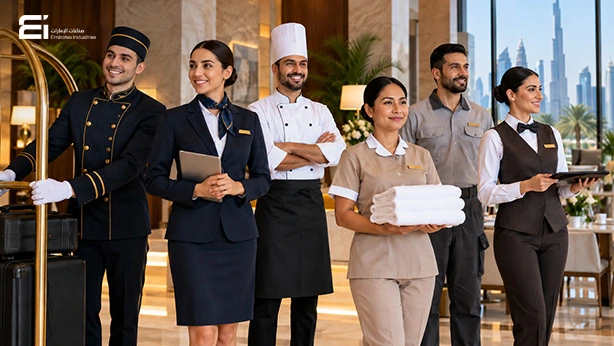
From reception and concierge teams to housekeeping, food and beverage, kitchen, engineering and management staff, each department can require a different combination of appearance, functionality and comfort.
This guide explains how hotels can approach uniform planning, what to consider when working with a uniform supplier, and how to build a consistent uniform programme for different hotel departments.
A hotel uniform supplier helps transform a hotel's operational and branding requirements into practical garments for different employee roles.
The scope can include much more than manufacturing finished clothing. Depending on the project, a hotel may require support with:
The exact requirements depend on the hotel's size, department structure, brand standards and employee numbers.
For a small boutique property, the uniform programme may involve a limited number of designs. A large hotel or resort, on the other hand, may need multiple uniform categories across guest services, food and beverage, housekeeping, kitchen, spa, engineering and other operational teams.
A capable supplier should therefore be able to manage the uniform programme as a complete project rather than treating every garment as an isolated order.
A hotel may have hundreds of employees performing completely different tasks.
A receptionist spends much of the day interacting with guests at the front desk. A chef works in a high-temperature kitchen. A housekeeping employee needs freedom of movement while performing physically active tasks. An engineer may require a more durable work garment for maintenance activities.
Giving every employee the same uniform design may therefore create practical problems.
Instead, hotels can establish an overall visual identity while adapting garments according to the requirements of individual departments.
For example, departments can be differentiated through:
The result is a uniform system that feels like one hotel brand while still allowing employees to work comfortably and effectively.
One of the most important parts of hotel uniform planning is identifying what each department actually needs.
Reception employees are among the first members of staff guests interact with, making their appearance an important part of the arrival experience.
Front-office uniforms may include:
The design should complement the hotel's positioning while allowing employees to remain comfortable throughout their shifts.
A business hotel may favour a structured and formal appearance, while a contemporary resort may use lighter colours, softer silhouettes or more relaxed styling.
Concierge and guest-services teams often move between different areas of the property and interact directly with guests.
Their uniforms should make them easily identifiable without looking disconnected from the hotel's overall design language.
Details such as jackets, waistcoats, accessories, badges and colour accents can help create a distinctive appearance while maintaining consistency with front-office uniforms.
Bell desk employees often work at the entrance, lobby and other guest-facing areas. Depending on the property, their uniforms may need to balance a formal appearance with greater freedom of movement.
Durable construction becomes particularly important where employees regularly handle luggage or spend significant time moving between indoor and outdoor areas.
Restaurants, cafes, lounges and banquet operations can have different uniform requirements within the same hotel.
Depending on the role, F&B uniforms can include:
A restaurant with an upscale dining concept may require a more formal design, whereas a casual outlet may use a simpler and more relaxed uniform.
The important consideration is that the clothing should work with the employee's actual responsibilities while fitting the atmosphere of the outlet.
Kitchen environments have very different requirements from guest-facing areas.
Chef and kitchen uniforms need to support movement, repeated washing and the demands of food preparation environments.
Depending on the operation, the uniform programme may include:
Fabric and construction choices should be based on the working environment rather than simply matching the appearance of front-of-house garments.
Housekeeping teams have physically active roles and require uniforms that allow comfortable movement during cleaning and room-service activities.
Important considerations about housekeeping uniforms can include:
Hotels can maintain the overall brand identity while developing housekeeping garments specifically around the requirements of the role.
Hotels with spas, wellness centres or beauty facilities may require a different visual approach.
The uniform may need to communicate cleanliness, calmness and professionalism while remaining practical for employees who work closely with guests.
Soft colour palettes, comfortable fabrics and clean silhouettes can be considered depending on the hotel's brand and spa concept.
Engineering teams have a different operating environment from front-office staff.
Their garments may need to prioritise:
The design should still remain consistent with the hotel's professional standards while meeting the practical demands of maintenance work.
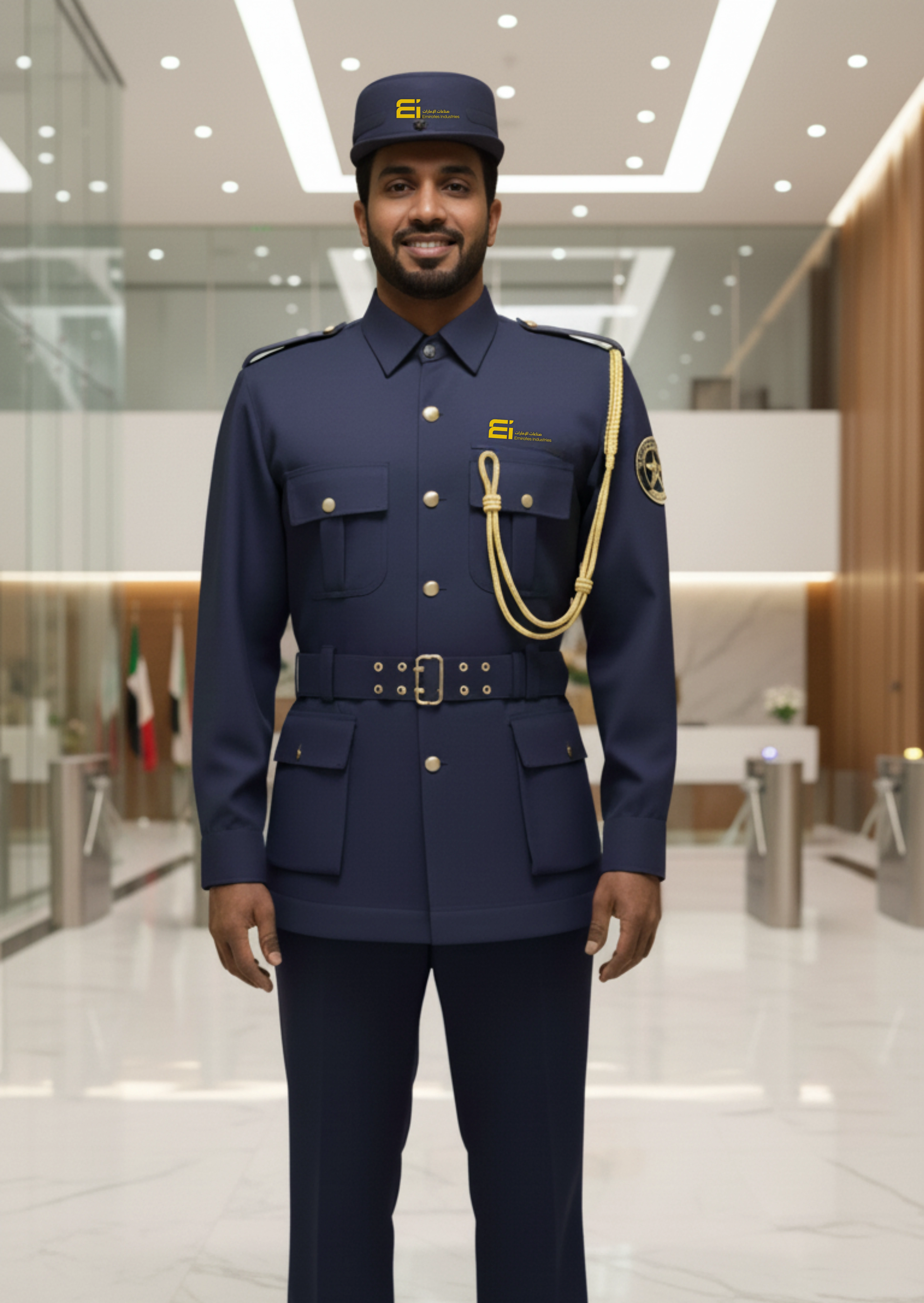
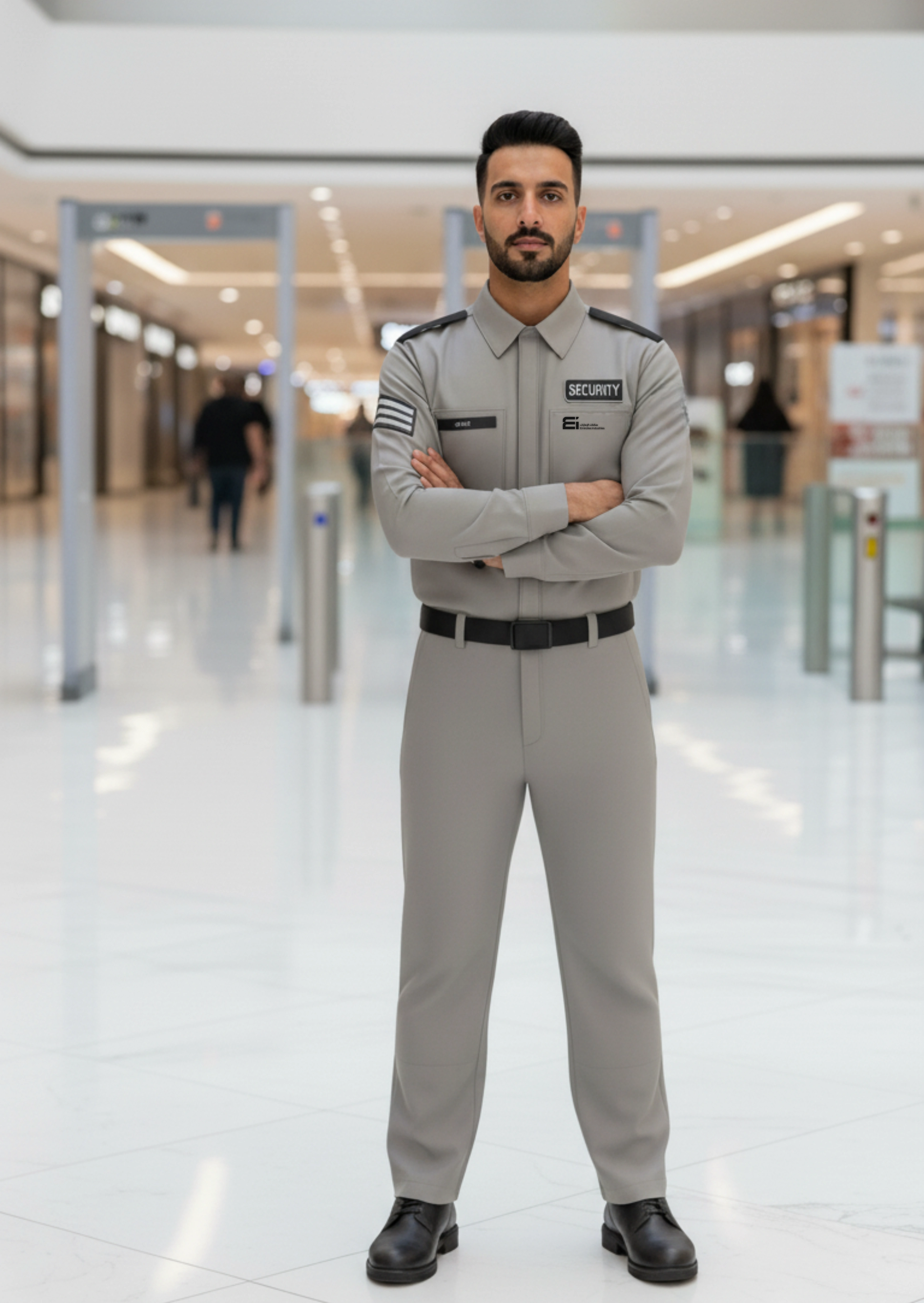
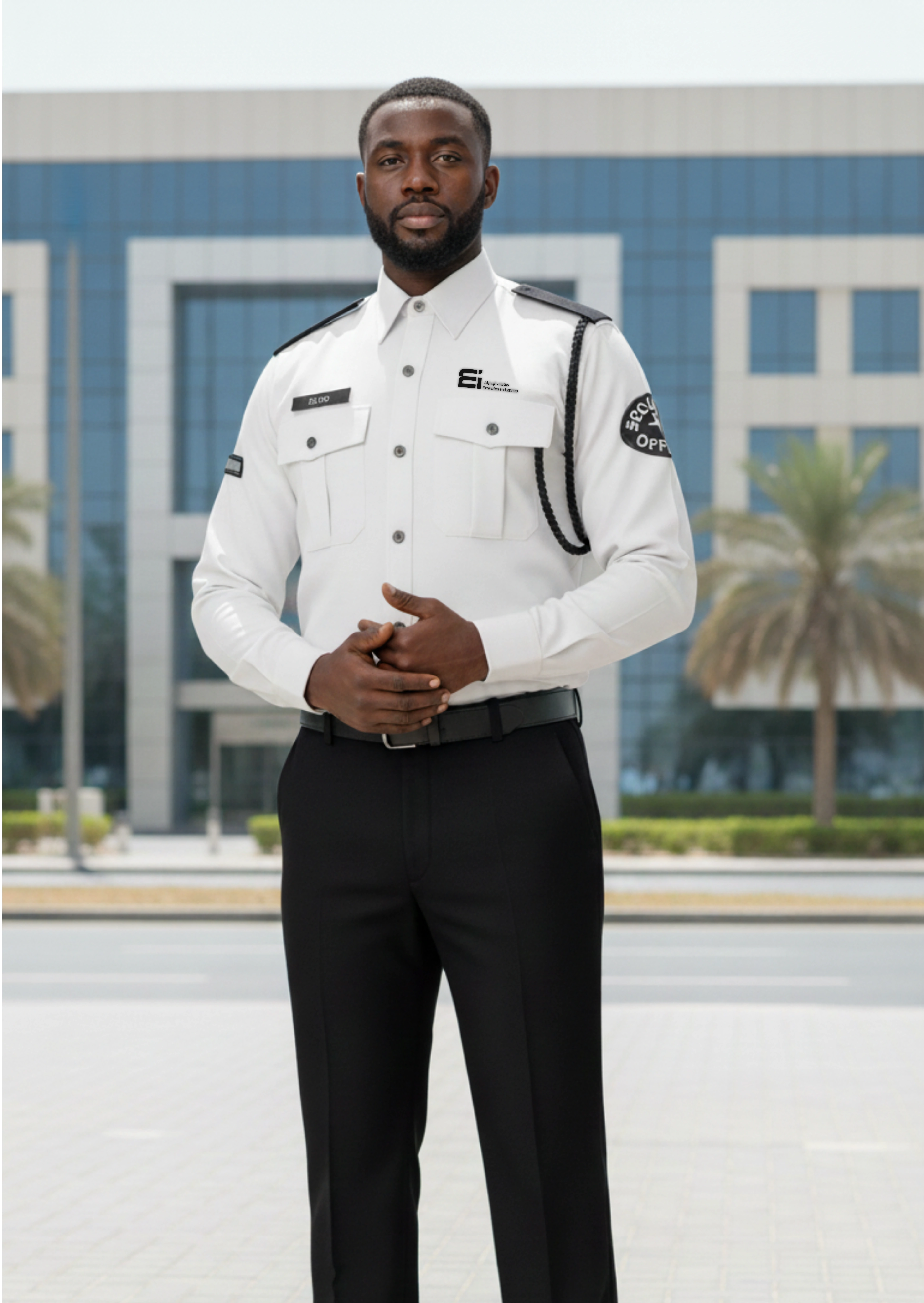
Security personnel need to be easily identifiable by guests and colleagues.
Their uniform requirements can involve role visibility, professional presentation, durability and practical design.
Any security-specific requirements should be established according to the hotel's operational procedures and applicable requirements.
Some hotels may also develop distinctive clothing for senior management or selected leadership roles.
These garments can use more formal cuts, premium finishes or subtle branding while remaining visually connected to the wider hotel uniform programme.
Before contacting a hotel uniform supplier in Dubai, it is useful to establish the basic requirements internally.
Start by creating a department-by-department list.
For each department, identify:
This gives the supplier a clearer understanding of the project. It also prevents a common problem in large uniform programmes: designing attractive garments without considering how those garments will actually be used.
Fabric selection should be based on the role rather than choosing one material for every department.
A hotel uniform may need to perform differently depending on whether it is worn in an air-conditioned reception area, a kitchen, a laundry environment or an outdoor guest-service role.
When evaluating fabric options, consider:
Dubai's climate also makes temperature and moisture management important considerations for employees who spend time outdoors or move between indoor and outdoor environments.
The right material is therefore the one that matches the role, maintenance process and expected use rather than simply being the most expensive option.
Not necessarily.
Using the same fabric throughout an entire hotel can simplify procurement, but it may not always provide the best functional result.
For example:
A hotel can still maintain visual consistency through colour, design elements, branding and accessories while selecting fabrics according to each department's needs.
Hotel uniforms are one of the many visual elements guests encounter during their stay. The uniform should work as part of the hotel's broader visual identity rather than simply displaying a logo.
Hotels can use custom branded uniforms to incorporate their brand colours, logo, garment styles, trims, and other design elements while maintaining a consistent appearance across different departments.
Before finalising a design, consider:
A luxury property may require a more refined visual language, while a lifestyle hotel may choose a more contemporary design.
The same principle applies across departments: uniforms can be different without appearing unrelated.
Samples are an important stage in a hotel uniform project. A design may look appropriate in a digital concept but behave differently when produced using the selected fabric.
A sample allows the hotel team to assess:
For larger hotel projects, sample approval should ideally happen before bulk production begins.
This reduces the possibility of discovering design or sizing problems after hundreds or thousands of garments have already been manufactured.
A uniform that looks good but does not fit properly can create problems for employees.
For large hotel teams, the sizing process should therefore be planned rather than relying entirely on standard size labels.
A fitting programme may involve:
The objective is to achieve a consistent appearance without compromising employee comfort.
Uniform quantities should account for more than the number of employees.
Hotels may need to consider:
For example, a department with frequent garment changes may require a different quantity strategy from a team whose uniforms are used less intensively.
Planning these requirements in advance can also reduce the need for urgent replacement orders.
A hotel uniform programme can continue for years after the initial order.
Employees join and leave. Garments become worn or damaged. Departments expand. New outlets open.
If uniform specifications are not properly documented, repeat orders can gradually become inconsistent.
Hotels should maintain records of approved:
This gives the supplier a clear reference when producing future batches. Maintaining these specifications is particularly important when a hotel wants a new batch to look identical to uniforms produced months or years earlier.
Uniform planning should begin well before a new hotel opens. A new property may need to coordinate uniforms with recruitment, staff training, photography, pre-opening events and the final preparation of guest areas.
A practical sequence could be:
Starting this process early gives the hotel greater flexibility if a design or fitting issue needs to be corrected.
There is no universal price for hotel uniforms because each project has different requirements.
The final cost may depend on:
Hotels should consider long-term value rather than comparing suppliers solely by unit price. For hotels, it can be more useful to consider the complete uniform programme, including durability, replacement frequency, consistency and future reorder requirements.
Hotels can manage uniform expenditure without reducing the quality of the programme by planning carefully.
Consider:
Before selecting a supplier, hotels should ask questions that relate directly to their operational requirements.
A hotel may require several garment categories at the same time, so the supplier should understand how these requirements can be coordinated.
Different roles may require different levels of formality, functionality and fabric performance.
Sample approval provides an opportunity to identify problems before full production.
Ask whether the supplier can support measurements, fittings, size charts and alterations.
This is particularly important for hotels that expect ongoing replacement and staff expansion.
Ask about quality checks, approved specifications and processes for repeat orders.
The timeline should account for design, sampling, fitting, approval, production and delivery rather than only the manufacturing stage.
Reliability should be assessed across the complete project. A supplier may deliver the first order successfully but still struggle with future reorders or large-scale requirements.
Look for consistency in:
For a hotel, this ongoing consistency can be more valuable than simply completing one initial order.
At Emirates Industries, we provide customised hotel uniform solutions designed around your brand identity, department requirements, and employee needs. With in-house design, development, and manufacturing capabilities in Dubai, we manage key stages of the process, from fabric selection and design development to customisation and production.
Our manufacturing facility in Dubai is equipped to support both customised and large-volume uniform requirements. We also understand that hotels need uniforms beyond the initial order, whether for new employees, replacements, or expanding departments. Our solutions are designed to help maintain consistency across future orders.
Whether you are preparing for a new hotel opening, refreshing your existing uniforms, or developing uniforms for multiple departments, Emirates Industries can help create practical, professional, and brand-aligned uniform solutions tailored to your hotel.
Before placing a hotel uniform order, review the following:
Requirement |
What to Confirm |
| Department coverage | All roles requiring uniforms are identified |
| Design | Each garment supports the role and hotel identity |
| Fabric | Materials match the working environment |
| Branding | Logo, colours and other elements are correctly specified |
| Samples | Samples are reviewed before bulk production |
| Fitting | Employee sizing has been properly assessed |
| Quantities | Initial and replacement requirements are considered |
| Production | Timeline is realistic for the hotel's schedule |
| Quality | Finished garments are inspected |
| Reorders | Approved specifications can be reproduced |
| Replacement | A clear process exists for future requirements |
| Communication | Responsibilities and approvals are clearly defined |
Planning uniforms for a new hotel, resort or existing hospitality property requires more than selecting garments from a catalogue. The right uniform programme should bring together design, employee requirements, fabric performance, sizing, branding, production and long-term replacement needs.
Emirates Industries provides uniform design and manufacturing solutions in Dubai, with in-house development and production capabilities for organisations across multiple sectors.
If you are planning a hotel uniform programme, you can contact Emirates Industries to discuss your requirements, department structure, design preferences and production needs.
What should I look for in a hotel uniform supplier in Dubai?
Look for a supplier that can understand different hotel departments, develop role-specific designs, provide appropriate fabrics, support sampling and sizing, manage production and maintain consistency for future orders.
Can one supplier provide uniforms for an entire hotel?
Yes. A supplier with suitable manufacturing and development capabilities may be able to coordinate uniforms for multiple departments, from guest-facing teams to operational staff.
What uniforms does a hotel usually need?
Requirements vary by property, but departments may include front office, concierge, bell desk, food and beverage, kitchen, housekeeping, spa, engineering, security and management.
How should hotels choose uniform fabrics?
Choose fabrics according to the employee's role, working environment, frequency of use, washing requirements, comfort needs and desired appearance rather than selecting one material for every department.
Should hotel uniforms be customised?
Customisation can help a hotel create a consistent visual identity. Elements may include colours, logos, trims, embroidery, accessories and department-specific details.
Why are samples important before ordering hotel uniforms?
Samples allow the hotel to evaluate the actual fabric, fit, colour, construction and branding before bulk production begins.
How can hotels maintain uniform consistency during reorders?
Keep documented specifications for fabrics, colours, designs, measurements, branding and accessories. These records can be used as references for future production.
How early should a new hotel start planning uniforms?
The timeline depends on the size and complexity of the project. New hotels should allow sufficient time for design development, fabric selection, sampling, fittings, approval, production, quality checking and distribution.
Can hotel uniforms be designed differently for each department?
Yes. Department-specific designs can accommodate different responsibilities while maintaining a common hotel identity through coordinated colours, branding and design elements.
How can hotels reduce the long-term cost of uniforms?
Focus on appropriate quantities, durable materials, consistent specifications, planned replacement requirements and reliable repeat production rather than choosing solely on the initial price per garment.
 Schools
A school uniform is more than a dress code, it shapes behavior, unity, and discipline. Ei delivers well-fitted, breathable, and durable uniforms for students and staff alike. Designed with identity in mind and built to withstand the energy of young learners.



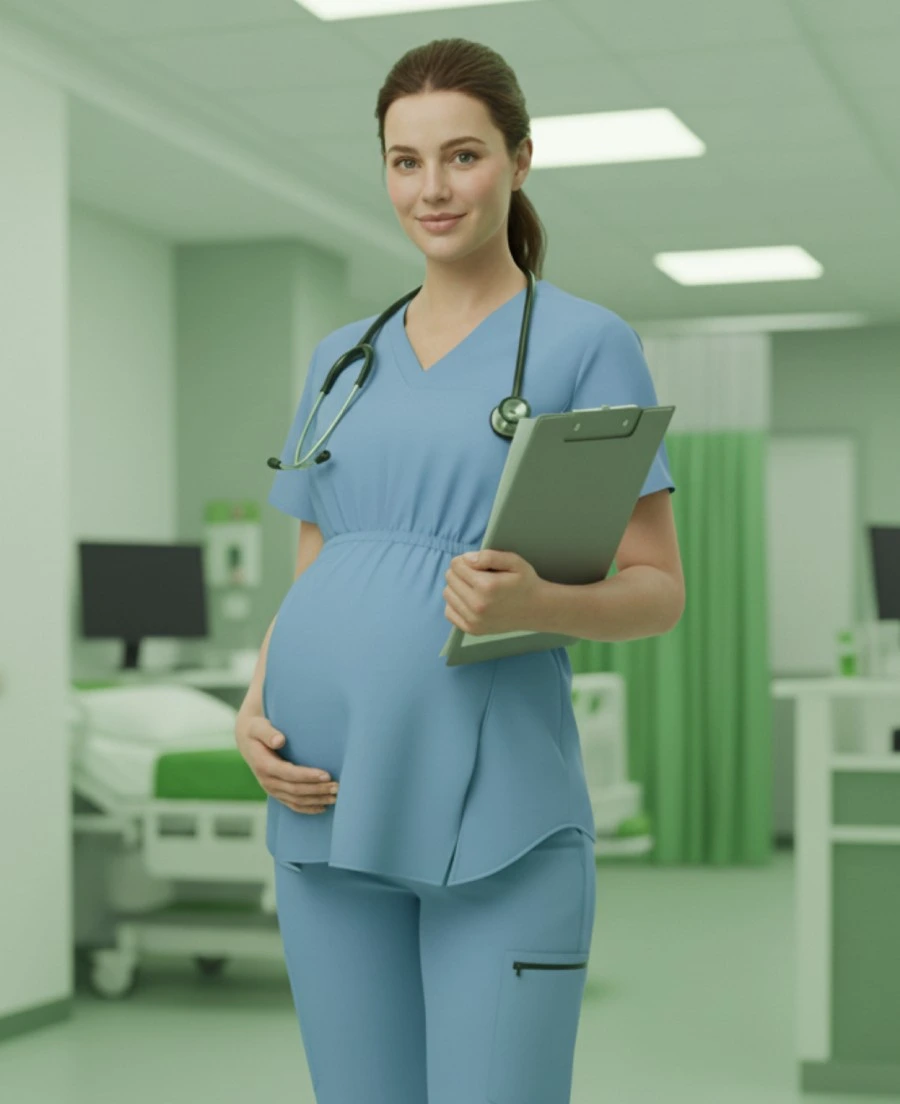
 Healthcare
In healthcare, movement is constant and hygiene is non-negotiable. Ei provides uniforms that are breathable, antibacterial, made for long hours on your feet. We ensure comfort without compromise so your team can focus on what matters: care


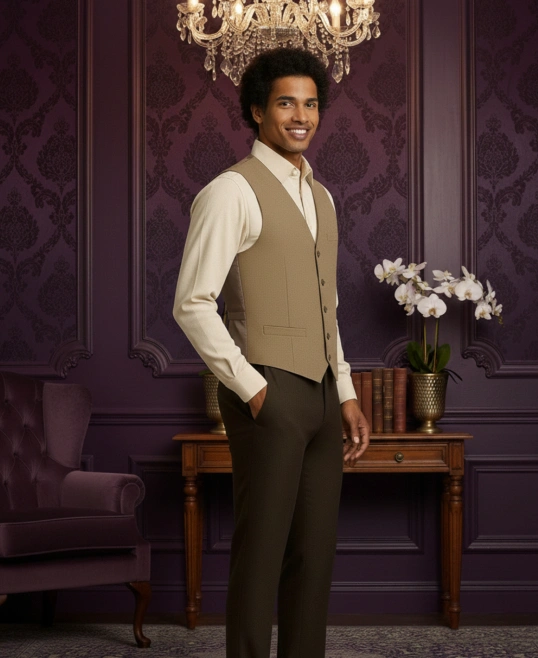
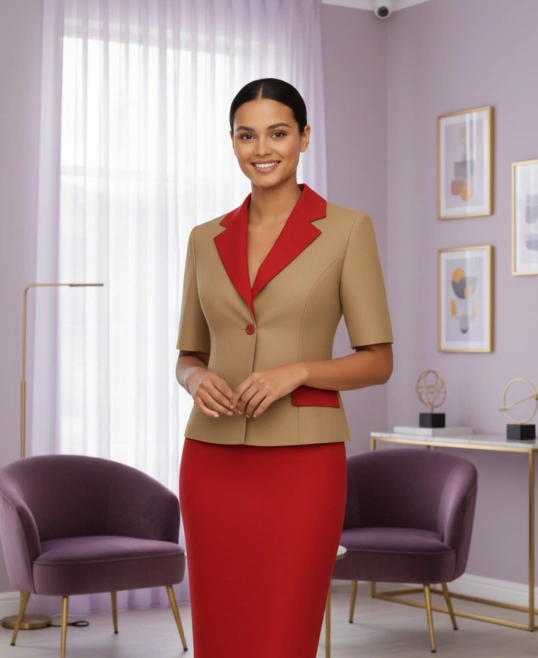
 Hospitality
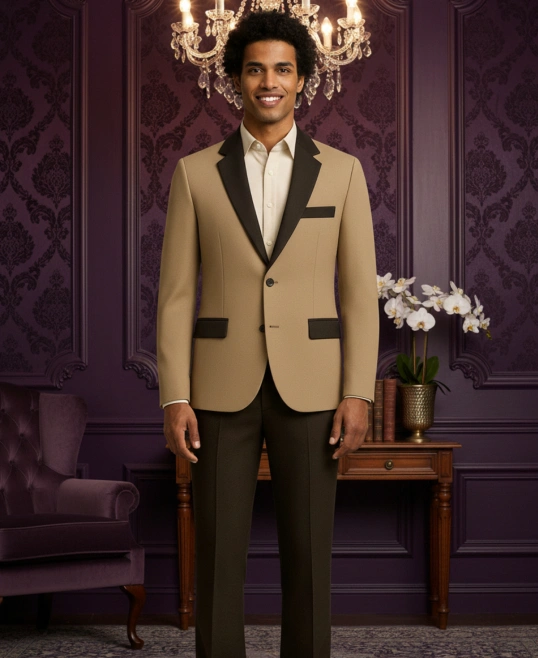
From guest-facing roles to operational teams. With breathable fabrics, refined silhouettes, and easy-care design, we ensure your team feels confident and looks the part — day in, day out
 Oil & Gas
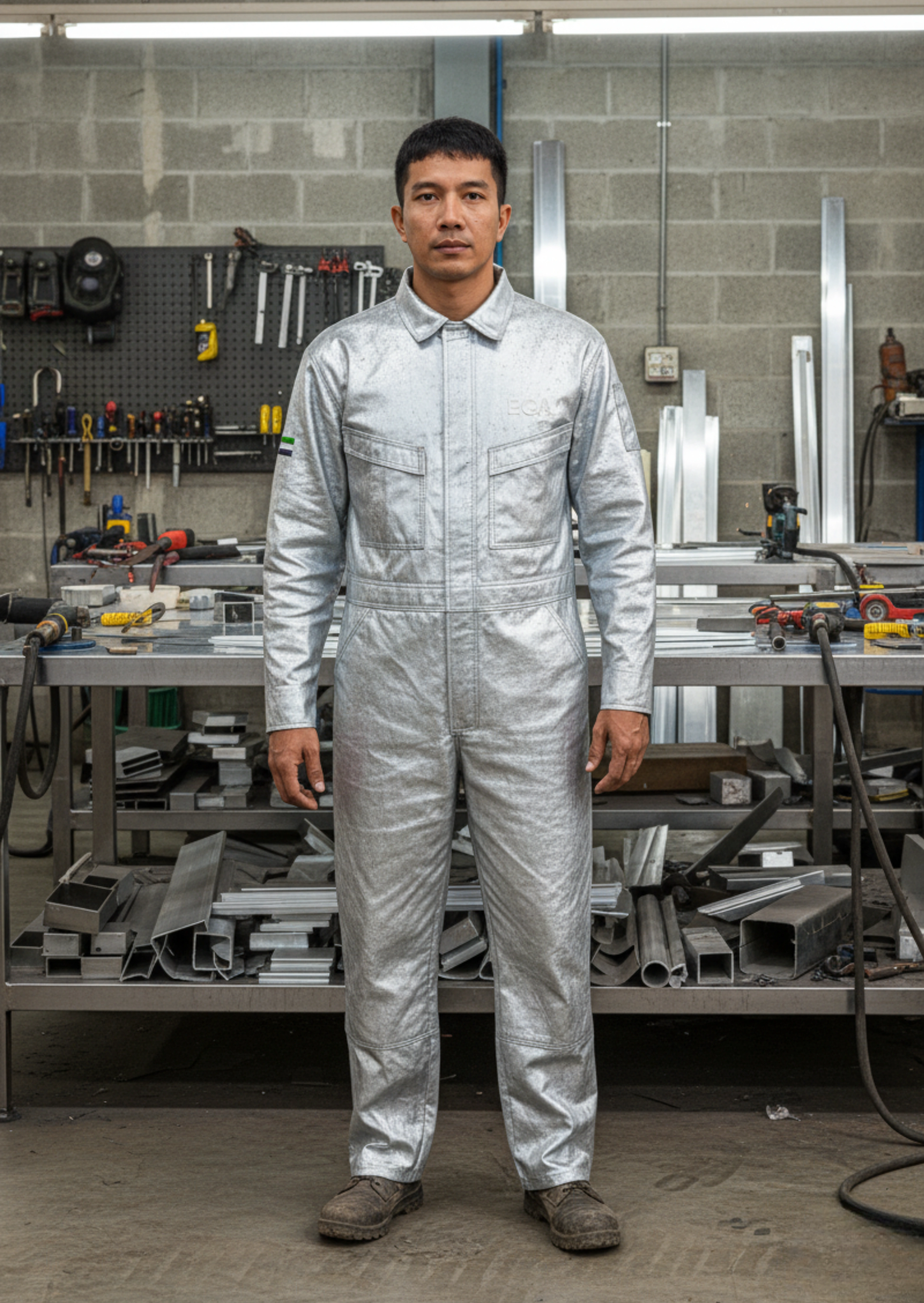
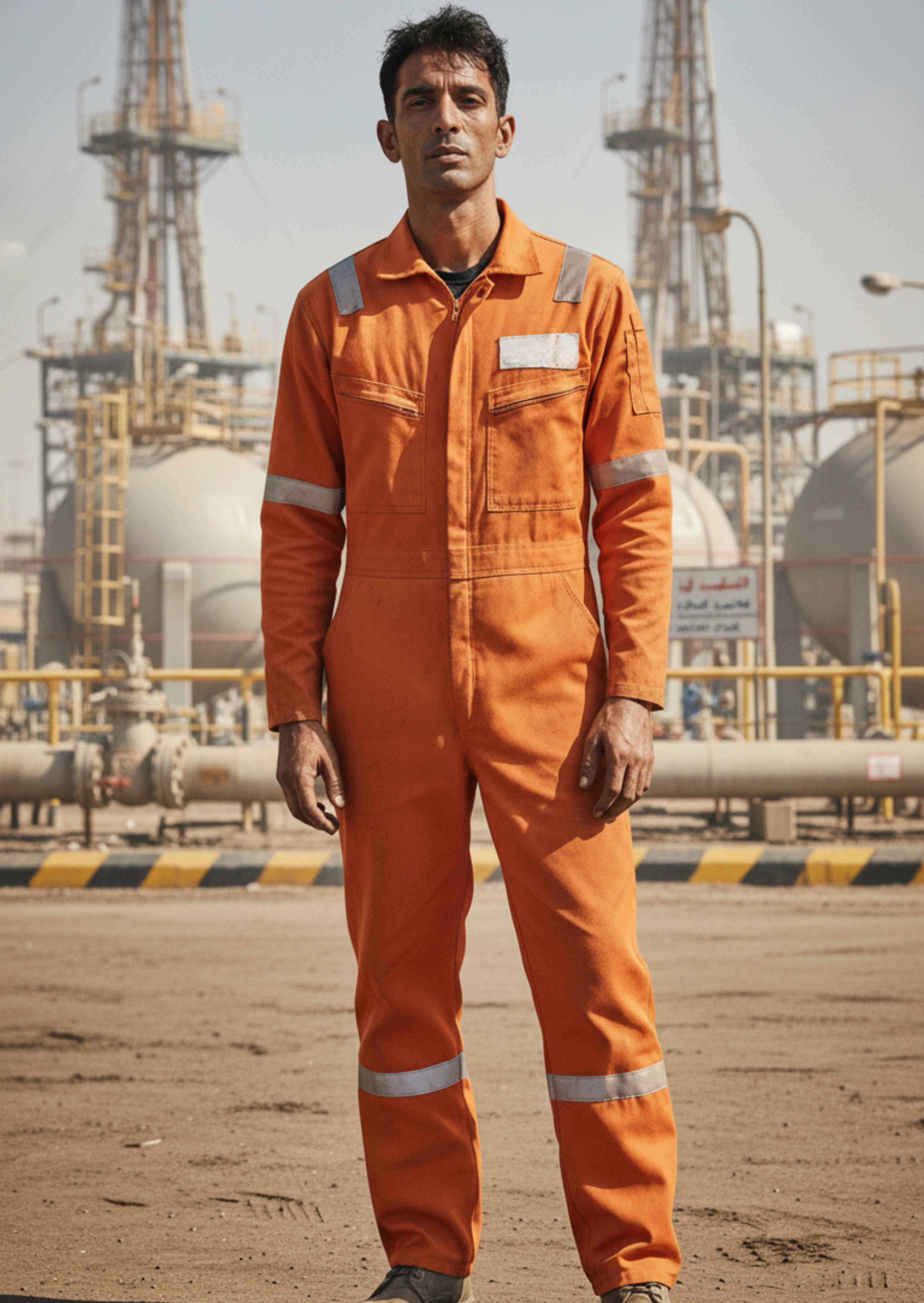
In oil and gas, failure isn’t an option. Ei delivers flame-resistant, anti-static, and durable uniforms engineered to meet strict safety regulations and harsh climate demands. Designed for long shifts, rough terrain, and critical tasks, our gear holds up where it matters most — in the field.
 Government
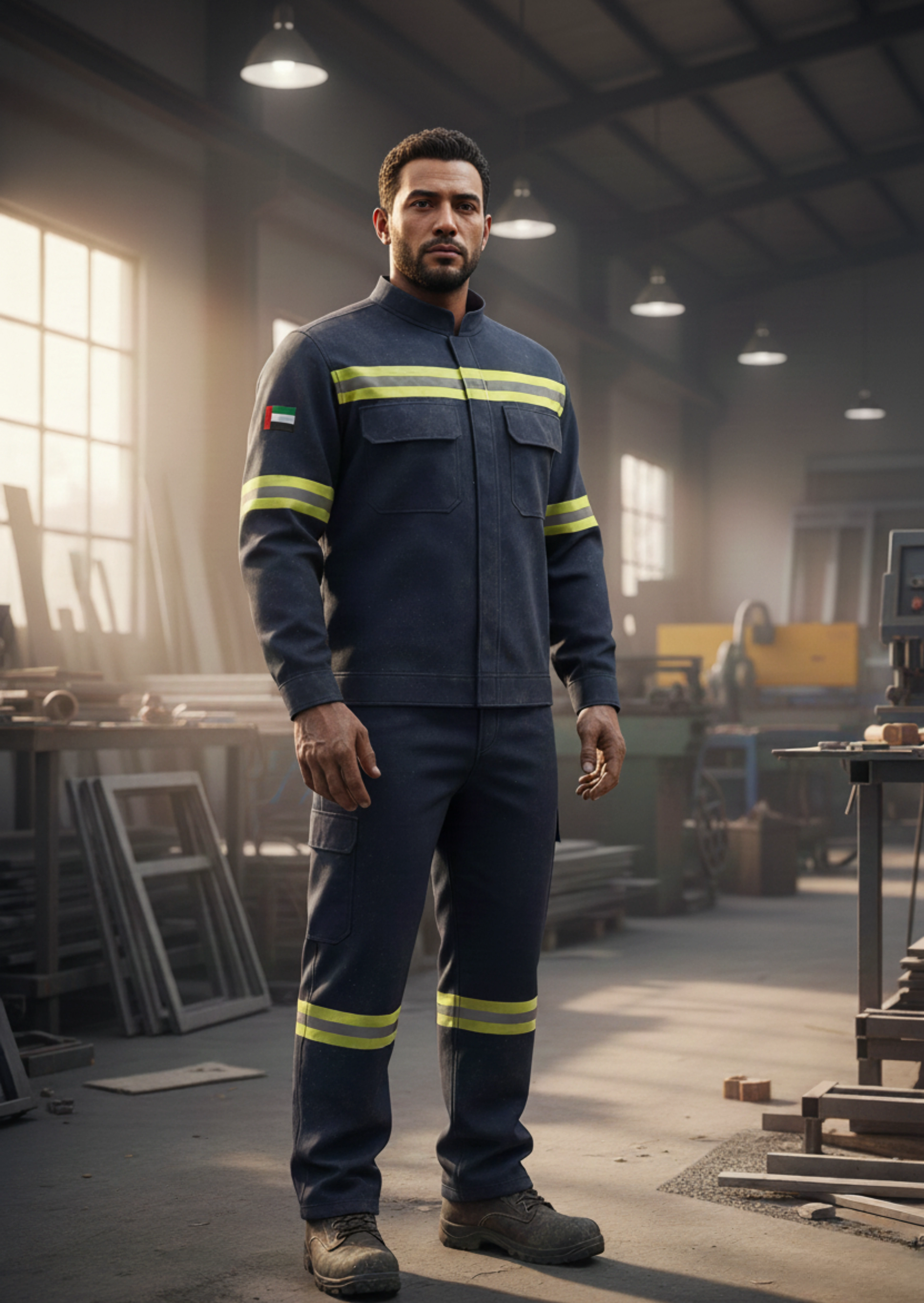
Public service uniforms carry the weight of representation. Ei creates clean, structured, regulation-compliant attire that reflects authority, reliability, and respect. We offer scalable solutions that uphold dignity in every detail.
The primary focus, supplying uniforms for students, staff, and administration.
Medical scrubs, lab coats, and PPE for hospitals and clinics