17 SEP 2026
For businesses operating in construction, manufacturing, logistics, maintenance, facilities management and other labour-intensive sectors, uniforms are part of everyday operations. Employees may wear the same workwear for long shifts, frequent movement, outdoor work and repeated washing. That makes the choice of uniform more important than simply selecting a colour or design.
A suitable labour uniform needs to balance comfort, durability, practicality, appearance and the requirements of the job. At the same time, businesses need a supplier that can manage different sizes, quantities, branding requirements, repeat orders and changing workforce needs.
With many labour uniform suppliers in the UAE offering different products and services, how do you decide which one is right for your business?
This guide answers the most important questions to consider before choosing a supplier and ordering labour uniforms for your workforce.
The right supplier should be able to understand your workforce rather than simply offer a standard uniform from a catalogue.
Before making a decision, consider the following:
Start by identifying who will wear the uniforms and what their working day involves. A construction worker, warehouse employee, maintenance technician and facility-cleaning team may all need different features.
Consider:
This gives the supplier a clearer brief and helps avoid selecting a uniform that looks appropriate but does not perform well in practice.
Ask whether the supplier manufactures the uniforms, sources them from manufacturers or provides a combination of both. This can affect the level of customization, quality control, production consistency and ability to handle repeat orders.
For larger workforce requirements, also ask about production capacity and how the supplier maintains consistency between batches.
The fabric is only one part of uniform quality. Stitching, seams, buttons, fasteners, pocket construction and finishing can all affect how a garment performs during daily use.
If possible, request a sample before approving a large order.
Your first order is unlikely to be your last. Employees may join or leave, garments may become worn or damaged, and new sites may open.
A supplier that can maintain your approved specifications for future orders can make replacement and replenishment much easier.
Price matters, but it should be considered alongside durability, comfort, customization, delivery, quality consistency and after-sales support.
A lower initial price does not necessarily mean a lower overall cost if the uniforms require frequent replacement.
When comparing labour uniform suppliers in the UAE, look beyond the product photograph or initial quotation.
A reliable supplier should ideally provide:
Industry understanding: They should understand the practical requirements of labour-intensive roles.
Suitable fabric choices: The supplier should be able to recommend materials based on climate, activity and expected wear.
Consistent manufacturing: Uniforms ordered at different times should remain reasonably consistent in colour, fit, fabric and design.
Customization: If your business requires branded workwear, the supplier should be able to accommodate appropriate logo placement, colours and other branding elements.
Sizing support: Large workforces need more than a generic size chart. Measurement and fitting guidance can help reduce sizing problems.
Production capacity: The supplier should be able to fulfil the quantity you require without compromising consistency.
Clear timelines: You should understand the expected sampling, production and delivery stages before approving the order.
Reorder support: Future replacements should be manageable without redesigning the entire uniform programme.
These factors are particularly important for companies purchasing uniforms for large or distributed workforces.
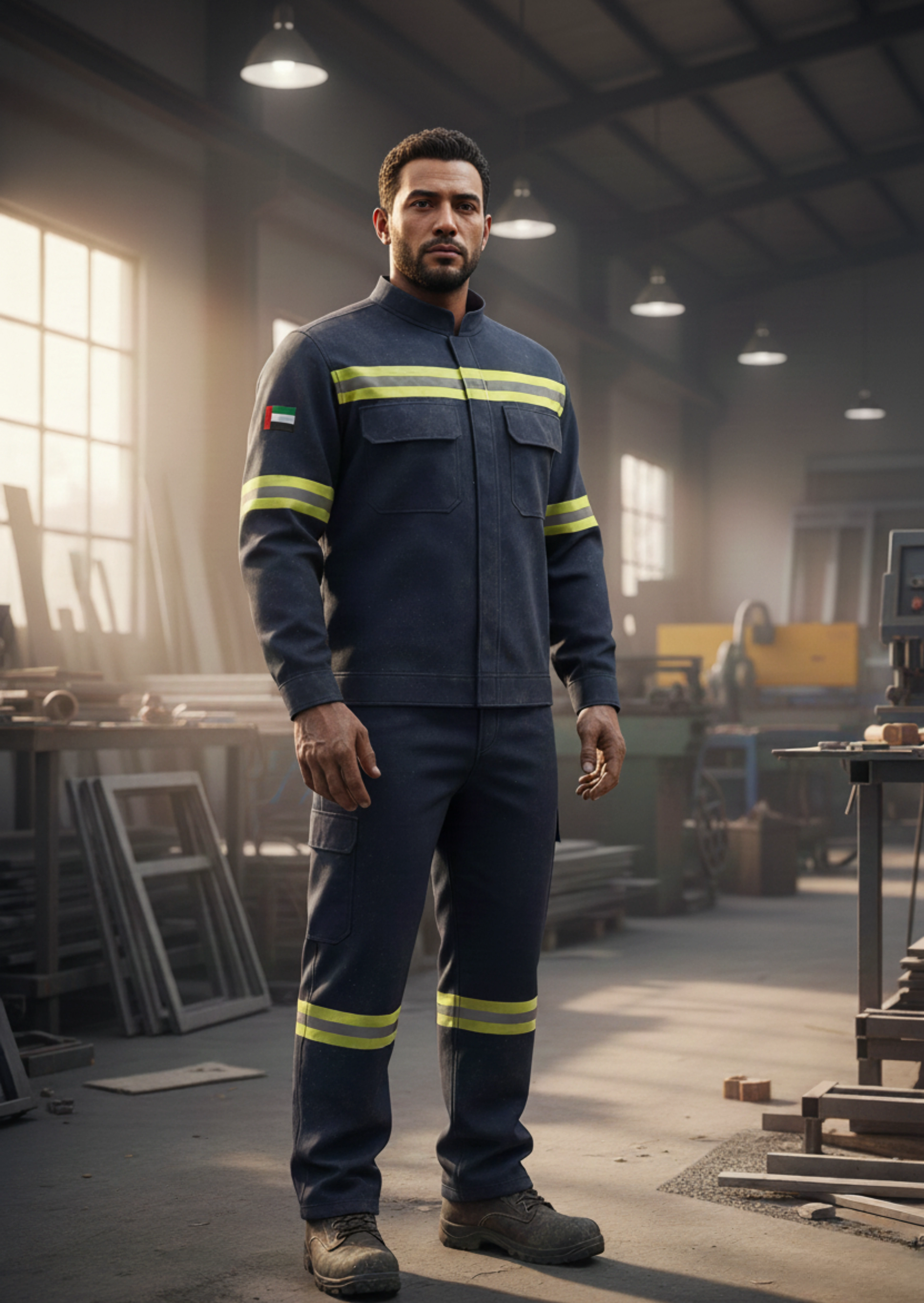
There is no single labour uniform suitable for every workplace. Depending on the industry and job role, businesses may require different combinations of shirts, trousers, coveralls, jackets, vests and other workwear.
A shirt-and-trouser combination is commonly suitable for many general labour, maintenance, cleaning, logistics and service roles.
The advantage is flexibility. Individual pieces can be replaced separately, and the design can be adapted to different work environments.
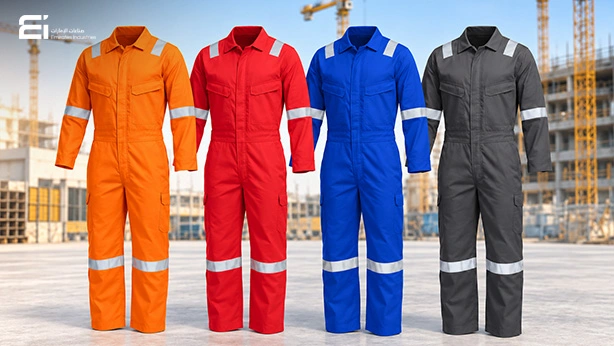
Coveralls provide greater body coverage and are commonly considered for industrial, engineering, maintenance and other physically demanding roles.
The design can include practical features such as multiple pockets, reinforced areas and suitable closures depending on the application.
Employees working around vehicles, machinery, construction activity or other visibility-sensitive environments may require high-visibility garments.
High-visibility requirements should be determined by the actual workplace risk assessment and applicable safety requirements rather than simply choosing a brightly coloured garment.
Some workplaces require additional layers for specific environments or working conditions. These can be designed to complement the primary uniform while maintaining a consistent company appearance.
Businesses may also choose to incorporate company logos, colours, employee names or department identifiers into labour uniforms. The branding should remain practical and durable enough for the garment's expected use.
Labour uniforms are used across a wide range of UAE industries.
Construction teams often work outdoors and may experience heat, dust, physical movement and contact with equipment or materials. Their clothing therefore needs to be practical and appropriate for the work environment.
Where site risks require additional protection, specialized safety garments should be selected according to the relevant requirements.
Factory employees may need uniforms designed for repetitive movement, machinery environments and frequent laundering. The design should consider the specific activities performed within the facility.
Warehouse and logistics teams often move continuously throughout their shifts. Practical pockets, comfortable fits and suitable visibility can be important depending on the working environment.
Technicians and maintenance personnel may move between different areas and perform a variety of tasks. Their uniforms should provide sufficient freedom of movement while maintaining a professional appearance.
Cleaning teams need garments that can withstand regular washing and everyday movement. Easy-care and durable materials can be useful for these roles.
Engineering teams may require more specialized workwear depending on the machinery, equipment, materials and environmental conditions involved.
The important point is that the uniform should be selected around the job, rather than selecting the job around a generic uniform.
There is no single fabric that is best for every labour uniform.
The right material depends on the job, climate, frequency of washing, desired durability and whether the garment needs specific protective properties.
Cotton is known for its softness and breathability and can be comfortable for general workwear. However, the suitability of pure cotton depends on the working environment and required performance characteristics.
Polyester is valued for durability, quick drying and resistance to wrinkling. It can be useful in workwear where easy maintenance and repeated use are priorities.
A blend can combine some of the comfort characteristics of cotton with the durability and easy-care properties of polyester. This makes blended fabrics a practical option for many general workwear applications.
For employees working in physically demanding or warm environments, fabrics designed to manage moisture can improve wearing comfort.
Certain jobs may require specialized protective fabrics because of exposure to heat, flames or other hazards.
These should not be selected simply because they are described as “industrial” or “heavy duty.” The material should correspond to the actual hazard and applicable requirements.
Emirates Industries' own fabric guidance similarly emphasizes that fabric selection should be based on factors such as climate, industry, durability and the working environment rather than treating one material as suitable for every uniform.
Comfort is particularly important when uniforms are worn for long shifts. An employee who spends several hours in uncomfortable, restrictive or heat-trapping clothing is unlikely to have a positive experience with the uniform.
When evaluating comfort, consider:
A uniform should allow the wearer to perform normal tasks without unnecessary restriction.
Breathability is also important in the UAE climate, but it should not be considered in isolation. A very lightweight fabric may not be appropriate for a role where abrasion resistance or durability is more important. The best solution is therefore a balance between comfort and performance.
For many businesses, yes. A company logo can help employees become easily identifiable and create a consistent appearance across different sites or departments.
Customization can include:
However, branding should not interfere with the functional purpose of the uniform. For example, if a garment needs reflective areas for visibility, those requirements should take priority over decorative branding.
The placement, size and method of branding should also be selected according to the fabric and expected washing conditions.
Emirates Industries provides customization options including embroidery, screen printing, heat-transfer printing, patches, names and department identifiers as part of its broader uniform manufacturing capabilities.
The terms are sometimes used interchangeably, but they do not necessarily mean the same thing.
Labour uniforms generally refer to work clothing provided to employees for professional appearance, identification, comfort and everyday practical use.
Safety workwear, on the other hand, is designed to address specific workplace hazards or protective requirements.
For example, depending on the work environment, safety clothing may involve:
A standard labour uniform should not automatically be treated as protective equipment. If employees are exposed to a particular workplace hazard, the business should identify the required protective clothing based on the applicable risk assessment, regulations and standards.
Emirates Industries also distinguishes industrial uniforms and safety wear according to workplace hazards, with examples including construction, manufacturing, logistics and maintenance environments.
The cost of labour uniforms varies considerably, so quoting a single “standard” price can be misleading.
The final cost may depend on:
For example, a basic two-piece uniform will have different production requirements from a customized coverall with specialized fabric and additional features.
When comparing quotations, ask each supplier to clearly specify what is included.
Instead of asking only:
“What is the price per uniform?”
also ask:
“What exactly is included in this price, and what will the uniform cost to maintain and replace over time?”
That gives you a better basis for comparing values.
The answer depends on the number of employees, working schedules, laundry arrangements and replacement policy.
A useful starting point is to consider:
Number of employees × uniforms required per employee + replacement stock
You may need additional stock for:
For a large workforce, it can also be useful to separate the order by department, location, job role and size.
This makes distribution and future reordering easier. Avoid ordering only the exact number of employees unless your operational process makes that practical. A small reserve can prevent unnecessary urgent orders later.
Sizing is easy to underestimate when ordering uniforms for hundreds of employees. A garment that fits one employee well may not work equally well for another employee with a different body shape or working requirement.
Before bulk production, consider:
Fit is not simply about appearance. Employees need enough freedom of movement to perform their work comfortably.
For large workforce programmes, a structured measurement process can significantly reduce problems after production.
There is no universal production time for labour uniforms.
Lead time depends on:
A custom bulk order normally requires more planning than purchasing ready-made garments.
A typical procurement process may include:
Requirement discussion → Design → Fabric selection → Sample → Fitting → Approval → Production → Quality checking → Delivery
Ask the supplier for a realistic timeline before approving the order rather than assuming that production can begin immediately.
This is especially important for companies preparing for a new project, opening a new facility or onboarding a large workforce.
Before selecting a supplier, ask questions that reveal how well they can support your actual requirements.
The answers to these questions can tell you much more about a supplier than a catalogue alone.
Choosing the cheapest quotation: A low initial price may look attractive, but it does not necessarily represent the lowest long-term cost.
Using one fabric for every role: Different jobs have different requirements. What works for an indoor warehouse team may not be suitable for outdoor construction workers.
Ignoring the UAE climate: Heavy or poorly breathable uniforms can become uncomfortable during extended use in warm conditions.
Ordering without samples: A photograph or digital design cannot always show how the actual garment will fit or perform.
Forgetting replacement requirements: Your workforce will change. Plan for future replacements rather than treating the initial order as a one-time purchase.
Ordering without a sizing process: A large workforce with inconsistent measurements can create unnecessary alteration and replacement issues.
Confusing uniforms with protective clothing: A standard labour uniform should not be assumed to provide protection against a specific workplace hazard.
Focusing only on appearance: A uniform needs to look professional, but it also needs to allow employees to perform their work comfortably.
Not documenting specifications: Keep records of the approved fabric, colour, design, branding, measurements and other specifications so future orders can remain consistent.
Before selecting your supplier, use this checklist:
Factor |
What to Check |
| Industry Experience | Experience with your type of workforce |
| Fabric | Comfort, durability and climate suitability |
| Work Environment | Indoor, outdoor, heat, dust or other conditions |
| Functionality | Pockets, movement and role-specific features |
| Safety | Any specific protective requirements |
| Customization | Logo, colours and other branding |
| Samples | Availability before bulk production |
| Sizing | Size range, measurements and fitting |
| Production | Capacity for your required quantity |
| Quality Control | Inspection and consistency processes |
| Lead Time | Sampling, production and delivery timeline |
| Reordering | Ability to reproduce approved uniforms |
| Replacement | Support for damaged or additional garments |
| Pricing | Complete cost rather than unit price alone |
| Communication | Clear and responsive coordination |
A supplier that performs well across these areas is more likely to support your workforce over the long term.
Choosing a labour uniform supplier is ultimately about finding a partner that understands the relationship between workwear, workforce requirements, durability, comfort and business operations.
Emirates Industries has been manufacturing uniforms in the UAE for more than four decades and describes its approach as designing role-specific uniform solutions for sectors including industrial workplaces, oil & gas, security, aviation, healthcare, hospitality and government. Its manufacturing and design operations are based in Dubai, allowing the company to manage design, development and production under one operation.
For labour and industrial workwear, this approach allows businesses to consider factors such as:
Emirates Industries also operates an in-house design and manufacturing setup, with its industrial uniform offering focused on durability, comfort and workplace performance.
For businesses managing large workforces, choosing a manufacturer that can understand the requirements before production begins can make the entire uniform procurement process more straightforward.
Whether you need uniforms for construction workers, maintenance teams, logistics employees, industrial staff or another labour-intensive workforce, the right workwear should be selected around the actual requirements of the job.
Emirates Industries can help you develop uniform solutions based on your workforce, working environment, branding and operational requirements.
Get in touch with Emirates Industries to discuss your labour uniform requirements and find a workwear solution designed for your team.
1. What should I look for in labour uniform suppliers in the UAE?
Look at industry experience, fabric quality, durability, customization, sizing, production capacity, lead time, quality control, pricing and future replacement support.
2. What type of labour uniforms are commonly used in the UAE?
Common options include two-piece work uniforms, coveralls, work shirts, work trousers, jackets and high-visibility garments. The appropriate option depends on the employee's role and working environment.
3. Which fabric is best for labour uniforms in the UAE?
There is no universal best fabric. Cotton, polyester, poly-cotton blends and specialized performance fabrics can all be suitable depending on the role, climate, durability requirements and maintenance process.
4. Are labour uniforms suitable for construction workers?
Labour uniforms can be designed for construction teams, but the uniform should be selected according to the actual working conditions and safety requirements of the site. Where specific hazards exist, appropriate protective or safety workwear should be used.
5. Can labour uniforms be customized with a company logo?
Yes. Depending on the garment, businesses can use embroidery, printing, patches, employee names, department identifiers and other branding methods.
6. Can labour uniform suppliers handle bulk orders?
Many suppliers provide bulk-order solutions. Before placing an order, confirm the supplier's production capacity, quality-control process and ability to maintain consistency across large quantities.
7. How many uniforms should each employee receive?
The number depends on the employee's work schedule, laundry arrangements, replacement policy and job requirements. Businesses should also consider maintaining additional stock for replacements and new employees.
8. How do I make sure labour uniforms fit properly?
Use a clear size chart and, for larger orders, consider employee measurements, sample fittings and different garment cuts where appropriate.
9. How long does it take to manufacture labour uniforms?
Lead time depends on quantity, customization, fabric availability, sampling, sizing and production requirements. A supplier should provide a project-specific timeline before the order is approved.
10. What is the difference between labour uniforms and safety workwear?
Labour uniforms are generally intended for everyday workwear, identification, comfort and professional appearance. Safety workwear is designed to address specific workplace hazards and protective requirements.
11. Should I choose ready-made or custom labour uniforms?
Ready-made uniforms can be useful when speed and simplicity are priorities. Custom uniforms are more suitable when you require specific colours, designs, branding, sizing or role-specific features.
12. How can I reduce the long-term cost of labour uniforms?
Focus on durability, appropriate fabric selection, accurate sizing, planned bulk purchasing, proper garment care and the supplier's ability to provide consistent replacement uniforms.
13. Can one supplier provide uniforms for different departments?
Yes, a capable uniform manufacturer may be able to develop different garments for different departments while maintaining common branding, colours or design elements across the organization.
14. Why is it important to choose a UAE-based uniform manufacturer?
A UAE-based manufacturer can offer practical advantages for businesses that need local coordination, sampling, fitting, production and future replenishment. However, businesses should still evaluate the supplier based on quality, capability and service rather than location alone.
15. What information should I provide when requesting a labour uniform quotation?
Provide the number of employees, job roles, garment types, preferred colours, branding requirements, sizes, delivery location, required date and any workplace or safety requirements. The more complete the brief, the more useful the quotation will be.
 Schools
A school uniform is more than a dress code, it shapes behavior, unity, and discipline. Ei delivers well-fitted, breathable, and durable uniforms for students and staff alike. Designed with identity in mind and built to withstand the energy of young learners.



 Healthcare
In healthcare, movement is constant and hygiene is non-negotiable. Ei provides uniforms that are breathable, antibacterial, made for long hours on your feet. We ensure comfort without compromise so your team can focus on what matters: care



 Hospitality
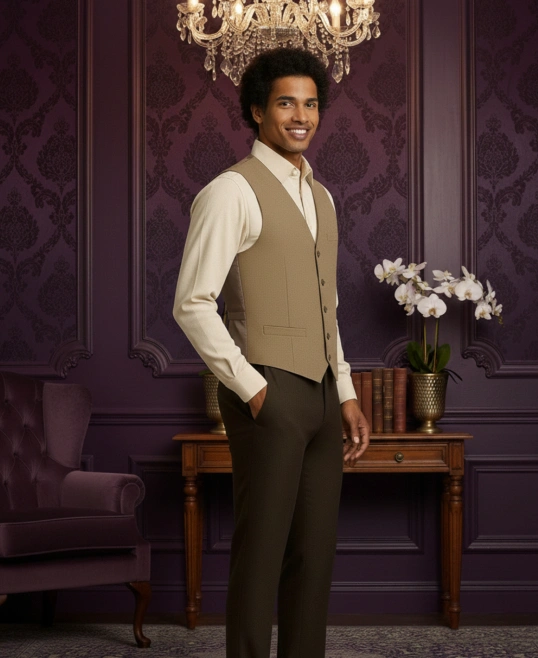
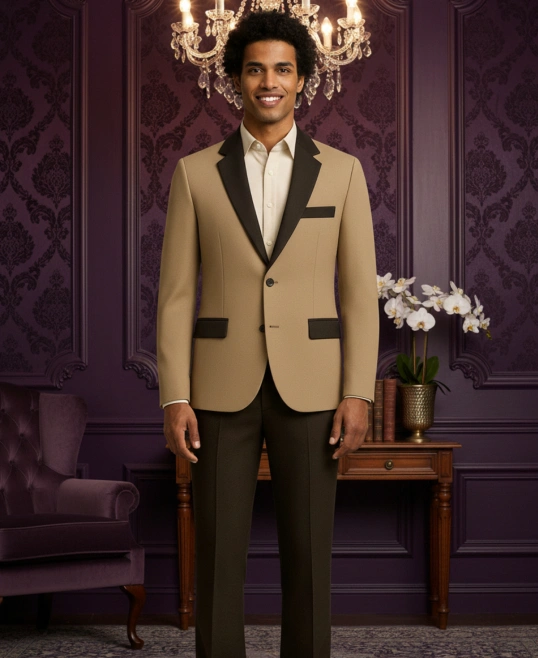
From guest-facing roles to operational teams. With breathable fabrics, refined silhouettes, and easy-care design, we ensure your team feels confident and looks the part — day in, day out

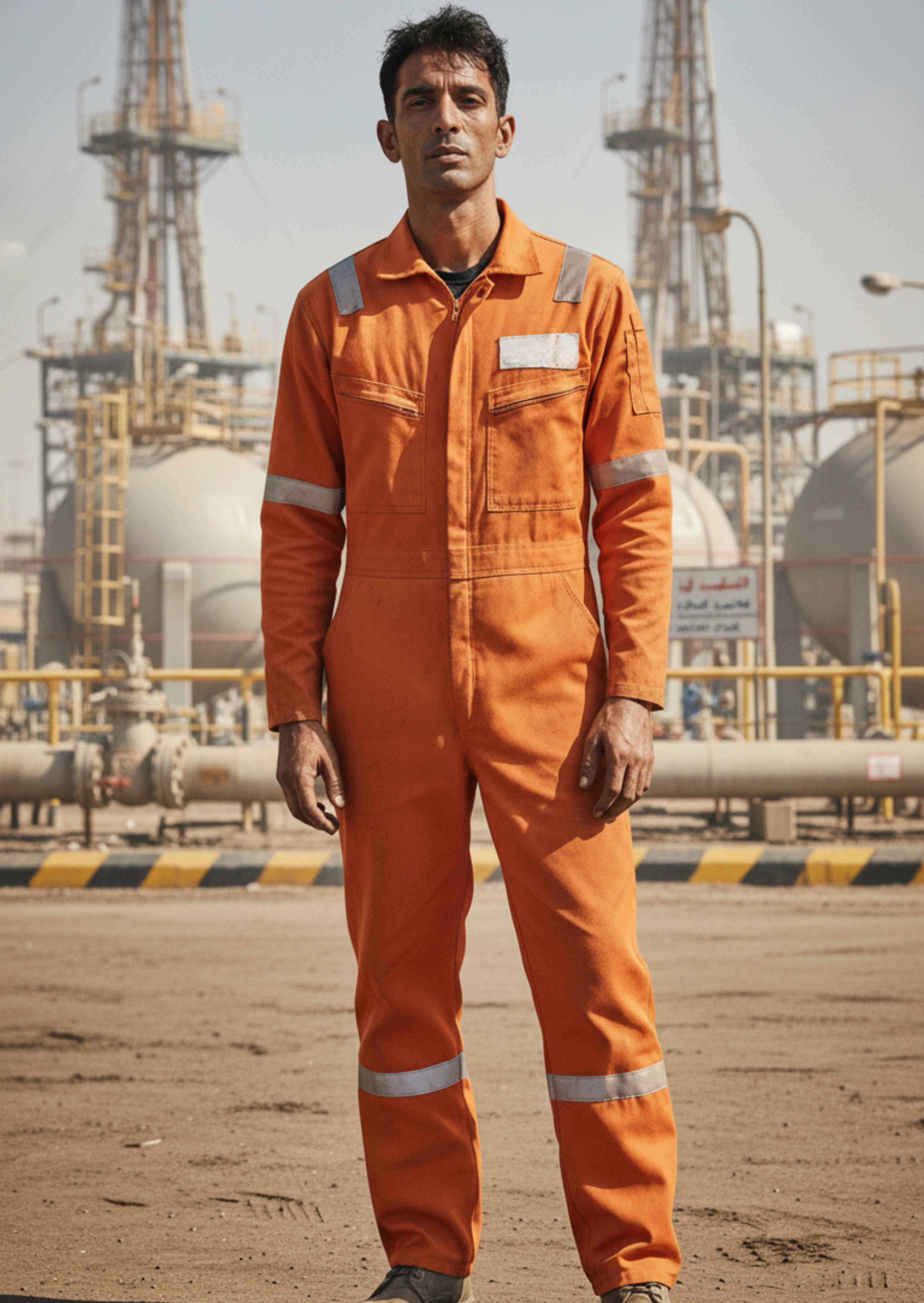
 Oil & Gas
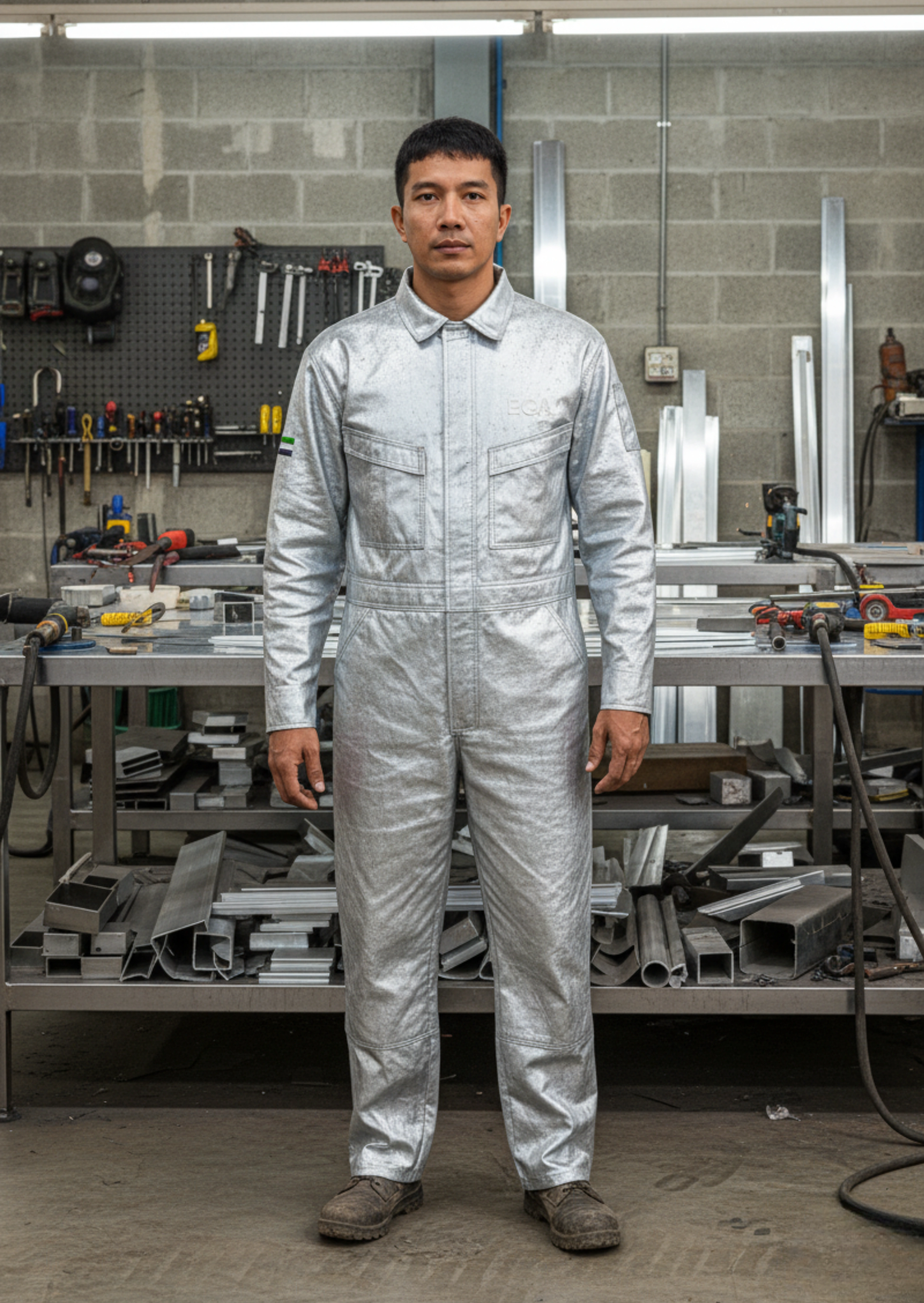
In oil and gas, failure isn’t an option. Ei delivers flame-resistant, anti-static, and durable uniforms engineered to meet strict safety regulations and harsh climate demands. Designed for long shifts, rough terrain, and critical tasks, our gear holds up where it matters most — in the field.
 Government
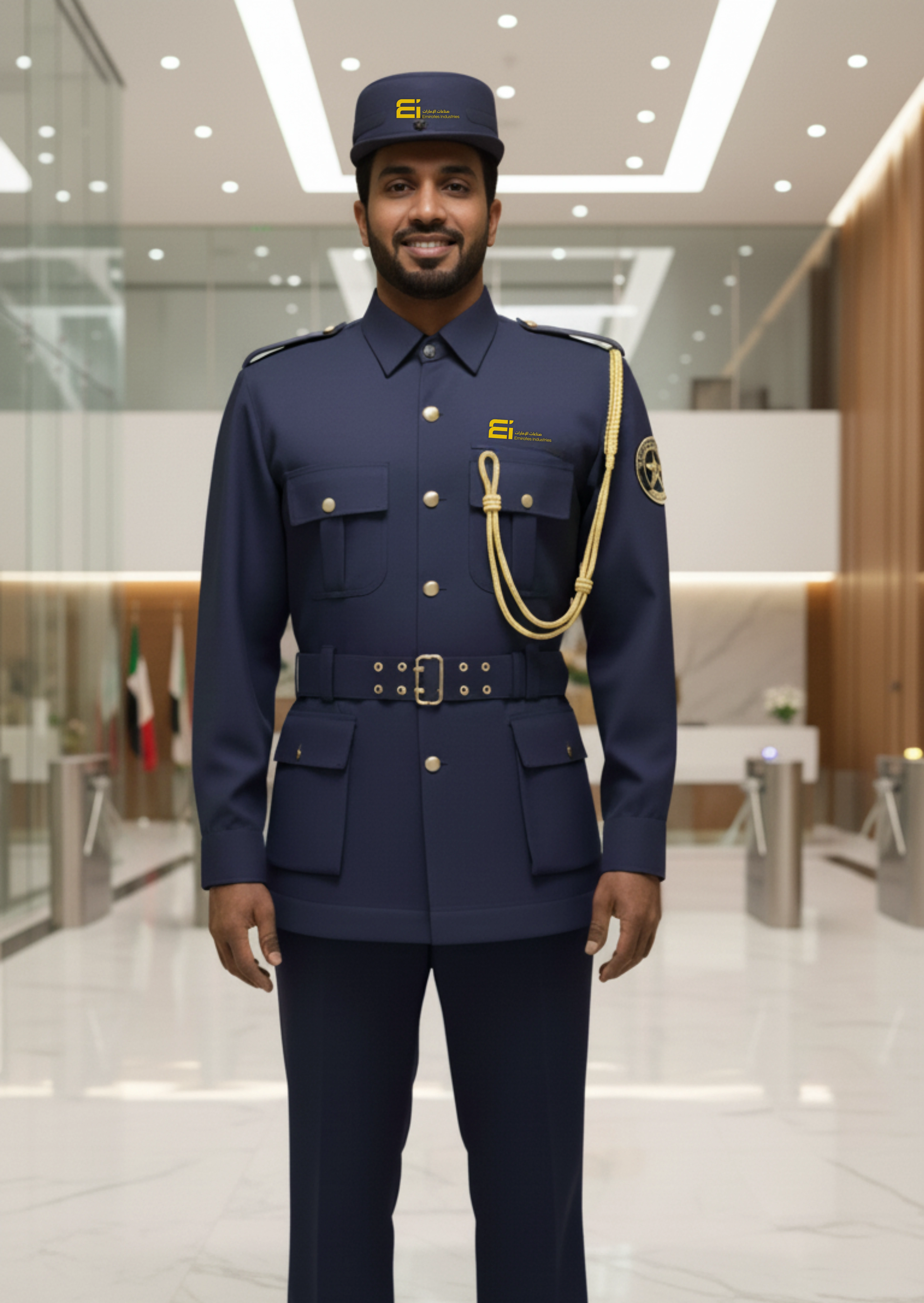
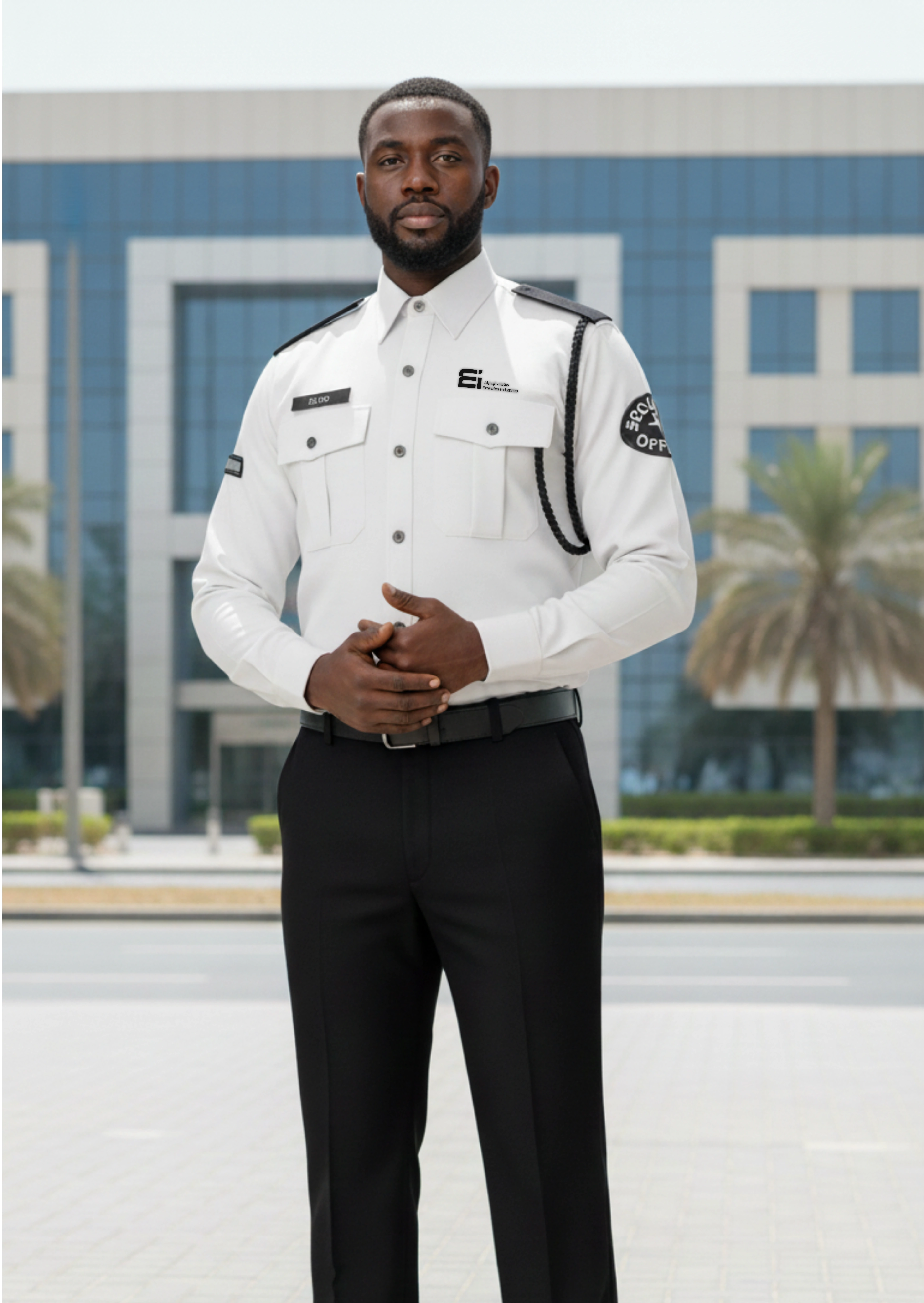
Public service uniforms carry the weight of representation. Ei creates clean, structured, regulation-compliant attire that reflects authority, reliability, and respect. We offer scalable solutions that uphold dignity in every detail.

The primary focus, supplying uniforms for students, staff, and administration.
Medical scrubs, lab coats, and PPE for hospitals and clinics