23 NOV 2026
Buying a school uniform in the correct size can save parents time, money and the trouble of arranging replacements. A uniform that is too tight may restrict movement during lessons and sports, while one that is too large can feel uncomfortable and look untidy.
Children also grow throughout the school year, so choosing a uniform involves more than matching their age to a size label. Taking accurate measurements, checking the school's uniform requirements and understanding how different garments should fit can help you make a better decision. Our school uniform buying guide also explains important factors to consider when selecting school uniforms.
This school uniform sizing guide explains how to measure your child, use a size chart and check the fit of common uniform items before purchasing.
A well-fitting uniform should allow a student to sit, walk, bend, climb stairs and participate in school activities comfortably.
Here is why the fit matters:
The aim is to find a size that fits the student now while allowing reasonable room for growth, without making the garment difficult to wear.
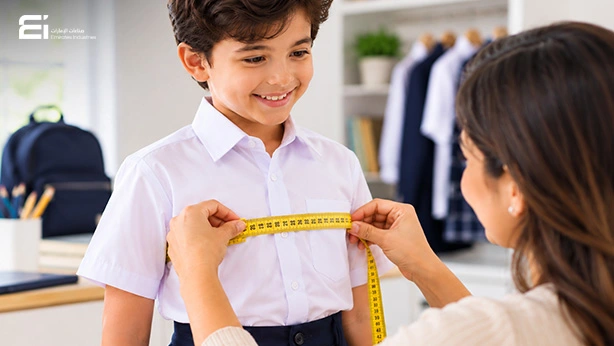
Before choosing a size, take a few basic body measurements. Use a flexible measuring tape and record each measurement in centimetres or inches, depending on the size chart.
Ask your child to stand naturally while measuring. Keep the tape close to the body without pulling it tight or leaving it excessively loose.
Wrap the measuring tape around the fullest part of the chest, keeping it level across the back.
Make sure your child is standing normally and breathing comfortably. This measurement is useful when selecting shirts, blouses, polo shirts and jackets.
Measure around the natural waist or the position where the garment's waistband is intended to sit.
Keep the tape comfortable rather than tight. For trousers and skirts, check whether the manufacturer's size chart specifies the natural waist, the waistband position or another measurement.
For trousers, skirts and other garments that fit around the hips, measure around the fullest part of the hips and seat.
Keep the tape level and ensure that it is not compressing the clothing or body.
For long-sleeved shirts and jackets, measure from the shoulder point down to the wrist, following the arm's natural position.
Compare the result with the garment's measurement instructions. Sleeve length can be measured differently by different manufacturers, so use the method specified in the relevant size chart.
For trousers, measure from the crotch down the inside of the leg to the intended trouser hem.
The required length depends on the school's uniform style and the type of footwear the student wears. Avoid choosing trousers solely by age or waist size when the leg length is also important.
For skirts and dresses, measure from the specified waistband or shoulder reference point to the intended hem.
Follow the school's dress code when deciding the required length. A garment should allow the student to sit, walk and climb stairs comfortably while meeting the school's guidelines.
Practical tip: Write down the measurements before visiting a shop or ordering online. This makes it easier to compare available sizes without relying on memory.
Once you have the measurements, compare them with the size chart supplied by the school, retailer or uniform manufacturer.
Do not assume that a particular age, such as eight or ten years, always corresponds to the same clothing size. Children of the same age can have different body measurements, and sizing varies between brands and garment styles.
Use these steps:
If a measurement falls between two sizes, do not automatically choose the larger one. Consider the garment type, the manufacturer's fit guidance and the student's need for movement.
For example, a fitted shirt and a pair of school trousers may require different considerations. The correct choice should be based on the garment's actual measurements and intended fit.
Different uniform items should fit differently. A comfortable shirt does not necessarily need the same amount of room as a pair of trousers or a sports uniform.
A school shirt or blouse should sit comfortably across the shoulders and chest.
Check that:
If the shirt pulls when the student reaches forward or raises their arms, try another size or fit.
Trousers should sit securely at the intended waist position without digging into the skin.
Check that:
Avoid choosing trousers that are excessively long simply to allow for future growth.
Skirts and pinafores should fit comfortably at the waist and allow students to sit, walk and climb stairs without restriction.
Check the waist, hip and length measurements against the approved uniform specifications. The garment should not ride up excessively or require constant adjustment during normal activities.
Sports uniforms need to allow greater freedom of movement than some everyday uniform items.
The student should be able to stretch, run, bend and participate in physical education without the fabric pulling tightly or the garment slipping out of place.
Check the school's requirements for sports shirts, shorts, trousers and other activity-specific items before selecting a size.
Jackets, sweaters, and cardigans should fit comfortably over the uniform worn underneath.
Check the shoulder width, sleeve length, body length and fastening. The student should be able to move their arms without the garment pulling tightly across the back or shoulders.
Buying a uniform slightly larger than the student's current size may seem practical, especially before a new academic year. However, choosing a size that is much too large can create problems.
Excessively long trousers may drag on the ground, oversized shirts can interfere with movement, and loose waistbands may require constant adjustment.
Instead, consider the following:
It is often more practical to choose a well-fitting garment with reasonable room for growth than to buy one several sizes too large.
Even when parents know their child's usual clothing size, a few common mistakes can lead to an unsuitable fit.
Age-based labels are only a general guide. Always compare measurements with the size chart for the specific uniform.
Thick clothing can affect the measurements. Take measurements over light clothing or follow the measuring instructions supplied by the manufacturer.
A shirt, skirt and pair of trousers can fit differently even when they carry the same size label. Check the relevant measurements for each item.
Some schools specify particular designs, garment lengths, colours, logos or styles. Confirm these details before ordering.
Size labels are not universal. When changing suppliers or buying a different uniform style, check the current size chart again.
Where possible, try the uniform on before washing it or removing its tags. Check the supplier's exchange and return conditions so you know what to do if the size is unsuitable.
A uniform that fits correctly when purchased may change slightly after washing, depending on the fabric and how it is cared for.
To help maintain its size and shape:
If you are buying several uniform items, review the fabric and care instructions before placing the order. Different materials may respond differently to washing and drying.
Use this checklist before completing your purchase.
Completing these checks can help reduce sizing errors and make uniform shopping easier for parents.
Once you know the correct measurements and the school's uniform requirements, choose a supplier that can provide the required design, size and garment specifications.
For school-specific uniforms, confirm that the supplier offers the approved uniform for your child's school. Ask for the relevant size chart if it is not available online, particularly when ordering several items or purchasing for more than one child.
Emirates Industries provides school uniform solutions for educational institutions in the UAE. Parents should confirm the available school-specific collection, sizes and ordering arrangements before purchasing.
If you are preparing for the new academic year, you can also read our guide to choosing school uniform materials to understand what to check for comfort, durability, and everyday care.
To explore available school uniform options, contact the Emirates Industries team to confirm availability and sizing assistance.
How do I know what size school uniform to buy?
Measure the student's chest, waist, hips and relevant garment lengths, then compare those measurements with the size chart for the specific uniform. Age-based labels alone are not sufficiently reliable.
Should school uniforms be loose or fitted?
School uniforms should fit comfortably without being excessively tight or loose. Students should be able to sit, walk, bend and raise their arms without restriction while meeting the school's dress-code requirements.
What should I do if my child’s measurements fall between two different sizes?
Check the manufacturer's fit guidance and determine whether the chart uses body or garment measurements. Consider the garment type and ask the supplier for advice before selecting a size.
How often should I check my child's school uniform size?
Check the fit before each new academic year and whenever the uniform begins to feel tight, becomes uncomfortable or no longer meets school requirements. Growing children may need different sizes during the year.
Can I buy a larger size so the uniform lasts longer?
Allowing some extra room for growth is sensible, but the uniform must still provide a safe and comfortable fit. Avoid excessively long trousers, loose waistbands or oversized garments that interfere with movement.
Do school uniform sizes vary between suppliers?
Yes. Sizing can differ by manufacturer, garment style and fit. Always check the current size chart when buying from a new supplier or selecting a different uniform item.
What should I do if the uniform does not fit after purchase?
Check the supplier's return or exchange policy and contact the supplier promptly. Avoid washing or altering the garment until you have confirmed whether it can be exchanged.
A suitable school uniform should be comfortable, practical and consistent with the school's requirements. Taking accurate measurements and checking the correct size chart can help parents choose uniforms that fit well without unnecessary guesswork.
Before placing an order, confirm the required garments, measurements, available sizes and exchange conditions. These simple checks can make school uniform shopping more straightforward and help students feel comfortable throughout the school day.
 Schools
A school uniform is more than a dress code, it shapes behavior, unity, and discipline. Ei delivers well-fitted, breathable, and durable uniforms for students and staff alike. Designed with identity in mind and built to withstand the energy of young learners.



 Healthcare
In healthcare, movement is constant and hygiene is non-negotiable. Ei provides uniforms that are breathable, antibacterial, made for long hours on your feet. We ensure comfort without compromise so your team can focus on what matters: care



 Hospitality
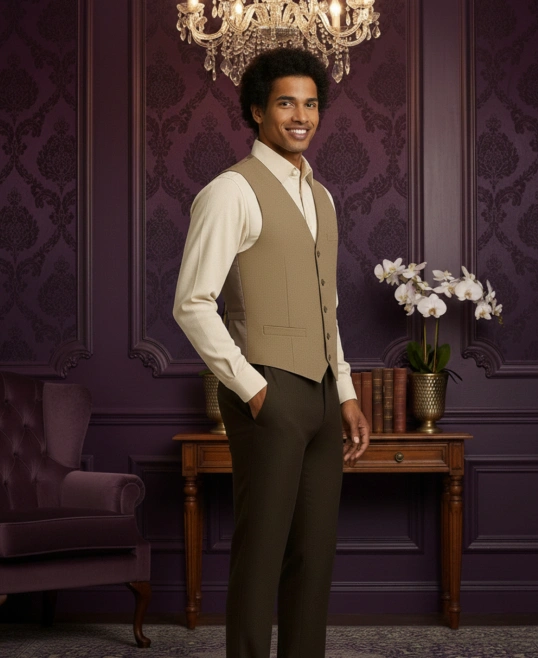
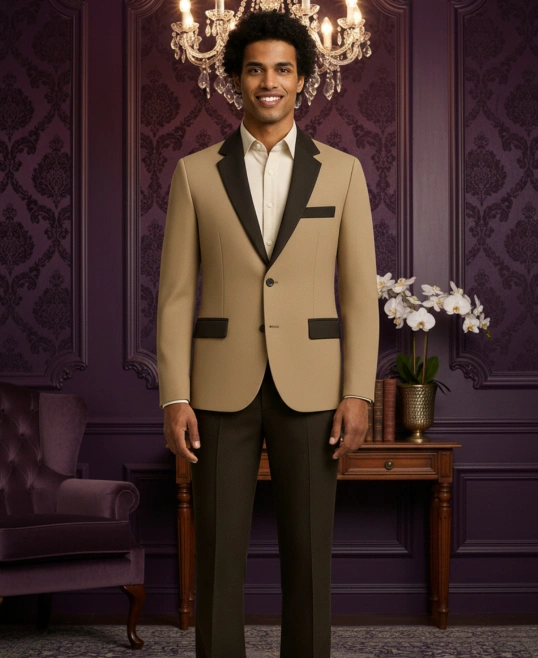
From guest-facing roles to operational teams. With breathable fabrics, refined silhouettes, and easy-care design, we ensure your team feels confident and looks the part — day in, day out

 Oil & Gas
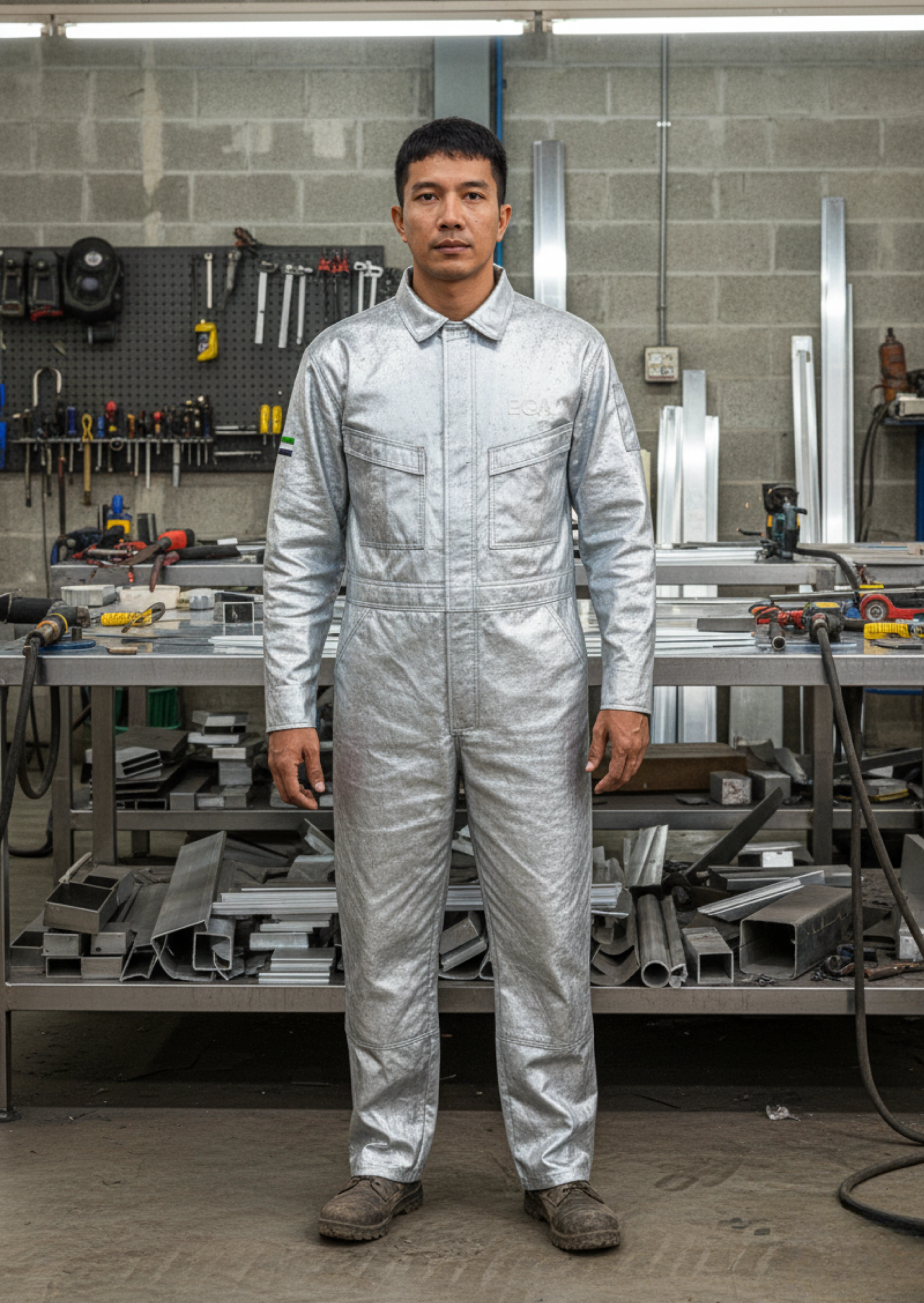
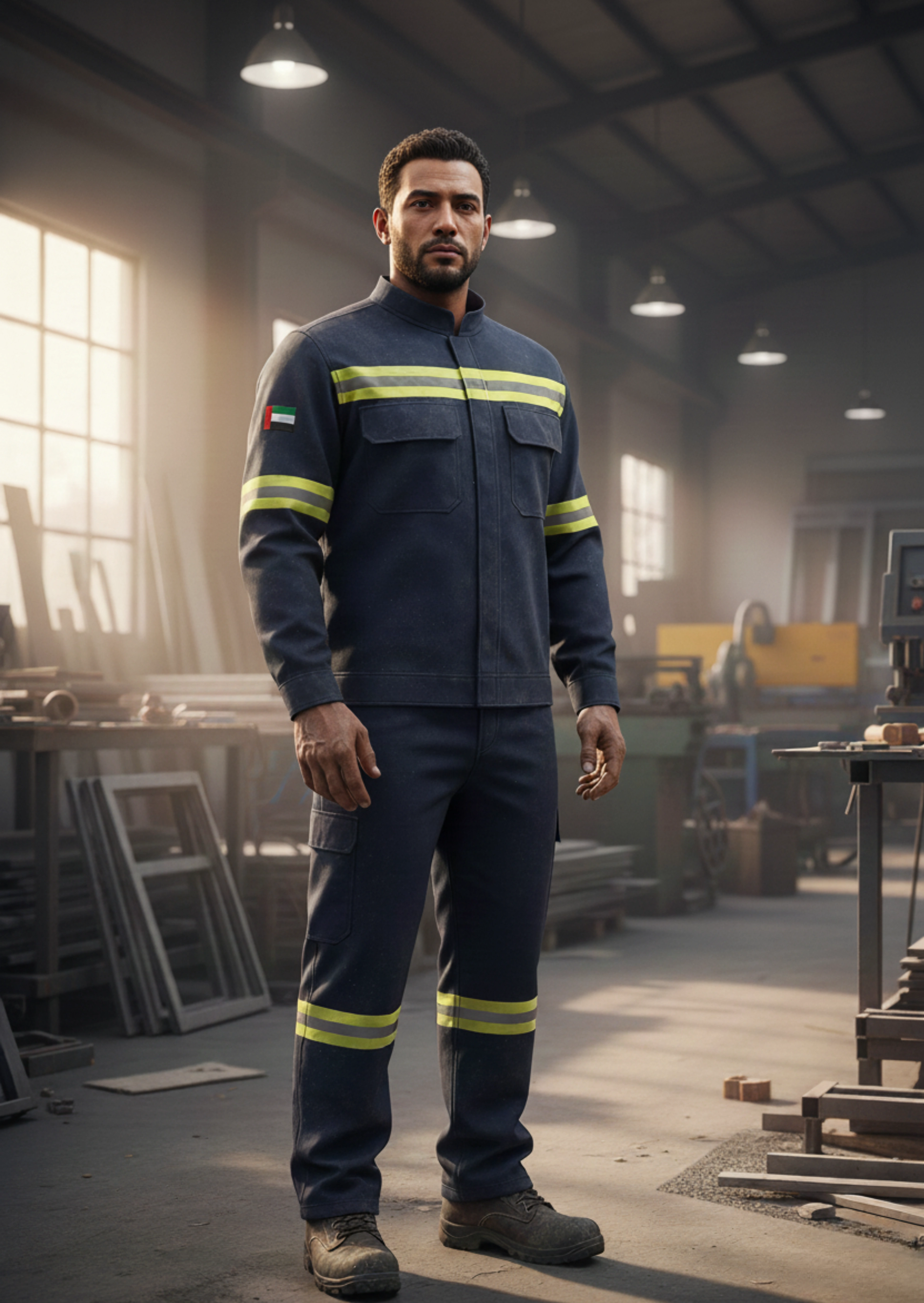
In oil and gas, failure isn’t an option. Ei delivers flame-resistant, anti-static, and durable uniforms engineered to meet strict safety regulations and harsh climate demands. Designed for long shifts, rough terrain, and critical tasks, our gear holds up where it matters most — in the field.

 Government
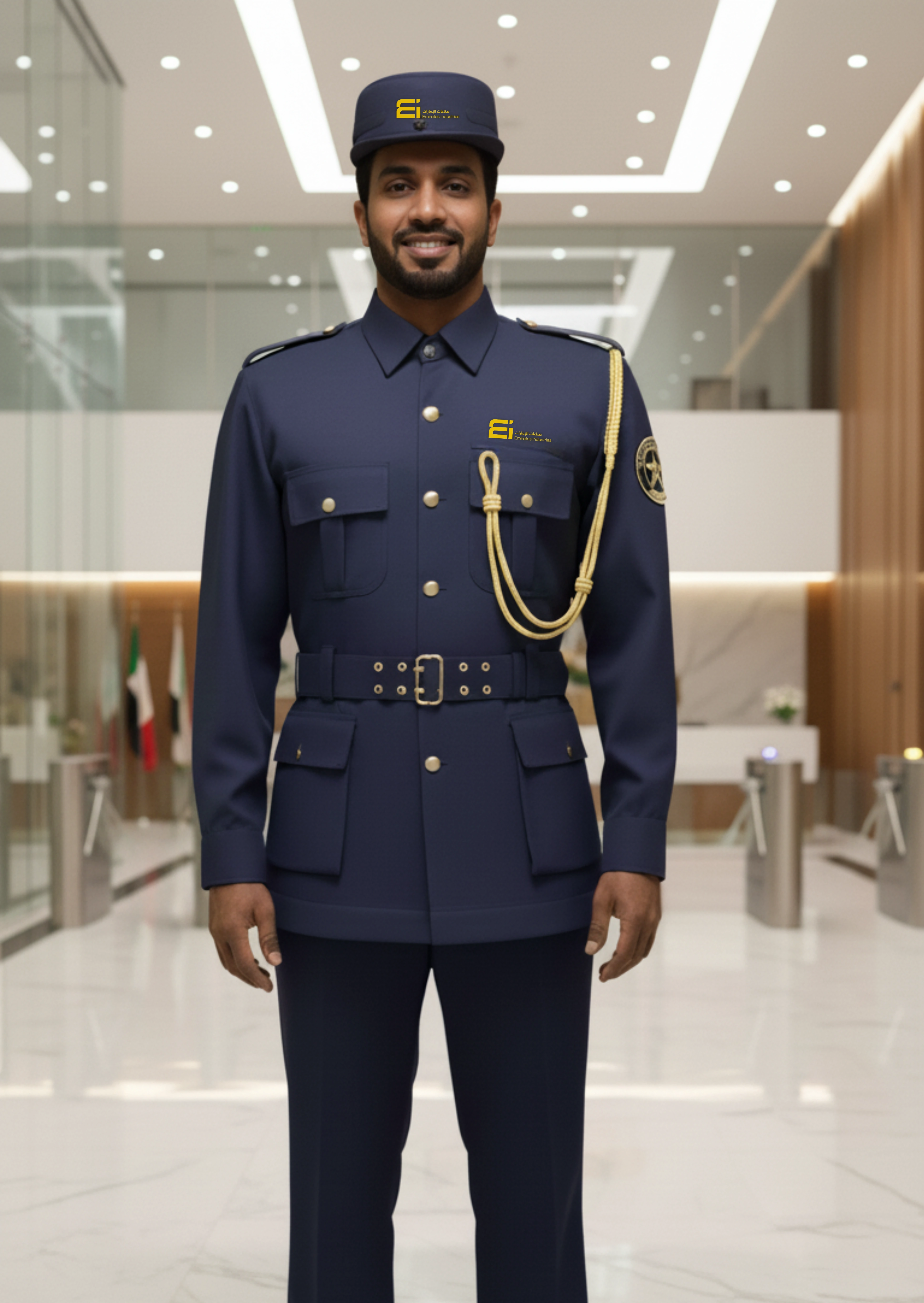
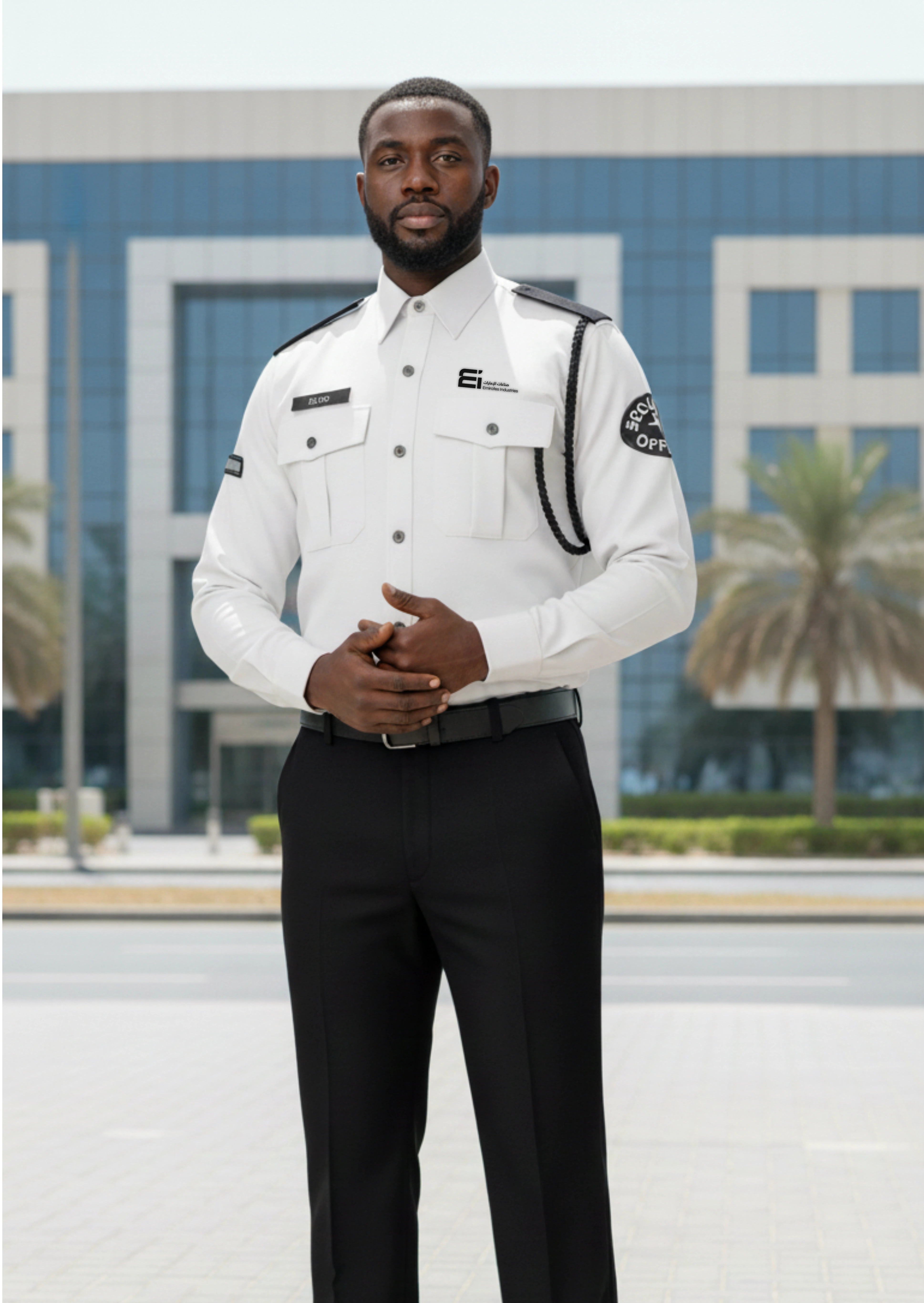
Public service uniforms carry the weight of representation. Ei creates clean, structured, regulation-compliant attire that reflects authority, reliability, and respect. We offer scalable solutions that uphold dignity in every detail.

The primary focus, supplying uniforms for students, staff, and administration.
Medical scrubs, lab coats, and PPE for hospitals and clinics